The 'Coord' platform will give mobility companies a centralized place to access and use local data on parking, curb space, tolls, and the like.



Last year we saw Sidewalk Labs, the smart cities shop run by Google's parent company Alphabet, partner with the city of Toronto to plan for a new kind of digitally integrated neighborhood. Now, the venture has launched Coord, a cloud-based platform designed to serve as an "operating system" for urban mobility services.
"[Coord] will build the cloud-based platform to integrate the many mobility services that have sprung up around the world's cities in the past few years—bike-sharing, car-sharing, and ride-hailing—plus more traditional transportation options, like public transit," writes Aarian Marshall.
Software developers at mobility companies will be able, for a price, to access reams of local data often kept in separate silos. "For now, says [CEO Stephen] Smyth, Coord is dealing in data about infrastructure, not individuals."
The platform has the potential to improve how a variety of players utilize urban data.
"A bike-sharing company using Coord, for example, could see its service offered alongside other transportation options within a navigation app like Google Maps: A user could locate a bike, evaluate its cost against competitors', and buy a ride, all without breaking out a credit card. Or a toll agency working with Coord could push out info on dynamic toll prices, so a driver knows how much her trip will cost before she leaves the house."
FULL STORY: Alphabet's Sidewalk Labs Launches a Platform for Making the City of Tomorrow


Next on the List for Data Startups: Managing Curb Space
The humble curb is getting crowded: not only with new modes of transportation, but also with a slew of new data tools aiming to keep track of it all.
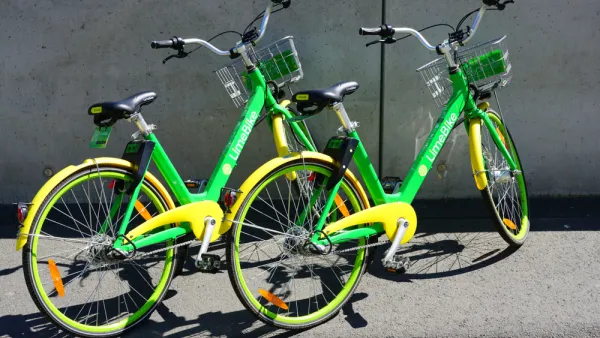
Dockless Pedal Bikeshare Loses Traction
Once a darling of investors and urbanists alike, pedal-driven dockless bikeshare is getting eclipsed by e-scooters and e-bikes.
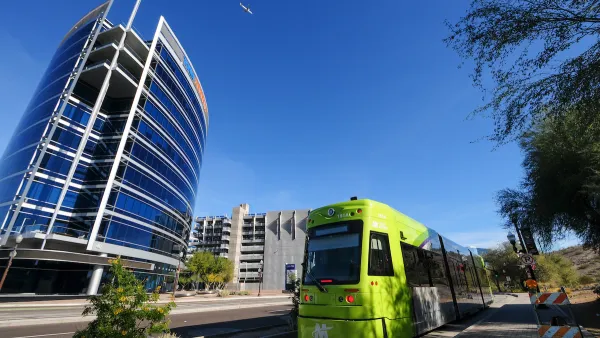
Opinion: Tempe ‘Diamond in the Rough’ for Walkability
One Arizona State University student urges peers to take advantage of the city’s growing public transit system to get to class without paying for costly parking.

Planetizen Federal Action Tracker
A weekly monitor of how Trump’s orders and actions are impacting planners and planning in America.

The state-sanctioned urbicide of Austin
People don’t kill cities. Freeways do.

US to reduce Colorado River water deliveries to Mexico
A new Colorado Treaty amendment reduces Mexico’s Colorado River water allocation by 250,000 acre feet.

Mamdani overhauls NYC's Vision Zero plan with 100 new policy goals
The overhaul aims to reduce traffic deaths and make streets safer for pedestrians, cyclists and drivers through lower speed limits, new safety infrastructure and more.

Amtrak not solely to blame for New Jersey commuter rail's unreliability, report finds
A new study from the Garden State Initiative found that NJ Transit’s budget grew 20% across a 4 year period, but reliability declined significantly over the same period.

EPA erases limits on planet-warming pollution from power plants
Under Monday’s plan, power plants would still have some limits on how much mercury, arsenic and other contaminants they can emit.

FREE Course: Walkable City 1: Why Walkability?
After describing his path towards focusing on walkability as the essence of good planning, Jeff Speck marches through his five principal reasons for making more walkable places.
Reinventing Malls: Planning Alchemy—Turning Gray Fields Into Gold
The course focuses on the opportunities and imperatives that shape reinvention of mall sites.

Eagle County Government
Harvard University Graduate School of Design
Nashville Planning Department
The Architects Foundation
University of Cincinnati Online
The Pocatello Development Authority
The Urban Renewal Agency of the City of Pocatello
Journal of the American Planning Association