Given the fact that many homeless patients end up costing the system a lot more than average, several Chicago hospitals are considering ways to house them.


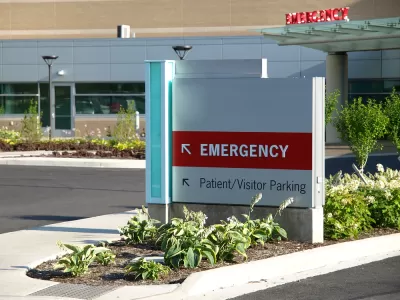
Many chronically homeless people also struggle with chronic illness. Permanent housing could reduce their costly dependence on the public medical safety net. Kristen Schorsch writes, "Research shows having a home reduces ER trips and hospitalizations as well as jail and detox time. A permanent address also boosts the rates that patients regularly see doctors who focus on prevention. Hospitals save money by not providing unnecessary care for little or no reimbursement."
Meanwhile, the University of Illinois Better Health Through Housing program has been piloting such an effort for several years. During 2015 and 2016, "The system spent about $250,000 to house 26 patients. The average monthly medical costs per person declined from about $5,900, to around $4,800 after they found housing."
Read the full story: Why more Chicago hospitals are getting into the housing business
A Place to Recover from Illness: How Medical Respite Programs Help Unhoused People Heal
For people experiencing homelessness, recuperating after a hospitalization is difficult. Medical respite programs can help. Why aren't they more common?

Omaha Homeless Services Providers Struggle to Keep Up
With the worst of winter weather ahead, shelter providers say there are not enough beds to meet the rising rate of homelessness in the city.
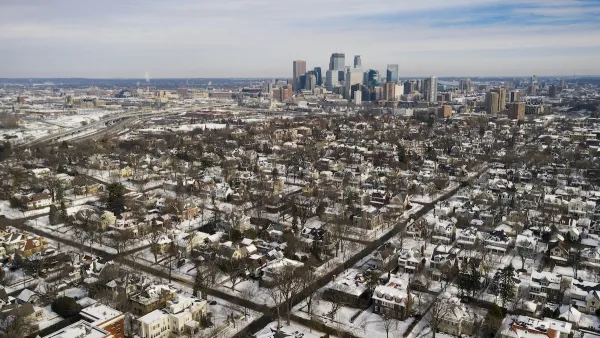
How One Minnesota County Cut Homelessness by 80 Percent
While homelessness rose in most U.S. regions, Hennepin County invested heavily in programs to end chronic homelessness and get people into temporary and supportive housing faster.

Planetizen Federal Action Tracker
A weekly monitor of how Trump’s orders and actions are impacting planners and planning in America.

California plans to bury El Niño’s downpour
If the state plays its cards right, it may be able to store a billion acre-feet of El Niño’s water in aquifers.

Desperate measures: Advocates weigh draining Lake Powell to fill Colorado River
Draining the reservoir could reduce evaporation losses by a couple hundred thousand acre-feet.

In Texas, data centers are swallowing promised parkland
Residents who moved to Taylor, Texas for a rural community now have to contend with three data centers in their backyard.

How a Chicago-sized wind farm beat the odds and powered on
The project spanned five presidential administrations and a standoff with a U.S. military base.

MTA gives itself 30 days to transform pit into basketball court
The site has been under construction since 2022; the city originally estimated it would finish the court in 2024.

FREE Course: Walkable City 1: Why Walkability?
After describing his path towards focusing on walkability as the essence of good planning, Jeff Speck marches through his five principal reasons for making more walkable places.
Reinventing Malls: Planning Alchemy—Turning Gray Fields Into Gold
The course focuses on the opportunities and imperatives that shape reinvention of mall sites.

City of Rosemead
Rutgers University, Edward J. Bloustein School of Planning and Public Policy
One Hundred Miles
Hunter College, City University of New York (CUNY)
The Architects Foundation
University of Cincinnati Online
City of Cambridge
Montrose County
The Pocatello Development Authority