Solar and wind power are cheaper than ever, but they remain variable. To make the best use of renewable resources, the electrical grid needs to network more small free-standing power sources together.


Moving away from fossil fuels means electrifying more of the things we use. But just electrifying them is not enough. To take advantage of clean energy, like solar and wind, grids need to handle variable energy supplies. That means power must come from multiple sources. Microgrids, which are small free-standing power sources provide this and, what's more, their redundancies can keep providing power in disasters.
"The highly digital modern world also demands a more reliable grid, capable of providing high-quality power to facilities like hospitals or data centers, where even brief brownouts can cost money or lives," David Roberts and Alvin Chang report for Vox. The recent hurricane season demonstrated just how deadly power outages can be.
"Most microgrids, especially in wealthier nations, are grid-connected — they are embedded inside a bigger grid, like any other utility customer," Roberts and Chang write. But, importantly, they can "island" themselves, meaning if there is some problem with the larger grid they can separate themselves from it. Roberts and Chang explain that the solution can be as simple as a hospital maintaining a generator or as sophisticated as networked renewable energy that pulls and stores power from various locations and makes adjustments on the fly in changing conditions.
Read the full story: Meet the microgrid, the technology poised to transform electricity

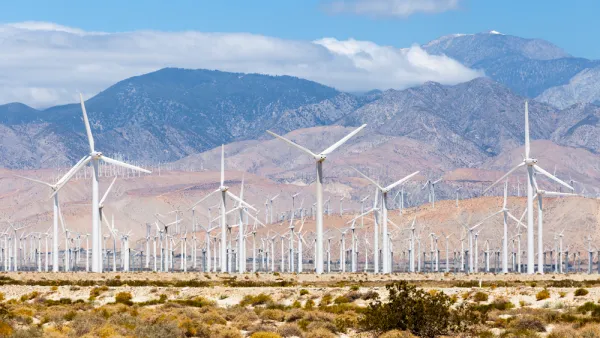
New Renewable Energy Has Yet to Displace Dirty Energy
Falling costs for renewable energy may lead some to believe that coal and other mainstays have been replaced, but they haven't. Adoption of renewables is not yet outpacing growth in demand for energy.
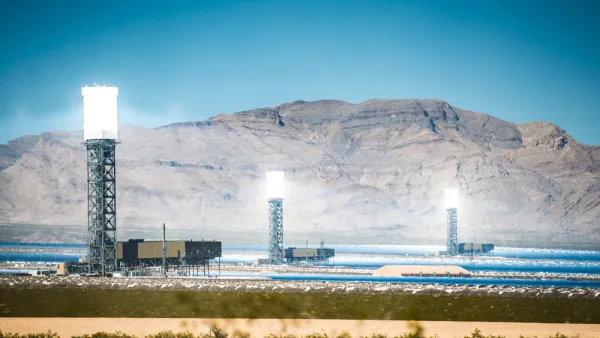
U.S. Solar Continues to Grow Despite Headwinds from Federal Government
Industry experts say that the Trump Administration has slowed and will continue to slow the expansion of U.S. solar, but expect solar to grow nevertheless.
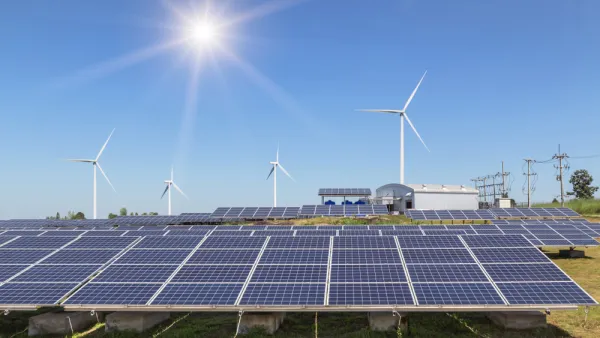
Building a Cleaner Future: Financing the Coal-to-Clean Transition
The Coal-to-Clean Initiative is an effort to fund the early retirement of coal plants in emerging markets, urging public-private collaboration to achieve a just energy transition that limits global warming and supports sustainable growth.

Planetizen Federal Action Tracker
A weekly monitor of how Trump’s orders and actions are impacting planners and planning in America.

Amtrak, CN end decades-long dispute with eight-year agreement
The new operating agreement establishes an updated framework for the companies to work together, including processes to resolve disputes.

Judges permit Denver to divert 77,000 acre feet from the Colorado River for reservoir expansion
Overuse and climate change have caused the Colorado River’s water levels to plummet.

Boston has spent millions making the Green Line more accessible — and there’s no end in sight
While the city has invested millions into expanding and adding platforms to the Green Line to make it more accessible, new train cars set to arrive next year will be too tall for disabled passengers to board without raising the current platforms.

Idaho may see an 18% drop in federal surface transit funding — the largest estimated cut in the US
Transit systems in rural communities are much more reliant on federal funding to provide their services.

How ‘post-disaster gentrification’ alters neighborhoods after natural calamities
After hurricanes, fires or other calamities, the original residents of a community are often replaced by younger, wealthier residents.

FREE Course: Walkable City 1: Why Walkability?
After describing his path towards focusing on walkability as the essence of good planning, Jeff Speck marches through his five principal reasons for making more walkable places.
Reinventing Malls: Planning Alchemy—Turning Gray Fields Into Gold
The course focuses on the opportunities and imperatives that shape reinvention of mall sites.

City of Wisconsin Rapids
Harvard University Graduate School of Design
KFH Group Inc.
The Architects Foundation
University of Cincinnati Online
The Pocatello Development Authority
The Urban Renewal Agency of the City of Pocatello