Falling costs for renewable energy may lead some to believe that coal and other mainstays have been replaced, but they haven't. Adoption of renewables is not yet outpacing growth in demand for energy.


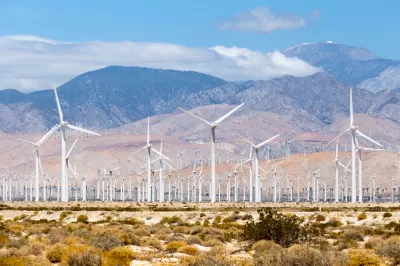
It's cheaper than ever to get energy from renewable sources and their use around the globe is trending upward. Still, they've yet to displace coal, and natural gas. While renewable use is growing so is worldwide energy consumption, so new power from solar and wind is not replacing other sources. "Since 1800 biomass consumption has increased by about 275%, and coal use by more than 60% just since 2000. Rapidly falling costs and growing investments have helped boost wind and solar power, but these energy sources — like nuclear, oil, and gas before them — are building on top of old ones, rather than replacing them.," Richard Newell reports for Axios.
Many hope the continued growth of renewables will eventually lead to their replacement, but the short-term outlook for that is not good. "New investments in fossil fuels continue to more than double those in renewables," Newell reports.
Read the full story: Despite renewables growth, there has never been an energy transition

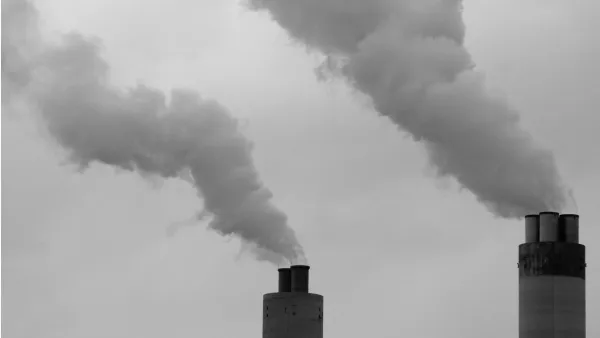
No Good News for Climate Stabilization From a New Worldwide Energy Report
Last month, the Paris-based International Energy Agency released its annual "Global Energy & CO2 Status Report." Energy consumption grew 2.3 percent with fossil fuels accounting for 70 percent on the increase. CO2 emissions jumped 1.7 percent.
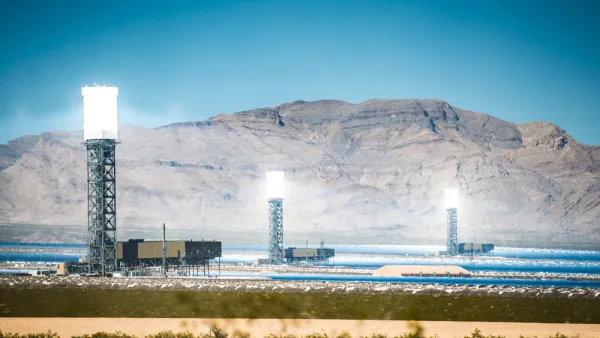
U.S. Solar Continues to Grow Despite Headwinds from Federal Government
Industry experts say that the Trump Administration has slowed and will continue to slow the expansion of U.S. solar, but expect solar to grow nevertheless.
For Stability and Sustainability, the World Needs Microgrids
Solar and wind power are cheaper than ever, but they remain variable. To make the best use of renewable resources, the electrical grid needs to network more small free-standing power sources together.

Planetizen Federal Action Tracker
A weekly monitor of how Trump’s orders and actions are impacting planners and planning in America.

The state-sanctioned urbicide of Austin
People don’t kill cities. Freeways do.

US to reduce Colorado River water deliveries to Mexico
A new Colorado Treaty amendment reduces Mexico’s Colorado River water allocation by 250,000 acre feet.

Nation's most wind-powered state turns to coal as data centers increase energy demand
For the first time in decades, Iowa has increased its generation of coal power.

NYC cools commuters with city's first rain garden above a bus stop
New York City officials say the plants in the rain garden can absorb 16 gallons of rainwater during heavy storms.

Brightline West’s future may rely on $6 billion federal loan
The company has until Nov. 2 to make a $400 million equity investment into its proposed high-speed rail line.

FREE Course: Walkable City 1: Why Walkability?
After describing his path towards focusing on walkability as the essence of good planning, Jeff Speck marches through his five principal reasons for making more walkable places.
Reinventing Malls: Planning Alchemy—Turning Gray Fields Into Gold
The course focuses on the opportunities and imperatives that shape reinvention of mall sites.

Greater Baltimore Committee
Eagle County Government
Harvard University Graduate School of Design
The Architects Foundation
University of Cincinnati Online
The Pocatello Development Authority
The Urban Renewal Agency of the City of Pocatello
Journal of the American Planning Association