The Gehl Institute, working with several public sector partners, has released an open source "Public Life Data Protocol."


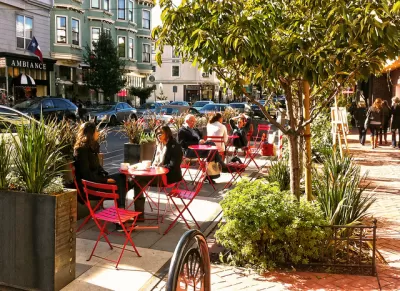
The Gehl Institute, working with the municipality of Copenhagen and the city of San Francisco has released a new Public Life Data Protocol designed to "make public life datasets more compatible, scalable, and comparable across departments, agencies, cities, and regions," according to an article on the Gehl Institute website.
"The protocol will be open for any and all to use, and will create a common language for cities to compare different spaces within their city limits, and to then compare their data with other cities," according to the Gehl Institute website. "It ensures a high level of quality and accuracy while enabling more people to collect, share, and compare their data."
In a press release [pdf] connected to the new Protocal's launch, a soundbite from Gehl Institute Executive Director Shin-pei Tsay says that engineers can no longer make the excuse of not having data about people when making decisions about the public realm.
Rachel Dovey reported on the new Public Life Data Protocol when the Gehl Institute announced a beta version in September.
Read the full story: Launching the Open Public Life Data Protocol, Version 1.0


San Francisco to Dismantle its Polarizing Brutalist Fountain
The Vaillancourt Fountain stands as a symbol of the tension between the city’s past and future.
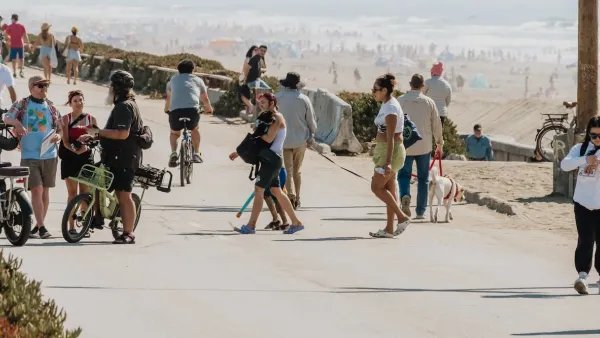
San Francisco Opens Park on Former Great Highway
The Sunset Dunes park’s grand opening attracted both fans and detractors.
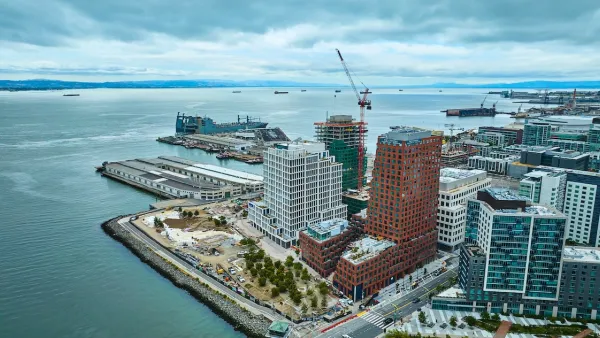
San Francisco Development Centers Pedestrians, Public Space
The Mission Rock project eliminates street parking, replacing it with public seating and landscaping.

Planetizen Federal Action Tracker
A weekly monitor of how Trump’s orders and actions are impacting planners and planning in America.

Amtrak, CN end decades-long dispute with eight-year agreement
The new operating agreement establishes an updated framework for the companies to work together, including processes to resolve disputes.

Judges permit Denver to divert 77,000 acre feet from the Colorado River for reservoir expansion
Overuse and climate change have caused the Colorado River’s water levels to plummet.

'Something we’ve never seen before:' rising utility rates could strain city finances nationwide
Data centers, climate change and other factors have caused utility rates in the United States to increase by 38% since 2020.

Trump to overrule local leaders, lease millions of acres of America’s Pacific Island territories’ seafloors to mining companies
International law says that the Indigenous people of America’s territories have a right to prior and informed consent regarding projects that impact their countries.

A ‘shady’ deal: Chicagoans rally against planned Amtrak maintenance facility
The $900 million facility would allow Amtrak to maintain entire trains in one building, which the company says will reduce delays.

FREE Course: Walkable City 1: Why Walkability?
After describing his path towards focusing on walkability as the essence of good planning, Jeff Speck marches through his five principal reasons for making more walkable places.
Reinventing Malls: Planning Alchemy—Turning Gray Fields Into Gold
The course focuses on the opportunities and imperatives that shape reinvention of mall sites.

KFH Group Inc.
Greater Baltimore Committee
Eagle County Government
The Architects Foundation
University of Cincinnati Online
The Pocatello Development Authority
The Urban Renewal Agency of the City of Pocatello