A total of $2.7 billion will be awarded to a potential list of 12 water storage projects, thanks to funding from California's Proposition 1, approved by voters in 2014.


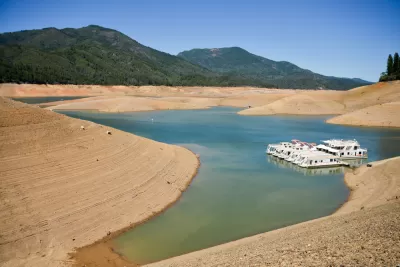
Paul Rogers reports that the state of California recently unveiled "12 huge new water projects from massive new dams in the north to expanded groundwater banks in the south — that will compete for $2.7 billion in state bond funding for new water storage projects."
"The money comes from Proposition 1, a $7.5 billion water bond overwhelmingly passed by voters in November 2014 during the depths of the state’s historic 2011-2016 drought," explains Rogers.
The projects were unveiled the day after the deadline for water agencies to submit project proposals to the California Water Commission. A decision is expected on which of the projects will receive bond funding by June 2018. Funding for all 12 of the projects, as proposed, would cost $13 billion, according to Rogers.
Rogers also includes a description of nine of the proposed projects, some of which have been around for years.
Read the full story: New dams coming to California? A dozen projects seek $2.7 billion in state funding

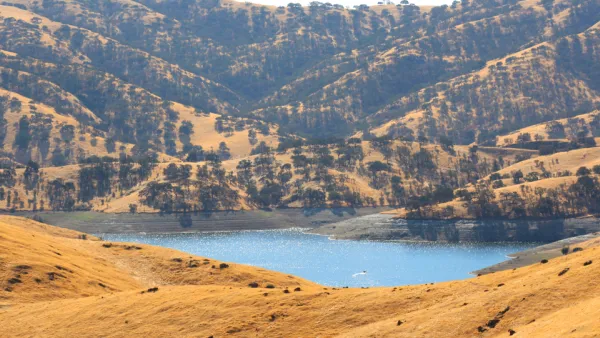
California Awards $2.7 Billion to Water Storage Facilities
The California Water Commission made an historic commitment to new water storage projects. Many of the largest projects planned in the state will require additional funding before construction can commence.
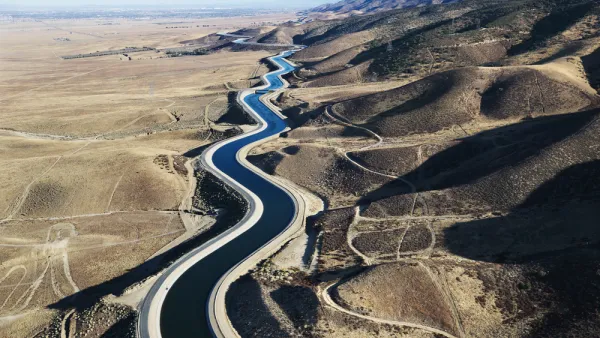
California Governor Outlines Plan for a ‘Hotter, Drier Future’
With California’s water supply expected to drop by 10 percent in the next two decades, Governor Newsom’s strategy calls for conservation and increased investment in water collection, storage, and desalination infrastructure.
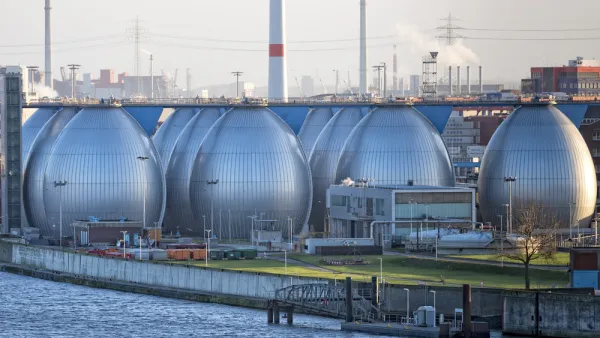
California Ballot Measure Could Streamline Permitting for Water Projects
A coalition of farmers and desalination supporters is collecting signatures for a California ballot measure that would fast-track construction processes for water storage projects.

Planetizen Federal Action Tracker
A weekly monitor of how Trump’s orders and actions are impacting planners and planning in America.

Amtrak, CN end decades-long dispute with eight-year agreement
The new operating agreement establishes an updated framework for the companies to work together, including processes to resolve disputes.

Northwest rail fans eager for Sept. 30 debut of Amtrak’s Airo fleet
Get ready for that new train smell and more seats. But they won’t go faster or run more frequently on the Cascades route in Washington and Oregon.

Brightline Florida files for bankruptcy
The transit company is over $5 billion in debt.

St. Louis Metro to test if single-car trains can reduce operating costs, maintain rider satisfaction
The pilot program will run from October to spring 2027, and begin with one single-car train operating on Metrolink’s Red and Blue lines.

Pennsylvania is building data centers in abandoned mines
Housing data centers in mines provides an alternative to destroying local forests and may spare residents from data centers’ noise and air pollution.

FREE Course: Walkable City 1: Why Walkability?
After describing his path towards focusing on walkability as the essence of good planning, Jeff Speck marches through his five principal reasons for making more walkable places.
Reinventing Malls: Planning Alchemy—Turning Gray Fields Into Gold
The course focuses on the opportunities and imperatives that shape reinvention of mall sites.

City of Thousand Oaks
City of Wisconsin Rapids
Harvard University Graduate School of Design
The Architects Foundation
University of Cincinnati Online
The Pocatello Development Authority
The Urban Renewal Agency of the City of Pocatello