Dallas has ended decades of debate about a highway project proposed to run along the Trinity River.


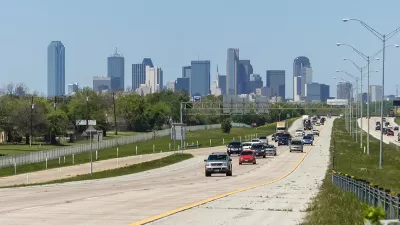
"The Trinity toll road is dead," reports Stephen Young. "After limited discussion Wednesday morning, the Dallas City Council voted 13-2 to abandon Alternative 3C, the only federally approved plan for a road between the Trinity River levees."
According to Young's coverage of the event, the final nail in the coffin of the controversial project seemed ensured last week, during a briefing on the status of the project.
In additional coverage, Robert Wilonsky provides commentary on the political will behind the decision. According to Wilonsky's take, the demise of the project could be credited to former Dallas City Councilmember Angela Hunt. Wilonsky writes:
The vote, overwhelming and unimaginable but two years ago, did not stop Hunt from tearing up, just a bit, and reveling in the moment. She had waited for this since 2007, when, as a young council member, she led the special citywide referendum to kill the road that was thwarted by road-builders, landowners, politicians and Dallas Citizens Council members who made it their life's mission to sink Hunt's efforts.
Wilonsky has been a regular reference in Planetizen's coverage of the Trinity Toll Road over the years.
Read the full story: Dallas City Council Kills the Trinity Toll Road
Critic Sees 'Dallas Logic' in Latest Trinity River Plans
Mark Lamster has eviscerated the city of Dallas for its plans to build the Trinity Toll Road before—and he'll probably do it again.
Trinity Toll Road 'Dream Team' Disappoints in Dallas
Dallas reached another milestone in its years-long battle over a proposal to build a toll road through a park along the Trinity River on the edge of downtown. The latest version of the proposal so far hasn't cleared any controversies.
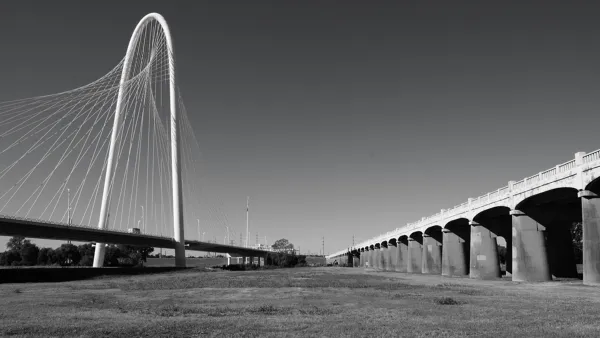
Is This the Trinity Park Plan of Dallas' Dreams?
Architecture critic Mark Lamster finally sees a proposal worth cheering for in Dallas' plans for a new park along the Trinity River.

Planetizen Federal Action Tracker
A weekly monitor of how Trump’s orders and actions are impacting planners and planning in America.

California plans to bury El Niño’s downpour
If the state plays its cards right, it may be able to store a billion acre-feet of El Niño’s water in aquifers.

Desperate measures: Advocates weigh draining Lake Powell to fill Colorado River
Draining the reservoir could reduce evaporation losses by a couple hundred thousand acre-feet.

Housing is the top priority of Seattle’s sole new councilmember
Jenks campaigned on building 1,000 new units of affordable housing.

New tax cuts may slash $1.5 billion in funding for Miami transit, public parks
Amendment 3 will save Miami-Dade homeowners $2,700 in 2028.

Arizona, Wisconsin, Pennsylvania hope to finally advance climate goals post-midterms
The three states have spent years under Republican or divided control.

FREE Course: Walkable City 1: Why Walkability?
After describing his path towards focusing on walkability as the essence of good planning, Jeff Speck marches through his five principal reasons for making more walkable places.
Reinventing Malls: Planning Alchemy—Turning Gray Fields Into Gold
The course focuses on the opportunities and imperatives that shape reinvention of mall sites.

City of Rosemead
Rutgers University, Edward J. Bloustein School of Planning and Public Policy
One Hundred Miles
University of Michigan School for Environment and Sustainability (SEAS)
Hunter College, City University of New York (CUNY)
The Architects Foundation
City of Cambridge
Montrose County
The Pocatello Development Authority