The Tax Foundation endeavors to provide a simple explanation of road funding.


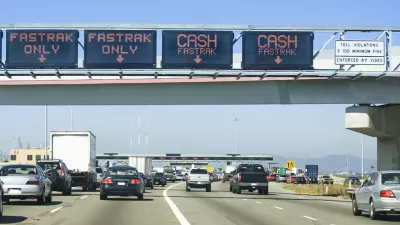
An article by Morgan Scarboro and Joseph Henchman digs into the funding mechanisms for roads in all 50 states.
Gas taxes are typically used to fund infrastructure maintenance and new projects, but the share of state and local road spending that is covered by tolls, user fees, and taxes varies drastically. It ranges from only 12 percent in Alaska to 76.3 percent in Hawaii. States like Alaska and North Dakota (funded 22.8 percent by fees and taxes) keep their transportation taxes low in the same way that they keep all taxes on state residents low, by exporting taxes (primarily through the severance tax).
The article also includes an infographic that illustrates the shortcomings of state and local tolls, user fees, and user taxes in covering the costs of state and local roads.
FULL STORY: How Are Your State’s Roads Funded?

Analysis: What does America want from surface transportation reauthorization?
Over 13,000 comments were submitted in the federal Request for Information on surface transportation reauthorization. We analyzed all of them.
Why does Maryland's gas tax change every year?
The state's annual gas tax update may still not be enough to keep up with changes in the transportation sector and rising project costs.
Five reasons infrastructure costs are spiking
State DOTs face a $86 billion shortfall over the next 10 years.

Planetizen Federal Action Tracker
A weekly monitor of how Trump’s orders and actions are impacting planners and planning in America.

The state-sanctioned urbicide of Austin
People don’t kill cities. Freeways do.

US to reduce Colorado River water deliveries to Mexico
A new Colorado Treaty amendment reduces Mexico’s Colorado River water allocation by 250,000 acre feet.

5 New England states march closer to 800 megawatt wind energy project
Securing federal approval for the project may be complicated under the Trump administration, which has historically been hostile towards domestic wind power.

Baltimore to break ground on $50 million Transit Priority Project
The project will bring faster bus trips, safer streets and better bike connections to Baltimore.

Airbnb launches $250 million 'last-dollar financing' housing accelerator, makes first investment in Austin
The company will put $6.4 million towards affordable housing development in Texas’ capital.

FREE Course: Walkable City 1: Why Walkability?
After describing his path towards focusing on walkability as the essence of good planning, Jeff Speck marches through his five principal reasons for making more walkable places.
Reinventing Malls: Planning Alchemy—Turning Gray Fields Into Gold
The course focuses on the opportunities and imperatives that shape reinvention of mall sites.

Eagle County Government
Harvard University Graduate School of Design
Nashville Planning Department
The Architects Foundation
University of Cincinnati Online
The Pocatello Development Authority
The Urban Renewal Agency of the City of Pocatello
Journal of the American Planning Association