Texas has doubled down on the Trump Administration's deportation policies, and business leaders from several sectors in the state are starting to speak up about the policy's effects on the workforce.


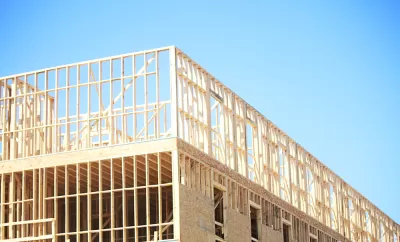
Meredith Hoffman reports for the Associated Press from Texas on the combined impact of the Trump Administration's immigration crackdown and the anti-sanctuary cities law approved by the State Legislature in May.
Hoffman includes the construction industry as one of the sectors of the economy most impacted by the changes in immigration policy. Workers have been harder to come by as illegal immigrants have fled the state in the face of stories about the federal immigration crackdown. One source in the story says Americans don't last a day doing the drywall installation he used to hire illegal immigrants to do (that statement echoes the sentiment in a satirical opinion piece recently written by Bret Stephens for The New York Times).
For the record, Hoffman explains that demographic and economic experts say it's still too early to quantify the effect of workforce shortages due to immigration fears. Anecdotal evidence, however, is not in short supply.
Read the full story: Texas companies tie worker shortages to immigration fears
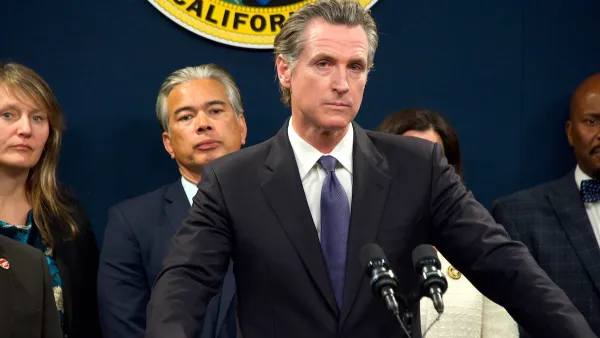
California’s ‘unrecognizable’ water plan may go down the drain
After four years of regulatory processes, water agencies say the plan to overhaul how cities and farms take water from the Sacramento-San Joaquin Delta has changed dramatically.

Trump asks Supreme Court to allow border wall through Texas national park
Judge Kathleen Cardone previously blocked the Big Bend border wall project, and Texas’ Land Commissioner has spoken out against it as well.
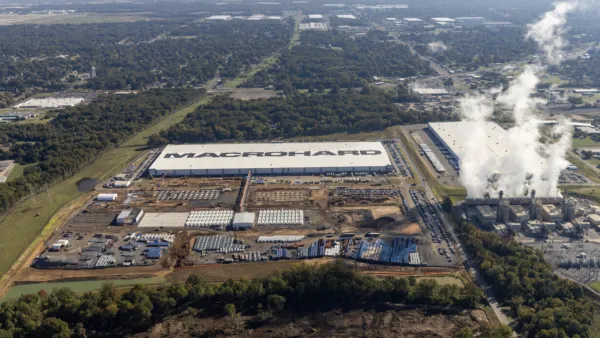
Trump does not have free reign to dismiss Clean Air Act violations, judge rules
The administration attempted to dismiss the NAACP’s lawsuit against SpaceXAI, which claims the company’s smokestacks violate the Clean Air Act.

Planetizen Federal Action Tracker
A weekly monitor of how Trump’s orders and actions are impacting planners and planning in America.

California plans to bury El Niño’s downpour
If the state plays its cards right, it may be able to store a billion acre-feet of El Niño’s water in aquifers.

Desperate measures: Advocates weigh draining Lake Powell to fill Colorado River
Draining the reservoir could reduce evaporation losses by a couple hundred thousand acre-feet.

Housing is the top priority of Seattle’s sole new councilmember
Jenks campaigned on building 1,000 new units of affordable housing.

New tax cuts may slash $1.5 billion in funding for Miami transit, public parks
Amendment 3 will save Miami-Dade homeowners $2,700 in 2028.

Arizona, Wisconsin, Pennsylvania hope to finally advance climate goals post-midterms
The three states have spent years under Republican or divided control.

FREE Course: Walkable City 1: Why Walkability?
After describing his path towards focusing on walkability as the essence of good planning, Jeff Speck marches through his five principal reasons for making more walkable places.
Reinventing Malls: Planning Alchemy—Turning Gray Fields Into Gold
The course focuses on the opportunities and imperatives that shape reinvention of mall sites.

City of Rosemead
Rutgers University, Edward J. Bloustein School of Planning and Public Policy
One Hundred Miles
University of Michigan School for Environment and Sustainability (SEAS)
Hunter College, City University of New York (CUNY)
The Architects Foundation
City of Cambridge
Montrose County
The Pocatello Development Authority