Chicago City Council is moving to close a loop hole in its gun control laws which forbid guns in bars, but do not cover party buses.


Several hundred party buses operate in the city of Chicago, and the laws regarding those buses are set to change if the city council is able to pass an ordinance they are currently considering. "The state's concealed-carry law prohibits weapons in bars, but it does not prohibit them on the buses, where alcohol can be served," Heather Cherone reports for DNA Info. With the busy season approaching for these buses, Chicago alderman are looking to add oversight to what one council member called 'rolling cemeteries.' If the ordinance were to pass, it would require buses to "hire a security guard to accompany parties and install cameras to keep watch on the revelers," Cherone writes.
Read the full story: After Party Buses Called 'Rolling Cemeteries,' Council OKs Crackdown

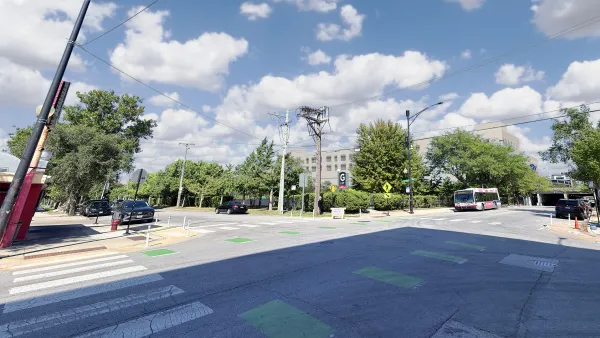
A ‘shady’ deal: Chicagoans rally against planned Amtrak maintenance facility
The $900 million facility would allow Amtrak to maintain entire trains in one building, which the company says will reduce delays.
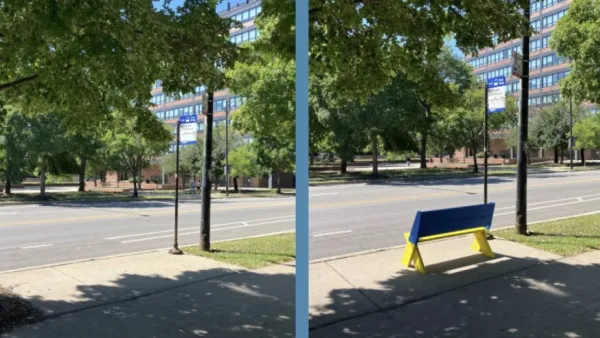
Guerilla urbanists are building DIY bus stop benches in Chicago
The new benches are not officially sanctioned or permitted, but the residents who placed them hope they will be the start of a network of DIY benches across the city.
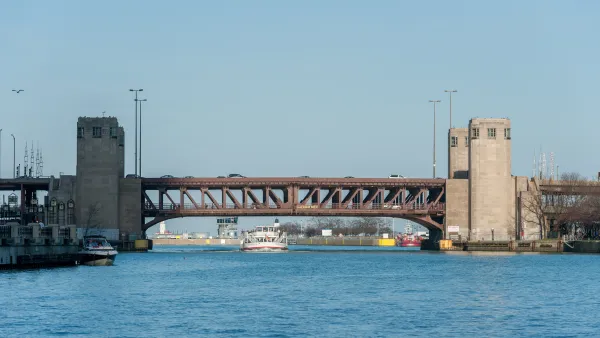
Extreme heat is paralyzing Chicago’s moveable bridges
If moveable bridges are raised during heatwaves, the metal can expand and jam the bridge's mechanisms, preventing it from lowering.

Amtrak, CN end decades-long dispute with eight-year agreement
The new operating agreement establishes an updated framework for the companies to work together, including processes to resolve disputes.

Judges permit Denver to divert 77,000 acre feet from the Colorado River for reservoir expansion
Overuse and climate change have caused the Colorado River’s water levels to plummet.
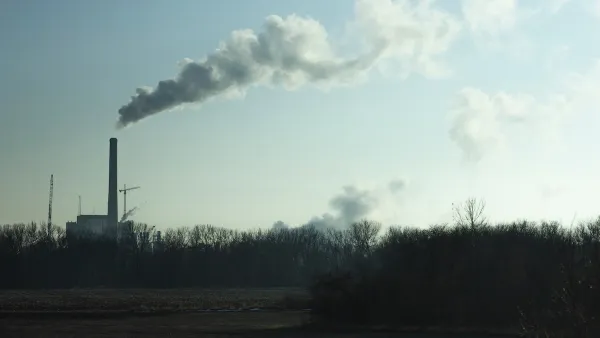
Nation's most wind-powered state turns to coal as data centers increase energy demand
For the first time in decades, Iowa has increased its generation of coal power.

Boston has spent millions making the Green Line more accessible — and there’s no end in sight
While the city has invested millions into expanding and adding platforms to the Green Line to make it more accessible, new train cars set to arrive next year will be too tall for disabled passengers to board without raising the current platforms.

Idaho may see an 18% drop in federal surface transit funding — the largest estimated cut in the US
Transit systems in rural communities are much more reliant on federal funding to provide their services.

How ‘post-disaster gentrification’ alters neighborhoods after natural calamities
After hurricanes, fires or other calamities, the original residents of a community are often replaced by younger, wealthier residents.

FREE Course: Walkable City 1: Why Walkability?
After describing his path towards focusing on walkability as the essence of good planning, Jeff Speck marches through his five principal reasons for making more walkable places.
Reinventing Malls: Planning Alchemy—Turning Gray Fields Into Gold
The course focuses on the opportunities and imperatives that shape reinvention of mall sites.

City of Wisconsin Rapids
Harvard University Graduate School of Design
KFH Group Inc.
The Architects Foundation
University of Cincinnati Online
The Pocatello Development Authority
The Urban Renewal Agency of the City of Pocatello