After hurricanes, fires or other calamities, the original residents of a community are often replaced by younger, wealthier residents.


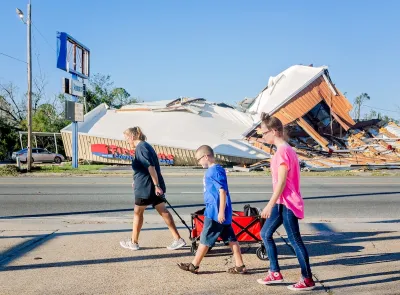
After hurricanes, fires or other natural disasters destroy a community, “post-disaster gentrification” often leaves the rebuilt neighborhoods looking far different socially and economically than they did pre-calamity. The high costs of rebuilding homes and purchasing expensive homeowners insurance often pushes out the original working-class or middle-class residents, who are replaced by younger, wealthier residents. Inside Climate News reports:
In the early 2020s, U.S. Census Bureau surveys identified who was least likely to return to a community following a natural disaster. Black and Latino households were more likely never to return compared to white households. Renters, the poorest households and people who didn’t finish high school were less likely to return than households in higher income and educational brackets. People with disabilities and members of the LGBTQ community also were more likely never to return, according to the bureau’s Household Pulse Survey.
After a disaster, local officials often look to rebuild neighborhoods under stricter codes so that new homes can weather future extreme weather events, but this strategy often “conflicts with the need to find housing for displaced residents,” Mike Schneider writes for Inside Climate News.
Read the full story: ‘Post-Disaster Gentrification’ Proliferates in Florida Towns as Costs Soar Following Hurricanes

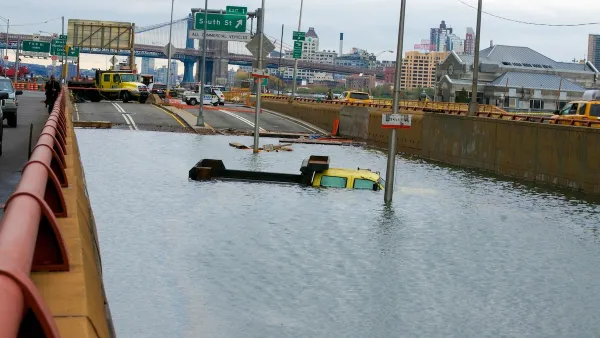
Over a Quarter of US Homes Face ‘Severe or Extreme’ Climate Risk
The number of U.S. homes at risk from hurricanes, fires, or flooding is valued at close to $13 trillion.
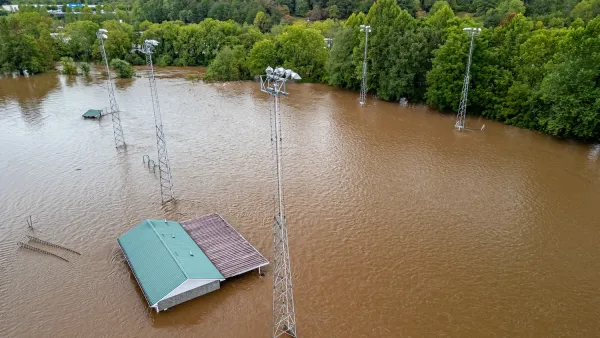
‘Quality Work, Fast’: NC Gears up for Homebuilding After Helene, Trying to Avoid Past Pitfalls
The state will field bids to demolish, repair and rebuild homes in the mountains. After struggles in eastern NC, officials aim to chart a different course.
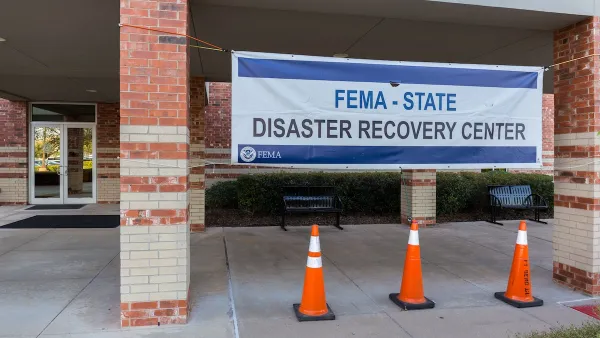
Proposed Bill Would Expand Federal Disaster Relief
The legislation acknowledges the impact of cumulative damage and expands access to funds for communities adjacent to storm-hit states.

Planetizen Federal Action Tracker
A weekly monitor of how Trump’s orders and actions are impacting planners and planning in America.

Amtrak, CN end decades-long dispute with eight-year agreement
The new operating agreement establishes an updated framework for the companies to work together, including processes to resolve disputes.

Judges permit Denver to divert 77,000 acre feet from the Colorado River for reservoir expansion
Overuse and climate change have caused the Colorado River’s water levels to plummet.

Maryland local governments examine if they should have more power to raise property taxes
Maryland’s housing market is out of reach for the majority of moderate-income residents.

Northwest rail fans eager for Sept. 30 debut of Amtrak’s Airo fleet
Get ready for that new train smell and more seats. But they won’t go faster or run more frequently on the Cascades route in Washington and Oregon.

NYC DOT wants faster, more permanent street upgrades
The city is examining ways to build more concrete infrastructure without getting entangled in 'decades-long' projects.

FREE Course: Walkable City 1: Why Walkability?
After describing his path towards focusing on walkability as the essence of good planning, Jeff Speck marches through his five principal reasons for making more walkable places.
Reinventing Malls: Planning Alchemy—Turning Gray Fields Into Gold
The course focuses on the opportunities and imperatives that shape reinvention of mall sites.

Harvard University Graduate School of Design
KFH Group Inc.
Greater Baltimore Committee
The Architects Foundation
University of Cincinnati Online
The Pocatello Development Authority
The Urban Renewal Agency of the City of Pocatello