Natural Disasters
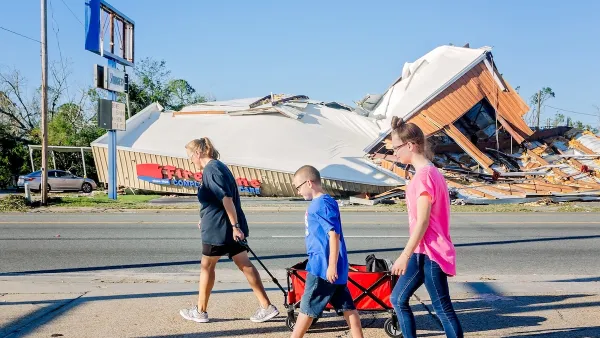
How ‘post-disaster gentrification’ alters neighborhoods after natural calamities
After hurricanes, fires or other calamities, the original residents of a community are often replaced by younger, wealthier residents.
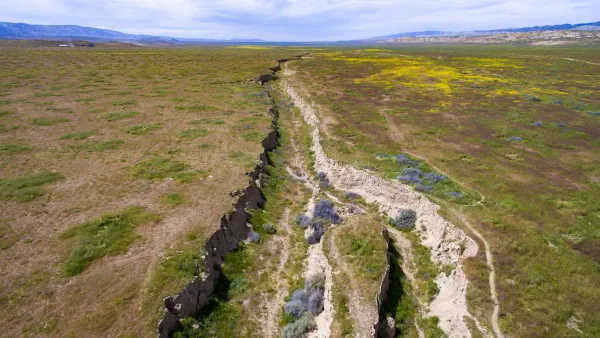
San Andreas fault at highest stress level in a millennium
A new study shows that the West Coast's major fault system is in 'a critically loaded state.'
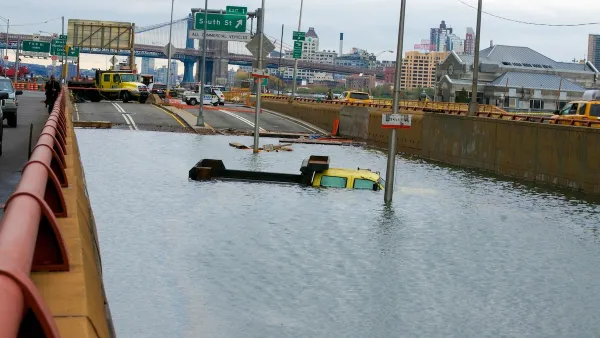
Over a Quarter of US Homes Face ‘Severe or Extreme’ Climate Risk
The number of U.S. homes at risk from hurricanes, fires, or flooding is valued at close to $13 trillion.
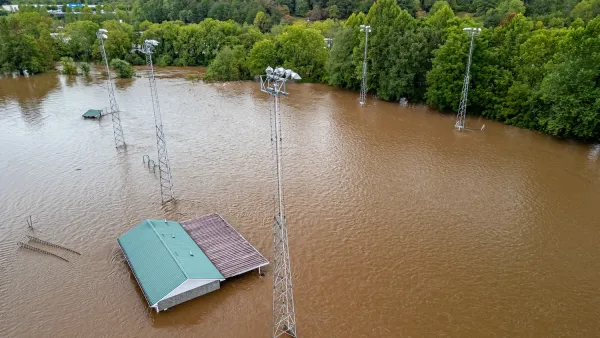
‘Quality Work, Fast’: NC Gears up for Homebuilding After Helene, Trying to Avoid Past Pitfalls
The state will field bids to demolish, repair and rebuild homes in the mountains. After struggles in eastern NC, officials aim to chart a different course.

Rebuilding After Disaster: The Role of Social Connections in Resilience
Dr. Lucy Jones emphasizes that resilience in the face of climate-driven disasters like wildfires relies on building strong social connections, which empower communities to recover and adapt to an increasingly challenging future.
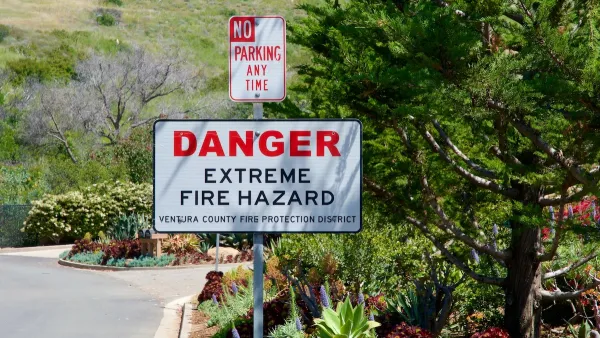
Rising Temperatures and the Escalating Wildfire Crisis
Rising global temperatures driven by climate change are intensifying and prolonging wildfire seasons worldwide, necessitating improved forest management, public awareness, and urgent action to reduce fossil fuel emissions.
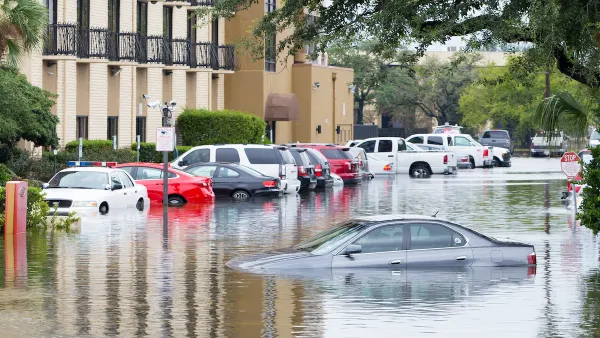
Migration to Disaster-Prone Areas Persists
Regions at high risk for flooding, wildfires, and other climate-fueled disasters continue to see rapid population growth.
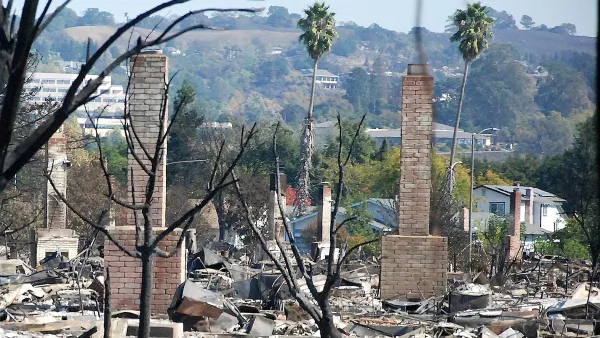
Sonoma County Bans Evictions During Disaster Recovery
Low-income renters face an increased risk of eviction after a natural disaster. Most cities and states don’t offer any protection.
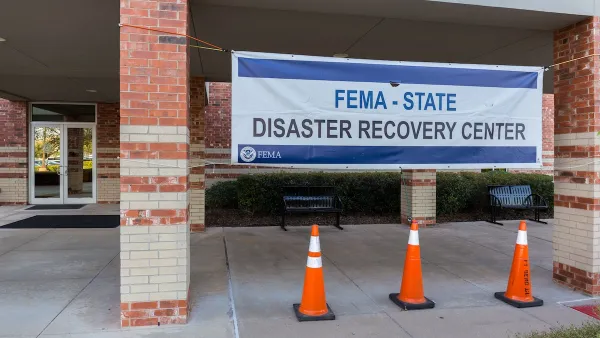
Proposed Bill Would Expand Federal Disaster Relief
The legislation acknowledges the impact of cumulative damage and expands access to funds for communities adjacent to storm-hit states.
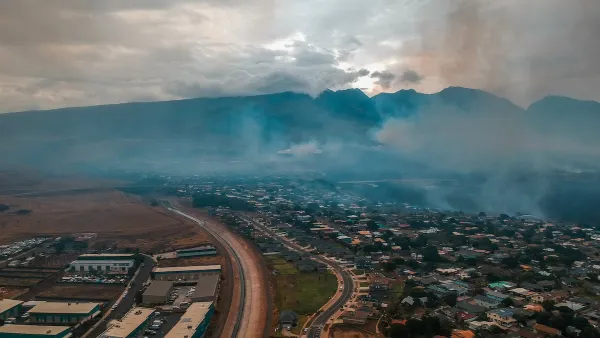
University of Hawaiʻi Researchers Assess Impacts of Maui Fires and Support Recovery
One year after the devastating Maui wildfires, UH researchers are addressing the disaster's impacts through studies on health, environmental contamination, disaster preparedness, and housing, aiming to support recovery and improve resilience.
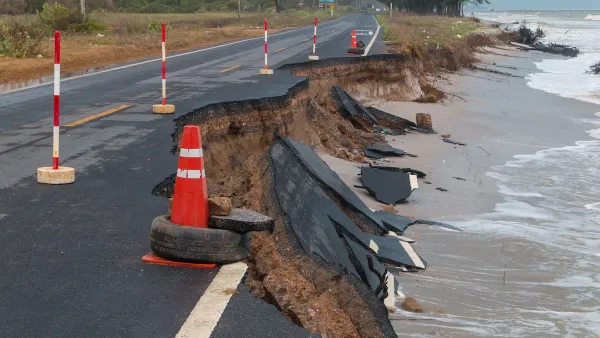
We Must Relocate to Prepare for Climate Change, and We Must Do it Now
As flooding, sea level rise, fires, and other climate impacts increase, we’ll need to move about 20 million Americans by 2100. Here’s how we can rethink managed retreat to get ahead of the rising tides.
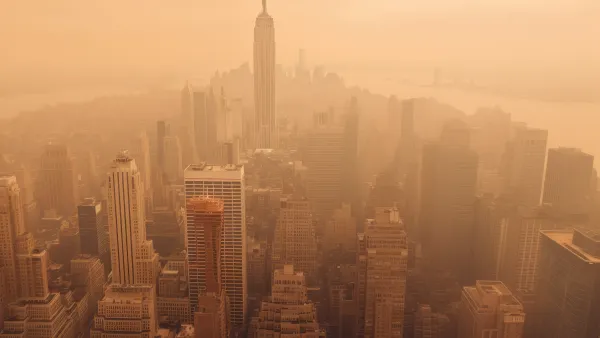
State AGs Call for FEMA to Classify Extreme Heat, Smoke as ‘Major Disasters’
State and local officials say explicitly naming heat and wildfire smoke would give local agencies more certainty in developing their mitigation strategies.
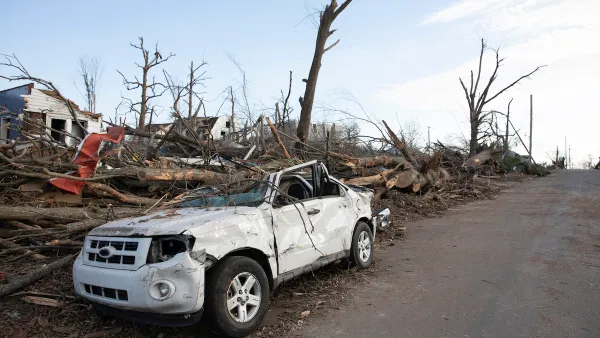
The Growing Role of Federal Government in Disaster Relief
As flooding, fires, and other disasters become more destructive, an effective response requires more resources than local governments can offer.
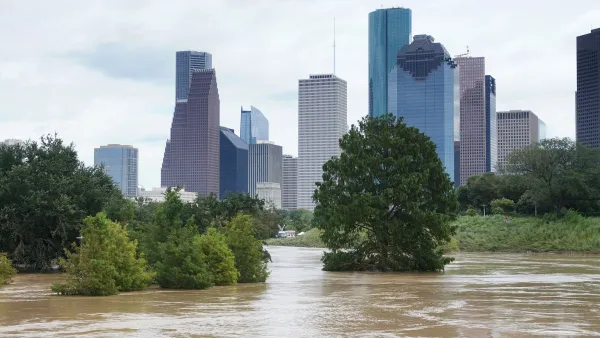
FEMA Reforms Disaster Assistance Rules
The changes make it easier for households facing evacuation to access relocation funds.
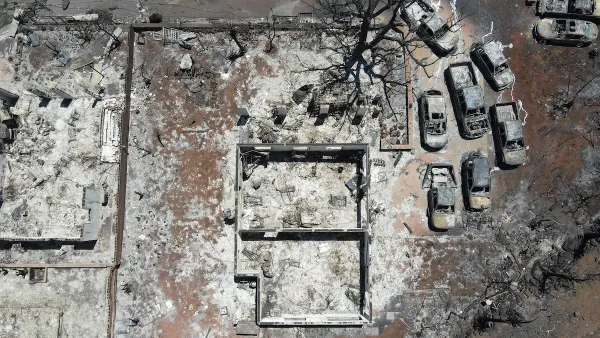
Displacement Fears in Lahaina
Economists warn that reconstruction could put new housing out of reach for long-time residents.
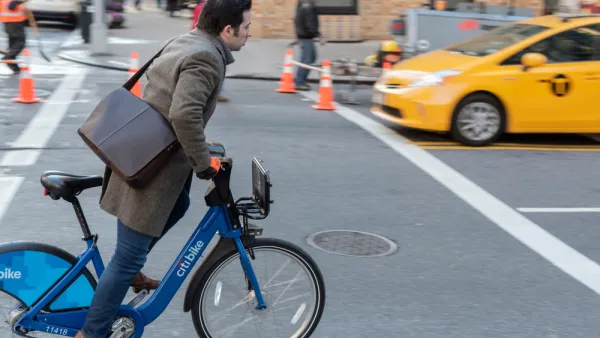
The Resilience of Bikeshare
The inherent simplicity of bikes makes shared mobility systems a crucial transportation option during natural disasters.
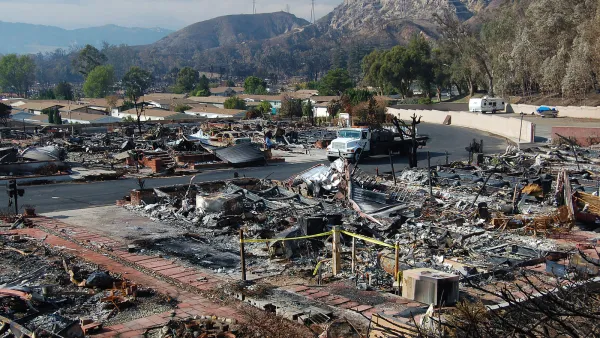
Rental Housing at Risk From Environmental Hazards
From wildfires to hurricanes, environmental risks pose a threat to around 40 percent of U.S. rental units.
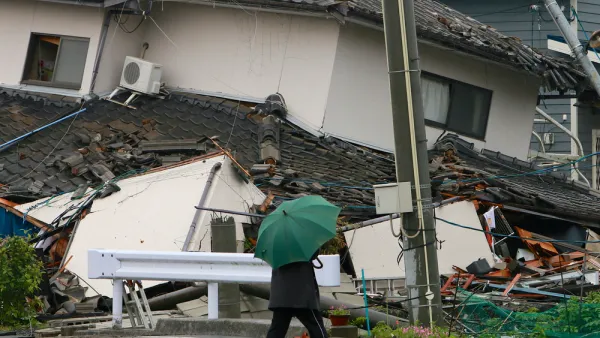
Protecting Affordable Housing After Natural Disasters
Research shows that low-income communities suffer most and take the longest to recover from disasters, which can often wipe out affordable housing stock and displace vulnerable households.
U.S. Communities Increasingly at Risk of Extreme Weather Events
As development pushes into more wildfire-prone areas and climate change makes extreme weather conditions more common, more Americans are experiencing the destructive impacts of climate disasters.
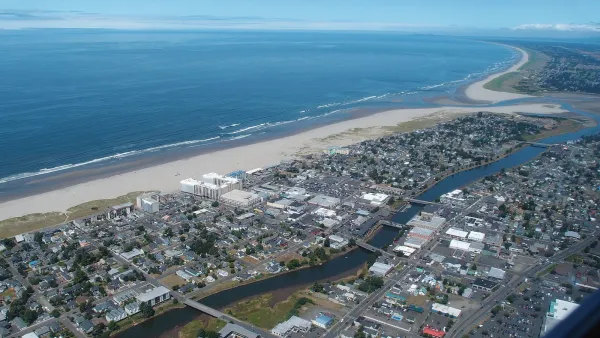
State Study Calls For Tsunami Evacuation Structures In Coastal Communities
A Washington state study recommends the construction of dozens of tsunami evacuation facilities along the Pacific Northwest coast.

FREE Course: Walkable City 1: Why Walkability?
After describing his path towards focusing on walkability as the essence of good planning, Jeff Speck marches through his five principal reasons for making more walkable places.
Reinventing Malls: Planning Alchemy—Turning Gray Fields Into Gold
The course focuses on the opportunities and imperatives that shape reinvention of mall sites.

City of Thousand Oaks
City of Wisconsin Rapids
Harvard University Graduate School of Design
The Architects Foundation
University of Cincinnati Online
The Pocatello Development Authority
The Urban Renewal Agency of the City of Pocatello