The American Rivers advocacy group has released its annual report on the country's most endangered rivers, paying special attention to the threats posed to the country's waterways in new federal policies and budget plans.


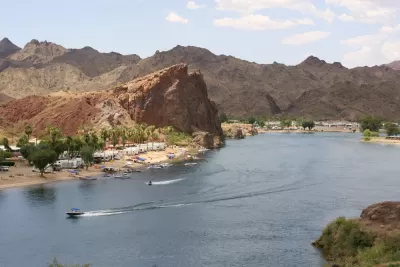
"This is a critical year for rivers and clean water. Our America’s Most Endangered Rivers® of 2017 report sounds the alarm," writes Amy Souers Kober to introduce the latest release of the "Most Endangered Rivers" report, created by Washington, D.C.-based American Rivers.
Topping the list is the Lower Colorado River, which provides drinking water to 30 million Americans. But much of the focus of the post is on the threats posed to all of the country's rivers, as represented by the executive orders, budget blueprint, and campaign promises of the Trump Administration.
Souers Kober (who serves as the national communications director for American Rivers) writes:
President Trump has abandoned critical river protections including the Clean Water Rule, leaving small streams and wetlands – sources of drinking water for one in three Americans – vulnerable to harmful development and pollution.
He has also proposed significant budget cuts that would cripple river restoration and protection efforts nationwide, with severe impacts to drinking water supplies, fish and wildlife and recreation.
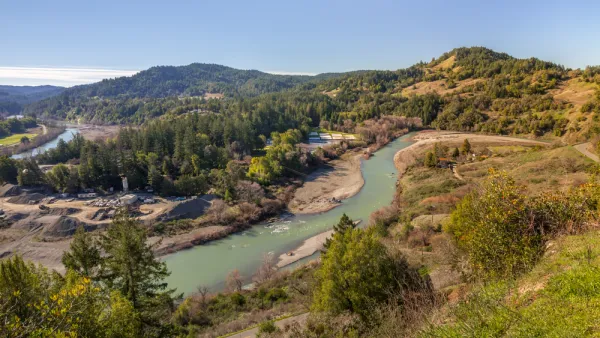
Alexandra E. Petri followed up on the news of the report's release with a post for National Geographic explaining the environmental concerns and policy changes that contributed to this year's report. Daniel Jack Chasan provides local coverage of the South Fork Skykomish River in Washington, which made the list five years ago and again this year. Planetizen most recently covered the 2015 list, when a different section of the Colorado River topped the list.
Read the full story: ANNOUNCING AMERICA’S MOST ENDANGERED RIVERS® OF 2017
'Most Endangered River' in the United States: the Colorado River in the Grand Canyon
American Rivers' list of the "Most Endangered" U.S. rivers provides an annual reminder of the abuse waterways bear in the name of the country's economy and culture.
America's Most Endangered Waterways
In time for Earth Day, American Rivers has released its annual list of the country's most threatened rivers. Topping this year's list is the Colorado River, a waterway so dammed, diverted and over-tapped that it ultimately "dries to a trickle."
The Nation’s Most Endangered Rivers
An annual list from American Rivers highlights the waterways most at risk from climate change, poor water management, pollution, and other dangers.

Planetizen Federal Action Tracker
A weekly monitor of how Trump’s orders and actions are impacting planners and planning in America.

Washington state to charge fee to drivers with fuel-efficient cars
Revenue from the fee will go towards supporting the state’s highways.

Illinois considers spending $1 billion in taxpayer money on data center
A quantum computing campus and data center are currently under construction in Chicago.

Did data centers change how voters cast their ballots?
Texas, Ohio, and Georgia all flipped party control. But in rural counties, the effect of local data centers was mixed.

Amtrak invests in eight new Airo trainsets
The new trainsets will begin serving passengers in 2031.

HUD to end aid for mixed-immigration-status households
The new rule is projected to impact 80,000 people, nearly half of whom are children.

FREE Course: Walkable City 1: Why Walkability?
After describing his path towards focusing on walkability as the essence of good planning, Jeff Speck marches through his five principal reasons for making more walkable places.
Reinventing Malls: Planning Alchemy—Turning Gray Fields Into Gold
The course focuses on the opportunities and imperatives that shape reinvention of mall sites.

City of Charlotte
City of Rosemead
Rutgers University, Edward J. Bloustein School of Planning and Public Policy
University of Michigan School for Environment and Sustainability (SEAS)
Hunter College, City University of New York (CUNY)
The Architects Foundation
University District Partnership