The Mercury News issues a pointed critique of the public relations efforts at the California Department of Water Resources in the shadow of this winter’s Oroville Dam crisis.



The Mercury News editorial board raises a concern about transparency on the issue of how much it will cost to repair the damage at Oroville Dam by winter flooding.
It is a simple question really: How much is the massive repair project below Lake Oroville costing each day. Simple or not, it has been appallingly difficult to get it answered.
The editorial board claims its newspaper has been asking "for weeks" of the Department of Water Resources about cost estimates. "The answers are never immediate and when they have come they are often incomplete or clearly wrong," according to the editorial.
The editorial includes more detail about what's known so far about the costs of the project, and the agencies and levels of government that will have a political process to sort out the expenses for repair work. "That’s why we deserve transparency and honesty, not gymnastic efforts to avoid delivering the bad news," concludes the editorial.
Read the full story: Editorial: Taxpayers deserve transparency on Oroville expenses

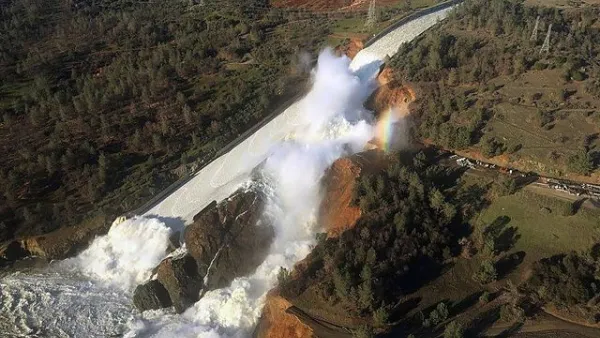
Rebuilt Oroville Spillway Could Get its First Test This Weekend
The quickly repaired Oroville Dam spillway is hoping for better performance this year, after a year of intense repair work.
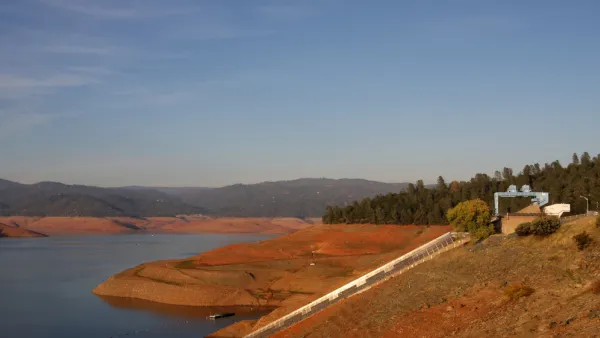
Lessons from Oroville: Resilience for Scarcity and Abundance
Swings in weather-related fortunes will continue to push to unprecedented extremes, in California, in Texas, in Boston, in Long Island, in Louisiana, and everywhere else.
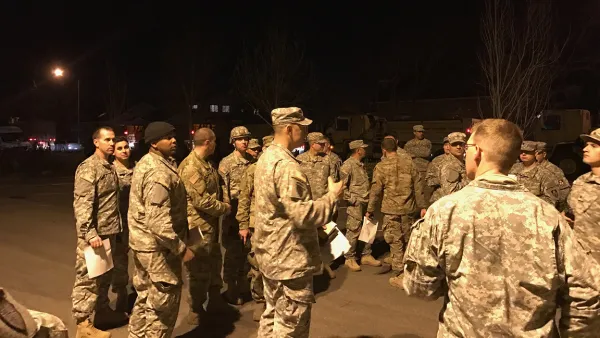
Oroville Dam Crisis Foreseen Over 11 Years Ago
Had federal authorities acted on the motion filed by three environmental groups in October 2005, nearly 200,000 people in three counties would not have been forced to evacuate due to a poorly constructed emergency spillway for Oroville Dam.

Planetizen Federal Action Tracker
A weekly monitor of how Trump’s orders and actions are impacting planners and planning in America.

Amtrak, CN end decades-long dispute with eight-year agreement
The new operating agreement establishes an updated framework for the companies to work together, including processes to resolve disputes.

Northwest rail fans eager for Sept. 30 debut of Amtrak’s Airo fleet
Get ready for that new train smell and more seats. But they won’t go faster or run more frequently on the Cascades route in Washington and Oregon.

Brightline Florida files for bankruptcy
The transit company is over $5 billion in debt.

St. Louis Metro to test if single-car trains can reduce operating costs, maintain rider satisfaction
The pilot program will run from October to spring 2027, and begin with one single-car train operating on Metrolink’s Red and Blue lines.

Pennsylvania is building data centers in abandoned mines
Housing data centers in mines provides an alternative to destroying local forests and may spare residents from data centers’ noise and air pollution.

FREE Course: Walkable City 1: Why Walkability?
After describing his path towards focusing on walkability as the essence of good planning, Jeff Speck marches through his five principal reasons for making more walkable places.
Reinventing Malls: Planning Alchemy—Turning Gray Fields Into Gold
The course focuses on the opportunities and imperatives that shape reinvention of mall sites.

City of Thousand Oaks
City of Wisconsin Rapids
Harvard University Graduate School of Design
The Architects Foundation
University of Cincinnati Online
The Pocatello Development Authority
The Urban Renewal Agency of the City of Pocatello