After a long survey process, Austin looking to update its transit system focusing on frequency on its busiest routes.


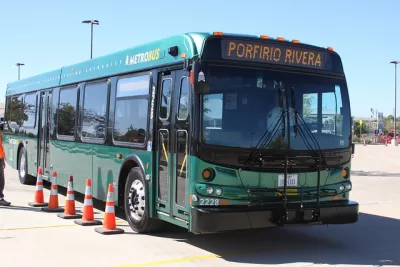
"Capital Metro’s board of directors today approved the agency’s Connections 2025 draft transit plan, allowing the agency to move forward with a bold, new vision for its transit system," reports the Capital Metro's blog.
"Capital Metro’s new plan is designed to improve the rider experience – creating a 24/7 transit system that will see expanded MetroExpress and MetroRapid service, and more east-west options," adds the post.
With the update, Austin joins fellow Texas city Houston (along with cities like Portland, Denver, and Seattle) in reorganizing the service on a high-frequency grid.
Changes will include updates to routes, more express routes, and greater connectivity between routes. Also, "Capital Metro’s updated network will take a frequency-first approach, tripling the number of bus routes running every 15 minutes or better," Capital Metro writes. These updates will not happen immediately. The project will be discussed at public meetings and need board approval before the plan can go into place.
Read the full story: Capital Metro Board Approves Transit System Overhaul


Video Explainer: Why Public Transit Doesn't Work for Most Americans
Vox's popular video explainer production team explains the consequences of U.S. auto dependency, and how to make transit work in the world we live in.

Bus System Redesign Coming to the Cleveland Region
The Greater Cleveland Regional Transit Authority (RTA) revealed a draft system redesign this week.
‘Forward Together’ Bus System Redesign Rolling Out in Portland
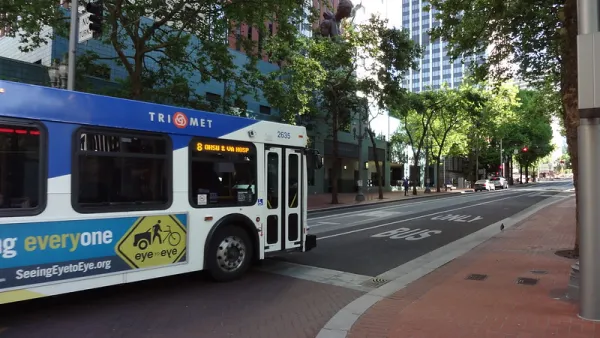
Portland is redesigning its bus system to respond to the changing patterns of the post-pandemic world—with twin goals of increasing ridership and improving equity.

Planetizen Federal Action Tracker
A weekly monitor of how Trump’s orders and actions are impacting planners and planning in America.

California plans to bury El Niño’s downpour
If the state plays its cards right, it may be able to store a billion acre-feet of El Niño’s water in aquifers.

Chicago breaks ground on $3 billion megadevelopment
The new neighborhood, titled Foundry Park, will one day host 3,700 residences.

California High-Speed Rail Authority CEO resigns after $600,000 scandal
Under Ian Choudri, the authority used taxpayer dollars to fund first class flights and trips to nightclubs.

Want to study the Missouri River? Soon, you may need unanimous approval from 10 states
Legislation would require 10 governors’ permission to study or build projects moving water outside the basin.

Desperate measures: Advocates weigh draining Lake Powell to fill Colorado River
Draining the reservoir could reduce evaporation losses by a couple hundred thousand acre-feet.

FREE Course: Walkable City 1: Why Walkability?
After describing his path towards focusing on walkability as the essence of good planning, Jeff Speck marches through his five principal reasons for making more walkable places.
Reinventing Malls: Planning Alchemy—Turning Gray Fields Into Gold
The course focuses on the opportunities and imperatives that shape reinvention of mall sites.

City of Rosemead
Rutgers University, Edward J. Bloustein School of Planning and Public Policy
One Hundred Miles
Hunter College, City University of New York (CUNY)
The Architects Foundation
University of Cincinnati Online
City of Cambridge
Montrose County
The Pocatello Development Authority