With experts predicting widespread autonomous vehicle (AV) adoption in the not-too-distant-future, many policymakers, designers, and ordinary citizens are left scratching their heads, uncertain of what to expect and how to prepare.


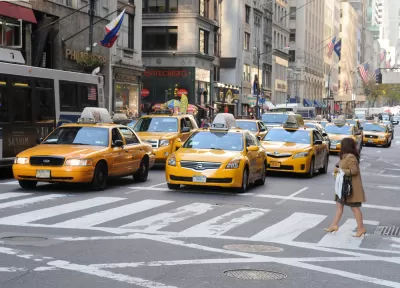
We asked John Eddy, who leads Arup’s research into the impact of AVs on the built environment, and Ryan Falconer, head of the firm’s Canadian transportation consulting business, to stage a mock debate about the risks and rewards of a driverless future.
Let’s start with active transportation. John, will AVs make our cities better for pedestrians and cyclists? How will they encourage people to get out of cars and use active transportation, universally acknowledged to be better from the standpoint of public health and greenhouse gas emissions?
John: There’s no question we’ll be able to create a much safer environment for active travel. Shared autonomous vehicles will need less parking and road space than today’s cars, so we’ll be able to devote more space to pedestrians and cyclists. And although the price of car rides should drop with driverless cars, I don’t think that’s going to stop people from using active transportation. There are multiple reasons why somebody walks or rides a bike, and a lot of it comes down to personal preference.
Ryan: I think the convenience of autonomous vehicles will disincentivize people from using active transit. I’ll link that very strongly to one of the points we’ll get to momentarily: sprawl, which will discourage people from taking active transport because of the travel distances involved.
Read the full story: A civil debate: Are driverless cards good for cities?

Uber Drivers Are Helping the Company Kill Their Own Jobs
Uber needs only a few more years to start its driverless mobility services. Meanwhile its million-plus self-employed drivers are providing the company with money, data, and future customers before their jobs get permanently ditched.
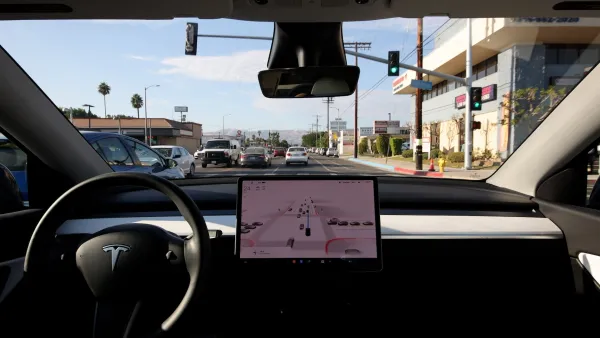
Tesla Launches Unsupervised Robotaxis in Austin
The company has been operating autonomous taxis with human safety drivers in the car in Austin since last June.
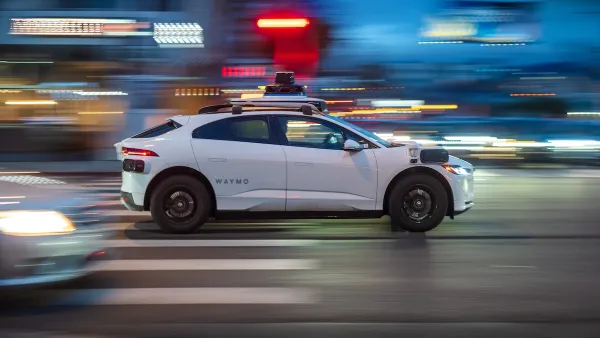
Seattle's Plan for Adopting Driverless Cars
Equity, safety, accessibility and affordability are front of mind as the city prepares for robotaxis and other autonomous vehicles.

Amtrak, CN end decades-long dispute with eight-year agreement
The new operating agreement establishes an updated framework for the companies to work together, including processes to resolve disputes.

Northwest rail fans eager for Sept. 30 debut of Amtrak’s Airo fleet
Get ready for that new train smell and more seats. But they won’t go faster or run more frequently on the Cascades route in Washington and Oregon.

Judges permit Denver to divert 77,000 acre feet from the Colorado River for reservoir expansion
Overuse and climate change have caused the Colorado River’s water levels to plummet.

NYC to turn city-owned property into thousands of homes
The city has scheduled a public hearing regarding the development for October.

Buses travel at 5mph along this route in NYC. The Bronx's first-ever busway looks to change that
Prior to the busway, buses on the Bx36 route traveled as slowly as 5 miles per hour.

Pittsburg launches 'EZ permits,' aims for one-day turnaround for low-risk permits
The pilot ‘fast lane’ for permits is part of a bundle of modernization efforts for Pittsburg’s permitting process.

FREE Course: Walkable City 1: Why Walkability?
After describing his path towards focusing on walkability as the essence of good planning, Jeff Speck marches through his five principal reasons for making more walkable places.
Reinventing Malls: Planning Alchemy—Turning Gray Fields Into Gold
The course focuses on the opportunities and imperatives that shape reinvention of mall sites.

City of Thousand Oaks
City of Wisconsin Rapids
Harvard University Graduate School of Design
The Architects Foundation
University of Cincinnati Online
The Pocatello Development Authority
The Urban Renewal Agency of the City of Pocatello