An editorial in Crain's suggests that by not taking full advantage of its history with the Blues, Chicago is wasting a precious cultural resource and missing an opportunity for tourism dollars.


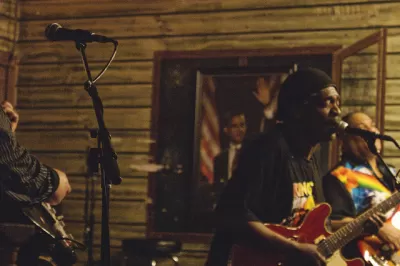
Blues songs have told Chicago's story for generations, but a recent piece in Crain's Chicago Business argues the city has been unwilling to return the favor. Besides being home to some of the greatest blues musicians, it's also the site of a living musical culture that could be a boon to the city. "[T]o think of Chicago blues as merely a historic legacy is to overlook its worldwide following in the here and now—and to miss out on a tourism and economic development opportunity that's pumping hundreds of millions of dollars into other cities," Crain’s argues.
Compared to cities like Memphis, St. Louis, and New Orleans, which have built museums and tourism campaigns around their musical heritages, Chicago is lagging behind—both generally and with the blues specifically. "[W]hen tourists land in Chicago seeking a place to learn about the blues, they're pretty much on their own," Crain's writes. While Chicago is host to a major weekend Blues Festival every year, Crain's sees this as not nearly enough. "You'll find no museums here. No statues, no official tours, no markers of the vital clubs where the music gestated on the South and West sides," Crain's writes. These clubs are largely unknown even to local Chicagoans, but they have a powerful story to tell and great music inside.
FULL STORY: Chicago can't afford to squander its blues music legacy

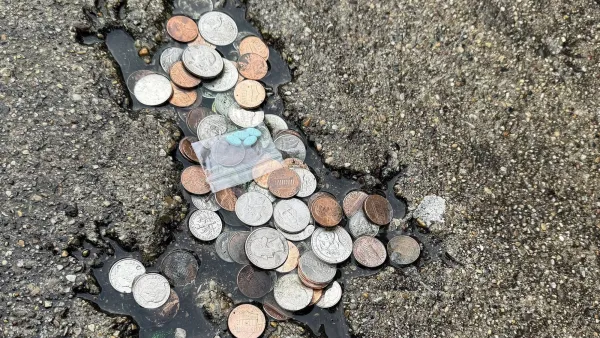
Chicago Rat Hole Becomes Viral Urban Sensation
The rodent-shaped sidewalk imprint has captured hearts and imaginations on social media but has proven a headache for neighbors.
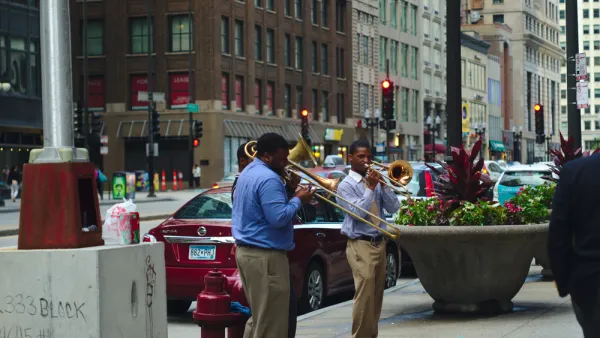
An Ordinance to Curb Street Performance in Chicago Draws Criticism
Chicago Aldermen are considering an ordinance to outlaw street performances audible from more than 20 feet away, but in a segregated city, some fear that a quieter downtown might be more unwelcoming.
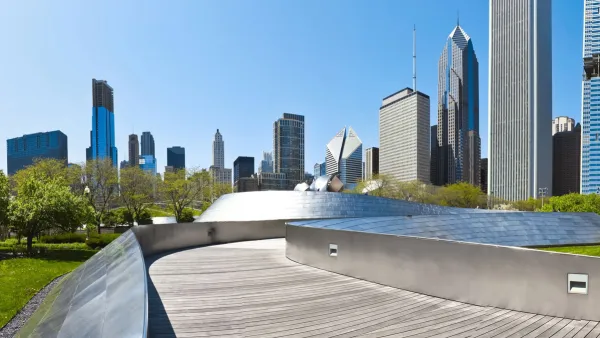
Will Chicago Be the Next to Jump on the Sky Gondola?
Chicago's looking for a new tourist attraction, and the sky gondola has made the short list. Private investors have proposed to construct a sky gondola as a tourist attraction crossing over the Chicago River, but will the plan fly?

The state-sanctioned urbicide of Austin
People don’t kill cities. Freeways do.

US to reduce Colorado River water deliveries to Mexico
A new Colorado Treaty amendment reduces Mexico’s Colorado River water allocation by 250,000 acre feet.

New Jersey’s second-largest city bans standalone data centers
Jersey City will continue to allow co-location facilities, such as those meant for research institutions that store their own data.

Amtrak not solely to blame for New Jersey commuter rail's unreliability, report finds
A new study from the Garden State Initiative found that NJ Transit’s budget grew 20% across a 4 year period, but reliability declined significantly over the same period.

EPA erases limits on planet-warming pollution from power plants
Under Monday’s plan, power plants would still have some limits on how much mercury, arsenic and other contaminants they can emit.

Phoenix announces new on-demand transit service, more frequent RAPID buses
Both new services will launch in October, and are part of Phoenix's Project Effective Access Solutions for Easing Congestion.

FREE Course: Walkable City 1: Why Walkability?
After describing his path towards focusing on walkability as the essence of good planning, Jeff Speck marches through his five principal reasons for making more walkable places.
Reinventing Malls: Planning Alchemy—Turning Gray Fields Into Gold
The course focuses on the opportunities and imperatives that shape reinvention of mall sites.

Eagle County Government
Harvard University Graduate School of Design
Nashville Planning Department
The Architects Foundation
University of Cincinnati Online
The Pocatello Development Authority
The Urban Renewal Agency of the City of Pocatello
Journal of the American Planning Association