The Obama Administration's Department of the Interior released their report on coal mining on federal lands just days before the Trump team takes office.


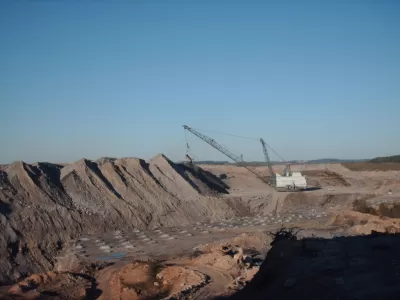
After years of studying a system that environmental groups and government watchdogs have called broken, "…the Department of the Interior finalized a report Wednesday calling for major changes to the federal coal program by which the U.S. manages the leasing of land to companies for exploration and production across 570 million publicly owned acres," report Juliet Eilperin and Chris Mooney in The New York Times.
While coal extraction goes on in the United States, "A year ago, new leases were placed on hold pending this report," according to Eilperin and Mooney. The hold put a hard cap on what coal mines could do while the Department of the Interior looked for reforms for the industry. "Those reforms would include charging a higher royalty rate to companies, factoring in the climate impact of the coal being burned through an additional charge to firms and setting an overall carbon budget for the nation’s coal leasing permits," Eilperin and Mooney write. Trump meanwhile has pledged to increase coal extraction. He's likely to have support from the Republican congressional majority. "Montana Senator, Steve Daines, in a press release…termed the new Interior report 'laughable,'" according to the article. Still, while the Trump Administration may resist these reforms, plans to revive the coal industry might also face strong market headwinds.
Read the full story: Obama’s Interior Dept. calls for major changes to ‘modernize’ federal coal program

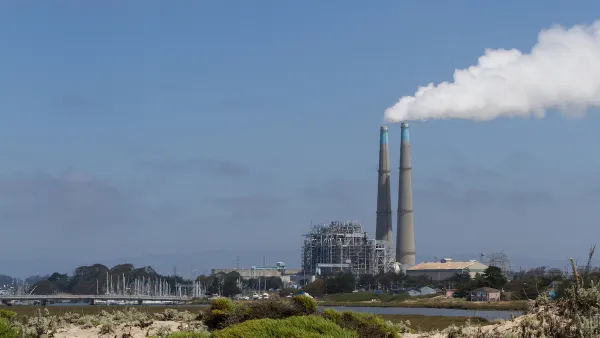
Making Natural Gas Power Plants Cleaner
Carbon capture and storage has long been associated with coal-burning power plants. Calpine Corp. hopes to apply the controversial technology to existing natural gas power plants, beginning with a pilot project to start this month in the Bay Area.
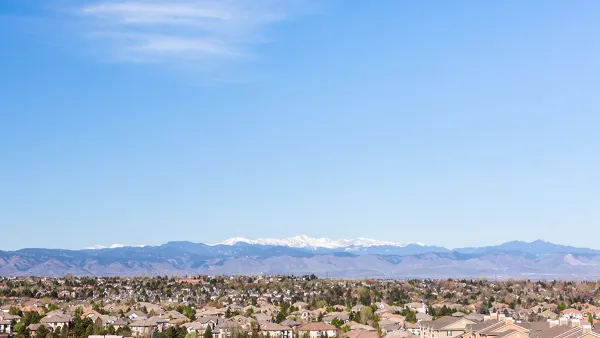
Colorado's Greenhouse Gases are Going Down for the First Time in Its History
The state of Colorado is still a long way from reaching its 2050 commitment, but a move to more renewable energy has the state trending in the right direction.
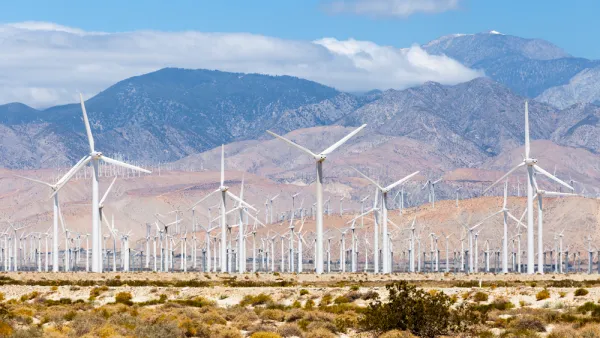
New Renewable Energy Has Yet to Displace Dirty Energy
Falling costs for renewable energy may lead some to believe that coal and other mainstays have been replaced, but they haven't. Adoption of renewables is not yet outpacing growth in demand for energy.

Planetizen Federal Action Tracker
A weekly monitor of how Trump’s orders and actions are impacting planners and planning in America.

Amtrak, CN end decades-long dispute with eight-year agreement
The new operating agreement establishes an updated framework for the companies to work together, including processes to resolve disputes.

Judges permit Denver to divert 77,000 acre feet from the Colorado River for reservoir expansion
Overuse and climate change have caused the Colorado River’s water levels to plummet.

NYC DOT wants faster, more permanent street upgrades
The city is examining ways to build more concrete infrastructure without getting entangled in 'decades-long' projects.

'Something we’ve never seen before:' rising utility rates could strain city finances nationwide
Data centers, climate change and other factors have caused utility rates in the United States to increase by 38% since 2020.

Trump to overrule local leaders, lease millions of acres of America’s Pacific Island territories’ seafloors to mining companies
International law says that the Indigenous people of America’s territories have a right to prior and informed consent regarding projects that impact their countries.

FREE Course: Walkable City 1: Why Walkability?
After describing his path towards focusing on walkability as the essence of good planning, Jeff Speck marches through his five principal reasons for making more walkable places.
Reinventing Malls: Planning Alchemy—Turning Gray Fields Into Gold
The course focuses on the opportunities and imperatives that shape reinvention of mall sites.

Harvard University Graduate School of Design
KFH Group Inc.
Greater Baltimore Committee
The Architects Foundation
University of Cincinnati Online
The Pocatello Development Authority
The Urban Renewal Agency of the City of Pocatello