With rapidly rising costs of living, one study shows the number of homeless in the nation's capital is double the national average.


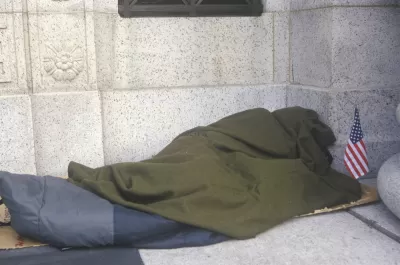
Washington is becoming an increasingly expensive city to live in, causing a bump in homelessness in the city. "In December, a devastating survey of 32 big cities prepared by the United States Conference of Mayors showed Washington with the highest rate of homelessness. There are 124 homeless people for every 10,000 residents here, more than twice the national average. Nationally, homelessness has shrunk 12.9 percent over the last seven years," Noah Weiland writes for the New York Times.
The working poor have trouble finding housing. "In such a desirable real estate market, landlords are circumspect, taking government subsidies for affordable housing before screening out potential tenants for qualities associated with homelessness," Weiland writes. Those who do find housing have trouble affording it, "… with rising rent, the poorest Washington residents faced spending more than half their income on housing."
Read the full story: D.C. Homelessness Doubles National Average as Living Costs Soar

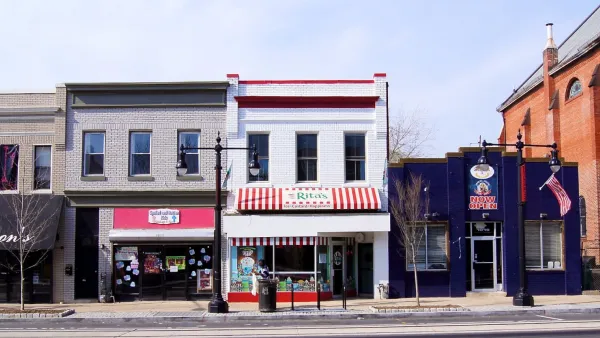
D.C. Council Chooses Commercial Property Tax Breaks Over Homeless Funding
Carolyn Gallaher, an associate professor at American University, makes the case for local political leadership to better support Washington, D.C.'s homeless population. The D.C. Council has been focusing its resources elsewhere.
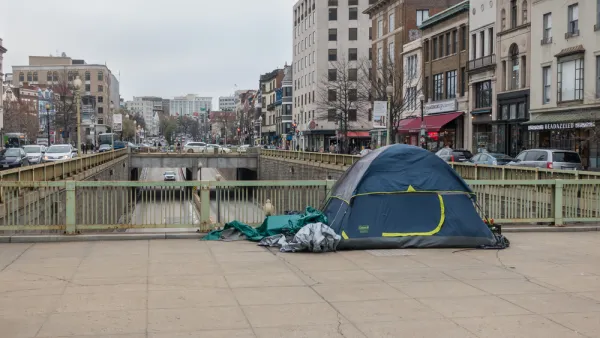
Behind-Schedule Shelters and Behind-the-Scenes Problems at D.C. Department of General Services
The Department of General Services, Washington D.C.'s department in charge of constructing homeless shelters, has seen rapid turnover and is reportedly struggling with low morale.
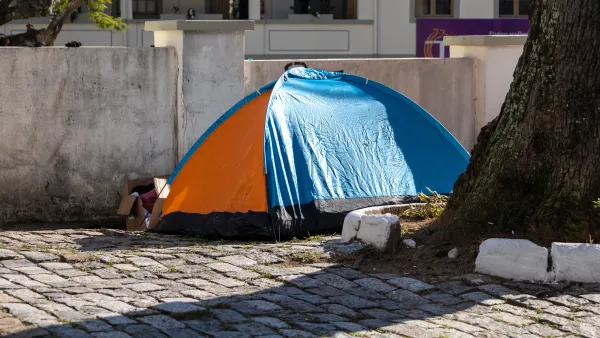
U.S. Supreme Court Upholds Camping Bans, but Challenges of Addressing Homelessness Remain
In Grants Pass v. Johnson, the Supreme Court upheld an Oregon city’s ban on camping in public places, paving the way for similar bans in cities across the country but doing nothing to solve the cause of homelessness.

Planetizen Federal Action Tracker
A weekly monitor of how Trump’s orders and actions are impacting planners and planning in America.

Amtrak, CN end decades-long dispute with eight-year agreement
The new operating agreement establishes an updated framework for the companies to work together, including processes to resolve disputes.

Northwest rail fans eager for Sept. 30 debut of Amtrak’s Airo fleet
Get ready for that new train smell and more seats. But they won’t go faster or run more frequently on the Cascades route in Washington and Oregon.

Caltrain may slash over one-third of its stations
If Bay Area voters reject two transit tax measures, Caltrain, BART and AC Transit will see steep service cuts.

A 'dangerous' precedent: North Carolina successfully pressures communities into voting for toll roads
Two mayors resigned from the Charlotte Regional Transportation Planning Organization after it voted in favor of the toll roads.

Austin landlords only need to address mold when it covers 25 sqft. A resolution looks to change that
The city manager will propose updates to the city code regarding regulations around mold in May.

FREE Course: Walkable City 1: Why Walkability?
After describing his path towards focusing on walkability as the essence of good planning, Jeff Speck marches through his five principal reasons for making more walkable places.
Reinventing Malls: Planning Alchemy—Turning Gray Fields Into Gold
The course focuses on the opportunities and imperatives that shape reinvention of mall sites.

City of Thousand Oaks
City of Wisconsin Rapids
Harvard University Graduate School of Design
The Architects Foundation
University of Cincinnati Online
The Pocatello Development Authority
The Urban Renewal Agency of the City of Pocatello