Carolyn Gallaher, an associate professor at American University, makes the case for local political leadership to better support Washington, D.C.'s homeless population. The D.C. Council has been focusing its resources elsewhere.


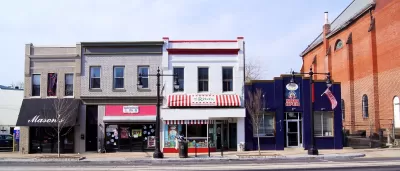
"On December 4, the DC Council moved to divert an estimated $20 million in new tax funds it had pledged for homeless programs to instead reduce the property tax rate for commercial entities valued at $10 million or more," reports Carolyn Gallahar.
The tax money comes from the District's new Internet Sales Tax, which followed a twisted road to adoption that included a 2013 Budget Act, a June Supreme Court decision, and a final concession to commercial interests "unhappy with an earlier tax hike on commercial properties," according to Gallahar.
Gallahar's opinion on the council's decision is made clear, mimicking an opinion piece by Ed Lazere and Scott Schenkelberg from late November.
FULL STORY: The DC Council just cut $20 million for homeless services to fund tax breaks for commercial properties

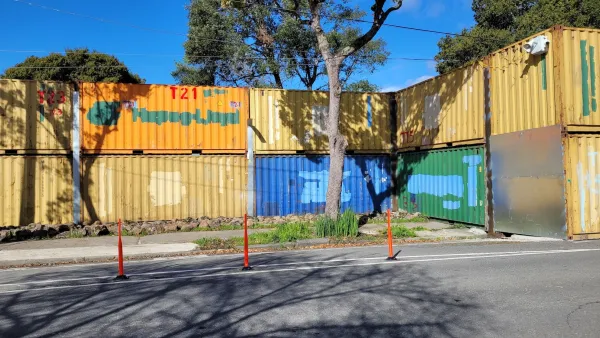
Berkeley promised to build supportive housing in People's Park. Where is it?
More than two years after People's Park was cordoned off, there is no word on a timeline for a promised affordable housing project.
Cleveland program has housed 200 people since 2024
The A Home For Every Neighbor initiative successfully moves people into housing in under two weeks.
Ann Arbor millage tax has created over $27M for affordable housing
The 2020 property tax is expected to fund roughly 1,500 new affordable homes.

The state-sanctioned urbicide of Austin
People don’t kill cities. Freeways do.

US to reduce Colorado River water deliveries to Mexico
A new Colorado Treaty amendment reduces Mexico’s Colorado River water allocation by 250,000 acre feet.

New Jersey’s second-largest city bans standalone data centers
Jersey City will continue to allow co-location facilities, such as those meant for research institutions that store their own data.

Amtrak not solely to blame for New Jersey commuter rail's unreliability, report finds
A new study from the Garden State Initiative found that NJ Transit’s budget grew 20% across a 4 year period, but reliability declined significantly over the same period.

EPA erases limits on planet-warming pollution from power plants
Under Monday’s plan, power plants would still have some limits on how much mercury, arsenic and other contaminants they can emit.

Phoenix announces new on-demand transit service, more frequent RAPID buses
Both new services will launch in October, and are part of Phoenix's Project Effective Access Solutions for Easing Congestion.

FREE Course: Walkable City 1: Why Walkability?
After describing his path towards focusing on walkability as the essence of good planning, Jeff Speck marches through his five principal reasons for making more walkable places.
Reinventing Malls: Planning Alchemy—Turning Gray Fields Into Gold
The course focuses on the opportunities and imperatives that shape reinvention of mall sites.

Eagle County Government
Harvard University Graduate School of Design
Nashville Planning Department
The Architects Foundation
University of Cincinnati Online
The Pocatello Development Authority
The Urban Renewal Agency of the City of Pocatello
Journal of the American Planning Association