David Schalliol, director of the documentary, 'The Area,' talks about the impact of a railroad expansion that demolished the homes of 400 families on the South Side of Chicago.


The last four years saw a long slow process by which about ten blocks on Chicago's South Side were bought or acquired through eminent domain and converted into a rail yard. As the homes were acquired and either left uninhabited or demolished by Norfolk Southern, which was only interested in the land, the community emptied out. David Schalliol's film The Area documents how that process unfolded in Englewood.
"Throughout the expansion push, many held out for years, particularly with black pride of ownership and community—pushing back in a city infamous for redlining and housing discrimination—rarely seems far from the surface," reports Stephen Gossett in Chicagoist.
The Area, which was originally produced as a short (see below), documents the experience that some of those left behind faced as there community originally faced the prospect of its demise. For some, moving was not merely a financial consideration. "Schalliol recalls a woman who spent some 55 years in her home, which she needed to anchor her memory as her dementia worsened. "No offer would have been sufficient” for the family," Gossett wrote.
FULL STORY: 'The Area' Director Talks RR Expansion That Bulldozed Entire Community

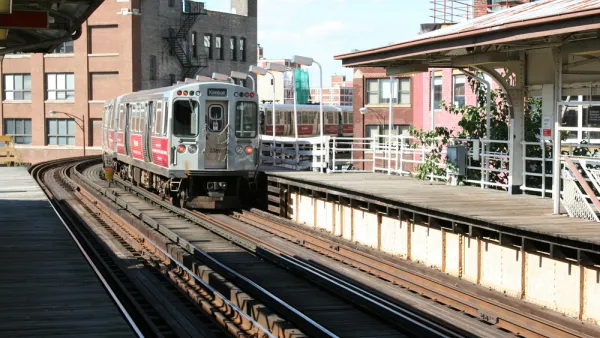
CTA to Fund 'FastTracks' with Ride-Hailing Fee
CTA upgrades will speed up trains and increase capacity for four train lines in the city.
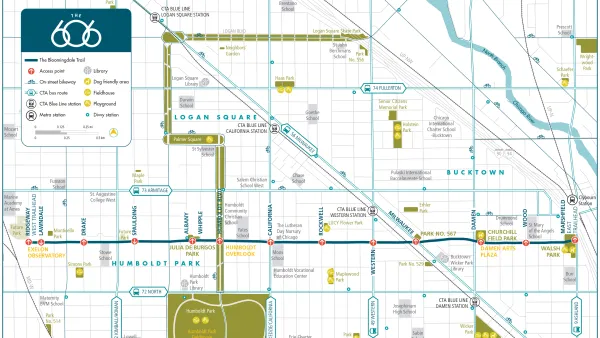
Increased Demolition Fee Proposed for Developers Near Chicago's 606
A bill with anti-gentrification goals would charge developers who intend to knock down homes along the city’s new bike trail.
Can Chicago Ride Its Rails to Economic Growth?
Chicago's position as a central hub for manufacturing and shipping helped establish the city as the economic powerhouse of the Midwest. A new report recommends the city update that infrastructure to grow the region's economy.

The state-sanctioned urbicide of Austin
People don’t kill cities. Freeways do.

US to reduce Colorado River water deliveries to Mexico
A new Colorado Treaty amendment reduces Mexico’s Colorado River water allocation by 250,000 acre feet.

New Jersey’s second-largest city bans standalone data centers
Jersey City will continue to allow co-location facilities, such as those meant for research institutions that store their own data.

Amtrak not solely to blame for New Jersey commuter rail's unreliability, report finds
A new study from the Garden State Initiative found that NJ Transit’s budget grew 20% across a 4 year period, but reliability declined significantly over the same period.

EPA erases limits on planet-warming pollution from power plants
Under Monday’s plan, power plants would still have some limits on how much mercury, arsenic and other contaminants they can emit.

Phoenix announces new on-demand transit service, more frequent RAPID buses
Both new services will launch in October, and are part of Phoenix's Project Effective Access Solutions for Easing Congestion.

FREE Course: Walkable City 1: Why Walkability?
After describing his path towards focusing on walkability as the essence of good planning, Jeff Speck marches through his five principal reasons for making more walkable places.
Reinventing Malls: Planning Alchemy—Turning Gray Fields Into Gold
The course focuses on the opportunities and imperatives that shape reinvention of mall sites.

Eagle County Government
Harvard University Graduate School of Design
Nashville Planning Department
The Architects Foundation
University of Cincinnati Online
The Pocatello Development Authority
The Urban Renewal Agency of the City of Pocatello
Journal of the American Planning Association