This is Amtrak between Pittsburgh and Philadelphia: It could cost $13 billion to speed up the tip by 30 minutes, and $16 million to add just one more train.


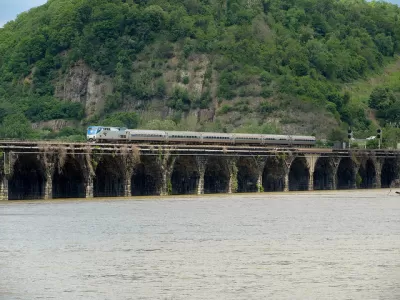
"It's nearly 7½ hours on 350 miles of rail from Philadelphia to Pennsylvania's big city in the west. It's slower than an hour-and-15-minute flight or five-hour drive, and, at $47, comparable to the cost of tolls and gas on the Pennsylvania Turnpike," according to an article by Jason Laughlin.
Laughlin notes the growing volume of advocacy for more and better service on Amtrak's Pennsylvanian, which transit officials pondered at an August hearing. The idea: to improve the 250-mile Keystone Line, the tracks between Harrisburg and Pittsburgh, and adding one more trip a day.
Geography and track rights stand in the way, according to Laughlin. And then there's the brass tacks:
The state expects an additional round-trip to cost $10 million to start, and an additional $6 million each year in operating costs. Track improvements to allow faster trains would run between $1.5 billion and $13 billion, according to a 2015 PennDot report. The most ambitious option, straightening the route and adding an additional track in places, would shorten the trip by just a half-hour in each direction.
Read the full story: Amtrak's slow ride to Pittsburgh: It's faster to drive
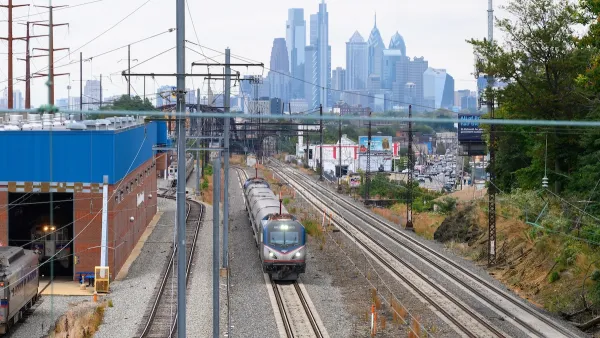
Loss of SEPTA Funding Could Kill Amtrak’s Fifth Busiest Line
The Philadelphia transit agency’s funding challenges could eliminate its contributions to Amtrak’s Keystone Service linking Philly and NYC.
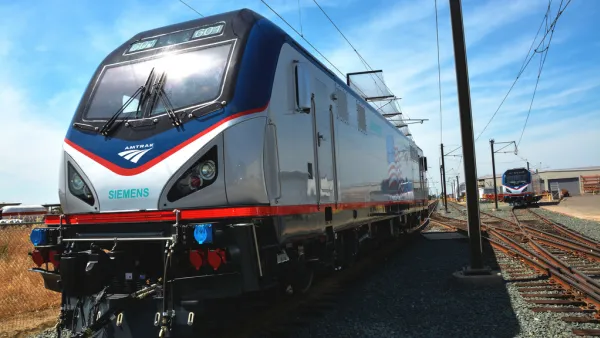
Increasing Passenger Rail Service from Pittsburgh Would Be Costly, Studies Show
Transportation advocates are calling for expanded rail service to the east, but studies indicate the needed infrastructure improvements would be pricey.
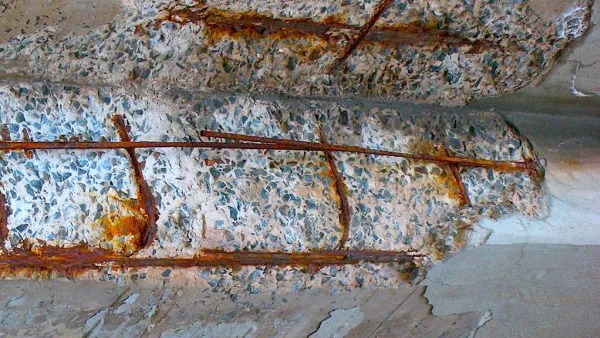
60 Minutes Examines America's Failing Infrastructure
Steve Kroft of 60 Minutes reviews road, rail, bridges, and ports to see how much investment is needed to improve the country's infrastructure, beginning in Pittsburgh and ending at a key Amtrak rail bridge in New Jersey.

Planetizen Federal Action Tracker
A weekly monitor of how Trump’s orders and actions are impacting planners and planning in America.

Eastern Nebraska is running out of electricity
Data centers and electrification are straining eastern Nebraska’s grid, throttling economic development.

Move over, LA: St. Louis gears up for Olympics, invests millions in downtown redevelopment
The Missouri city will host the 2028 Olympic soccer group stage and knockout matches.

Dallas releases zoning code overhaul to officials
The drafted overhaul is over 400 pages long.

NYC renovations for dangerous, ‘mercilessly crammed’ street delayed until 2027
Construction was supposed to begin this fall.

San Diego’s Midway Rising project gets greenlight from city council
The project looks to become the largest affordable housing development in California's history.

FREE Course: Walkable City 1: Why Walkability?
After describing his path towards focusing on walkability as the essence of good planning, Jeff Speck marches through his five principal reasons for making more walkable places.
Reinventing Malls: Planning Alchemy—Turning Gray Fields Into Gold
The course focuses on the opportunities and imperatives that shape reinvention of mall sites.

City of Rosemead
Rutgers University, Edward J. Bloustein School of Planning and Public Policy
One Hundred Miles
University of Michigan School for Environment and Sustainability (SEAS)
Hunter College, City University of New York (CUNY)
The Architects Foundation
City of Cambridge
The Pocatello Development Authority
The Urban Renewal Agency of the City of Pocatello