The American Community Survey released new data on the who and where of migration.


Lyman Stone takes an initial peak at new migration data for 2015, released today by the American Community Survey (ACS). According to Stone, the big takeaway is increasing interstate migration, which is up again after declining substantially during the recession.
On a theoretical grounds, this is because anti-migration policies like extended unemployment insurance and other stimulus have calmed down, and because we’ve seen recent economic strength begin boosting wages and pulling some people back into the labor force. On a more practical grounds, ACS 2015 data is measuring many of the same movements that get reported in the March 2015 CPS ASEC.
Stone also breaks down the data according to demographic and regional trends, before concluding that though migration hasn’t quite recovered to pre-recession levels, it’s now “well above the trough.”
Read the full story: What Happened to Migration in 2015?


Post-Recession Migration Patterns of Younger and Older Americans
New census data shows that millennials and seniors are migrating less, a result of the Great Recession and its economic impacts. For those who are moving, cities in the Sun Belt have been primary destinations.
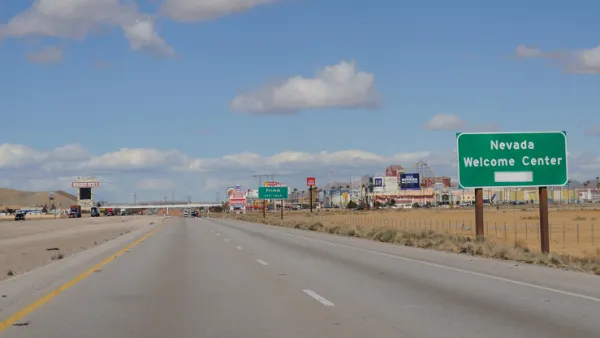
California Has Been Shedding Residents—For Decades
The state Legislative Analyst's Office looks at California's out-migration data. Every year since 1990, more Californians left for other than states than arrive. Which states are sending their residents here, and where are Californians fleeing to?

Colorado creates wildlife crossings fund
Residents will have the option to add $5 to their car registration to fund infrastructure that prevents wildlife-vehicle collisions.

Planetizen Federal Action Tracker
A weekly monitor of how Trump’s orders and actions are impacting planners and planning in America.

Amtrak, CN end decades-long dispute with eight-year agreement
The new operating agreement establishes an updated framework for the companies to work together, including processes to resolve disputes.

Northwest rail fans eager for Sept. 30 debut of Amtrak’s Airo fleet
Get ready for that new train smell and more seats. But they won’t go faster or run more frequently on the Cascades route in Washington and Oregon.

LAX SkyLink opening delayed again, contractor won’t commit to new deadline
The project was supposed to open its doors to the public in 2023.

Caltrain may slash over one-third of its stations
If Bay Area voters reject two transit tax measures, Caltrain, BART and AC Transit will see steep service cuts.

A 'dangerous' precedent: North Carolina successfully pressures communities into voting for toll roads
Two mayors resigned from the Charlotte Regional Transportation Planning Organization after it voted in favor of the toll roads.

FREE Course: Walkable City 1: Why Walkability?
After describing his path towards focusing on walkability as the essence of good planning, Jeff Speck marches through his five principal reasons for making more walkable places.
Reinventing Malls: Planning Alchemy—Turning Gray Fields Into Gold
The course focuses on the opportunities and imperatives that shape reinvention of mall sites.

City of Thousand Oaks
City of Wisconsin Rapids
Harvard University Graduate School of Design
The Architects Foundation
University of Cincinnati Online
The Pocatello Development Authority
The Urban Renewal Agency of the City of Pocatello