Extreme heat is often viewed as an urban problem, but rural communities face their own unique risks.


A new report from Headwaters Economics warns of the dangers of extreme heat to rural residents, writes Sarah Melotte in The Daily Yonder.
Although extreme heat is often framed as an urban problem exacerbated by pavement and tall buildings, rural areas suffer from different challenges when heat waves strike.
“Compared to urban dwellers, rural Americans are twice as likely to have pre-existing health issues like diabetes that exacerbate the dangers of extreme heat, according to the Headwaters Economics report. And when rural Americans do face heat-related illnesses, they are also more likely to be uninsured and acquire medical debt in the process.” Rural workers are also more likely to work in high-exposure industries such as agriculture or construction.
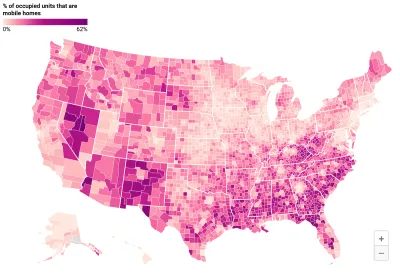
Meanwhile, the prevalence of manufactured housing in rural areas means rural residents spend more on heating and cooling more inefficient dwellings. “Rural residents in manufactured and mobile homes spend 75% more on energy bills compared to their urban counterparts.”
Headwaters Economics offers policy solutions that can help protect rural residents, particularly those living in manufactured homes. from extreme heat. “Existing federal programs – such as the Weatherization Assistance Program (WAP) and the Low Income Home Energy Assistance Program (LIHEAP) – support families by improving energy efficiency and providing financial assistance for cooling costs.”
FULL STORY: Housing Conditions Exacerbate the Effects of Extreme Heat in Rural America

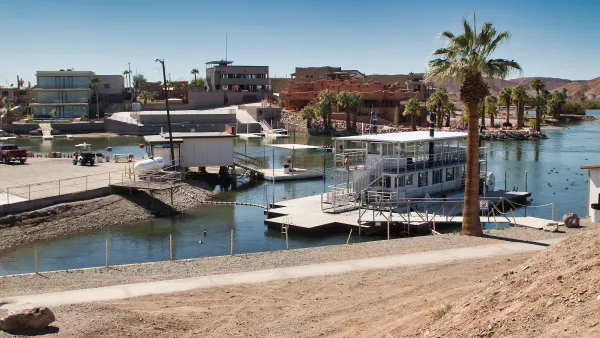
Arizona had its hottest spring in 131 years
Average March temperatures across the state were 12.5 degrees above normal.
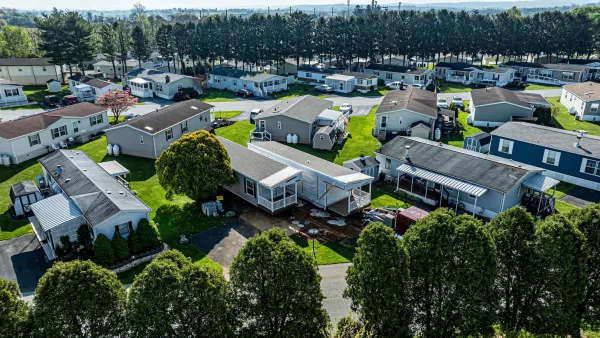
Should the public sector buy mobile home parks?
One writer argues that the crisis facing the nation's mobile home owners warrants public intervention.
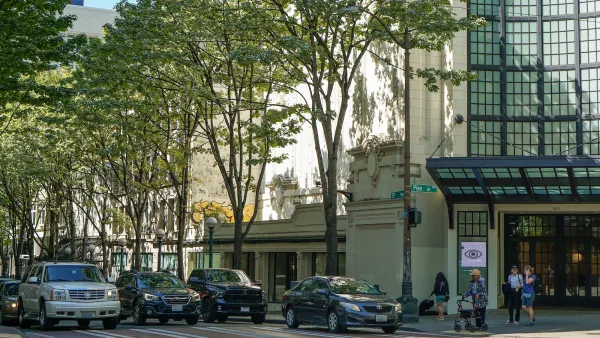
Washington Urban Forestry Program Faces 'Existential' Budget Cut
A proposed budget eliminates funding for a key urban forestry program that funds greening efforts across the state.

The state-sanctioned urbicide of Austin
People don’t kill cities. Freeways do.

US to reduce Colorado River water deliveries to Mexico
A new Colorado Treaty amendment reduces Mexico’s Colorado River water allocation by 250,000 acre feet.

New Jersey’s second-largest city bans standalone data centers
Jersey City will continue to allow co-location facilities, such as those meant for research institutions that store their own data.

Amtrak not solely to blame for New Jersey commuter rail's unreliability, report finds
A new study from the Garden State Initiative found that NJ Transit’s budget grew 20% across a 4 year period, but reliability declined significantly over the same period.

EPA erases limits on planet-warming pollution from power plants
Under Monday’s plan, power plants would still have some limits on how much mercury, arsenic and other contaminants they can emit.

Phoenix announces new on-demand transit service, more frequent RAPID buses
Both new services will launch in October, and are part of Phoenix's Project Effective Access Solutions for Easing Congestion.

FREE Course: Walkable City 1: Why Walkability?
After describing his path towards focusing on walkability as the essence of good planning, Jeff Speck marches through his five principal reasons for making more walkable places.
Reinventing Malls: Planning Alchemy—Turning Gray Fields Into Gold
The course focuses on the opportunities and imperatives that shape reinvention of mall sites.

Eagle County Government
Harvard University Graduate School of Design
Nashville Planning Department
The Architects Foundation
University of Cincinnati Online
The Pocatello Development Authority
The Urban Renewal Agency of the City of Pocatello
Journal of the American Planning Association