New research from Trulia finds that an "economic convergence" of housing markets is not happening: the housing rich are getting richer, while the housing poor are getting poorer.


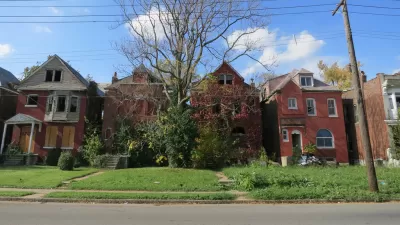
"The U.S. housing market is growing more unequal," according to an article by Ralph McLaughlin for Trulia.
McLaughlin summarizes the findings of the Trulia research shared in the post"
Over the past 30 years, prices in the 20 most expensive markets have risen much faster than prices in the 20 least expensive. What’s more, expensive markets almost always had bigger price gains compared to cheaper markets. In other words, the housing rich are getting richer while the housing poor are getting poorer.
The article includes specific data points to back up this narrative. One particular telling data point finds that the growth of San Francisco's home values has outpaced ten major U.S. cities combined (i.e., Rochester, Wichita, Fort Worth, Memphis, El Paso, Oklahoma City, Dallas, Tulsa, Greensboro-High Point, and Dayton). The article includes a lot of infographics and data to make a stark point a reality: "The financial fortune of homeowners in the U.S. has largely been determined by where they live, " and "regional disparities in home price growth may be effectively driving a geographical gap in wealth generation."
Read the full story: Rich City, Poor City: How Housing Supply Drives Regional Economic Inequality
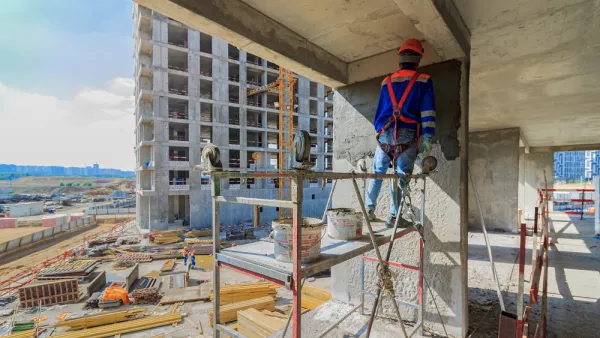
Research: Financial Practices Partly Responsible for the Rental Affordability Crisis
Zoning and the economy aren't the only factors in neighborhood change—financial regulations and policies, sometimes seemingly unrelated, also have an effect.

Evidence-based planning in a time of information overload
The field of academic publishing has become complex and crowded. What does it mean for urban planners?
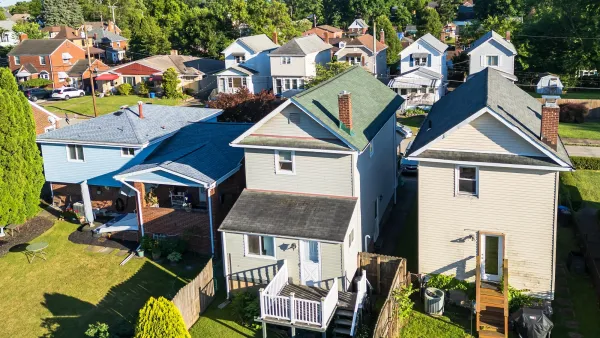
Pittsburgh Median Home Price is Lowest in the US at $250K
After the collapse of the U.S. steel industry, the city was left with a glut of affordable homes.

Planetizen Federal Action Tracker
A weekly monitor of how Trump’s orders and actions are impacting planners and planning in America.

California plans to bury El Niño’s downpour
If the state plays its cards right, it may be able to store a billion acre-feet of El Niño’s water in aquifers.

Desperate measures: Advocates weigh draining Lake Powell to fill Colorado River
Draining the reservoir could reduce evaporation losses by a couple hundred thousand acre-feet.

Chicago voters approve permanent festival grounds, penalty for vacant property owners
Currently, major summer and fall festivals take over public parks for weeks at a time, drawing criticism from nearby residents

NYC votes to cut outdoor dining red tape, speed up permitting
New York City also voted to allow the Department of Transportation to begin work on urgent projects before notifying elected officials.

California appears to reject Prop. 45
The proposition would have expanded the projects that qualify for a streamlined environmental review, effectively paring down the California Environmental Quality Act.

FREE Course: Walkable City 1: Why Walkability?
After describing his path towards focusing on walkability as the essence of good planning, Jeff Speck marches through his five principal reasons for making more walkable places.
Reinventing Malls: Planning Alchemy—Turning Gray Fields Into Gold
The course focuses on the opportunities and imperatives that shape reinvention of mall sites.

City of Rosemead
Rutgers University, Edward J. Bloustein School of Planning and Public Policy
One Hundred Miles
Hunter College, City University of New York (CUNY)
The Architects Foundation
University of Cincinnati Online
City of Cambridge
Montrose County
The Pocatello Development Authority