A failed 2012 restoration of South Camac, meant to last five years, only made it until 2015. Now it will have to wait until 2017 to see the historic street paved in wood again.


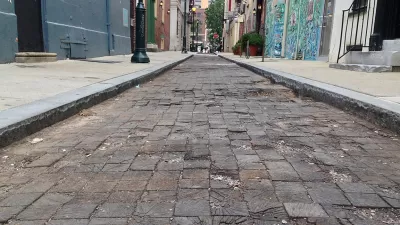
Mimi Kirk reports on the complicated and unique history of South Camac, "one of those old, narrow Philadelphia streets with buildings that hug the sidewalk so closely they seem to spill onto it," which until last year was also "the only restored wood-paved street in Philadelphia."
Kirk details the history of South Camac as a wood-paved street, which extends back to 1917, when the collection of art and literary clubs that lined the street wanted to dampen the sound of passing horses by paving the street with wood rather than cobblestone.
A 2012 restoration of the wood paving, however, failed, when the wood quickly rotted and popped out of place. The entire street was then "embalmed" in asphalt in 2015, to use the words chosen for the headline of an article by Inga Saffron. Kirk picks up the story in the present day, with an update from Philadelphia's Streets Department about how they intend to avoid these mistakes when they once again restore the street to wood paving in 2017.
Read the full story: Rebuilding One of America's Last Wood-Paved Streets
Learning loss and urban schools, part 2
Did test scores in progressive cities drop more post-COVID than test scores in moderate ones?
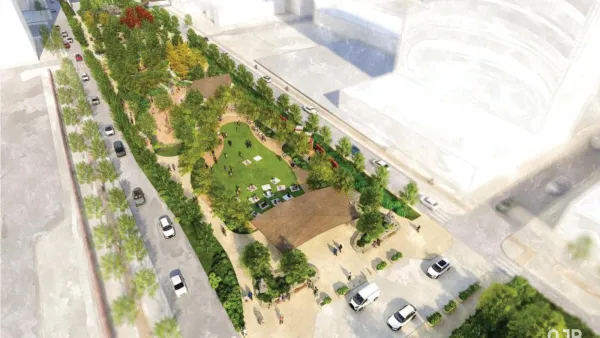
Philadelphia lawmakers fight to save 'Chinatown Stitch' from Trump cuts
The freeway cap project, approved and funded under the Biden administration, is now in jeopardy after the federal government rescinded all but $8 million in funding.
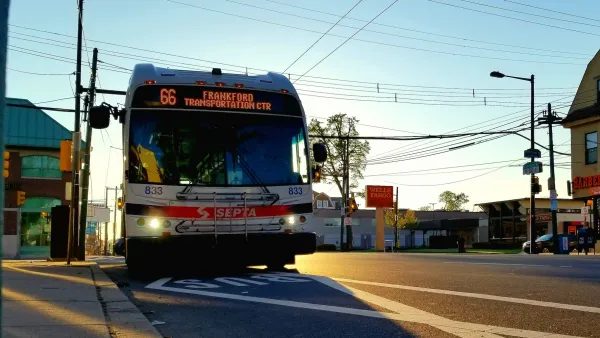
SEPTA's bus-mounted lane enforcement cameras cut travel times by up to 6%
The AI-assisted cameras have issued nearly 200,000 citations to drivers blocking bus lanes.

Planetizen Federal Action Tracker
A weekly monitor of how Trump’s orders and actions are impacting planners and planning in America.

Eastern Nebraska is running out of electricity
Data centers and electrification are straining eastern Nebraska’s grid, throttling economic development.

Move over, LA: St. Louis gears up for Olympics, invests millions in downtown redevelopment
The Missouri city will host the 2028 Olympic soccer group stage and knockout matches.

Dallas releases zoning code overhaul to officials
The drafted overhaul is over 400 pages long.

NYC renovations for dangerous, ‘mercilessly crammed’ street delayed until 2027
Construction was supposed to begin this fall.

San Diego’s Midway Rising project gets greenlight from city council
The project looks to become the largest affordable housing development in California's history.

FREE Course: Walkable City 1: Why Walkability?
After describing his path towards focusing on walkability as the essence of good planning, Jeff Speck marches through his five principal reasons for making more walkable places.
Reinventing Malls: Planning Alchemy—Turning Gray Fields Into Gold
The course focuses on the opportunities and imperatives that shape reinvention of mall sites.


City of Rosemead
Rutgers University, Edward J. Bloustein School of Planning and Public Policy
One Hundred Miles
University of Michigan School for Environment and Sustainability (SEAS)
Hunter College, City University of New York (CUNY)
The Architects Foundation
City of Cambridge
The Pocatello Development Authority
The Urban Renewal Agency of the City of Pocatello