The city of Pittsburgh is celebrating the conveyance of 660 acres of property known as Hays Woods. The property will one day become the largest park in the city.



"A 660-acre site that once was to be the home of a thoroughbred horse racing track, a casino, a hotel, restaurants and other development now will become the largest park in Pittsburgh," reports Mark Belko.
"Pittsburgh Development Group II, the site owner, is conveying the entire property, including mineral rights, to the city, which plans to use most of it for a park. A small portion also might be used for residential development," adds Belko.
The article presents the donation of the property, which includes streams, valleys, and even a waterfall, as a historic event for the city. The city plans "to work with foundations, conservation and environmental groups to secure a conservation easement to protect the land." The mineral rights included in the conveyance mean "the city can prevent drilling for oil or gas on the site."
In follow-up coverage, Diana Nelson Jones tours the site as it currently exists, before it begins to take shape in the imagination and the reality of Pittsburgh. According to Nelson Jones, the property is known currently as the Hays Woods, and "it’s a wild, overgrown uphill, downhill of deep woods, meadows, cliffs, views, deer scat, darting birds, dragonflies, butterflies, knotweed, old trees, junk trees and wetlands of reeds, rushes and cattails."
The Hays Woods are perhaps most well known for its Bald Eagle's nest, which is visible in real-time on PixController's webcam.
Read the full story: Hundreds of acres in Pittsburgh's Hays section to be used as city park

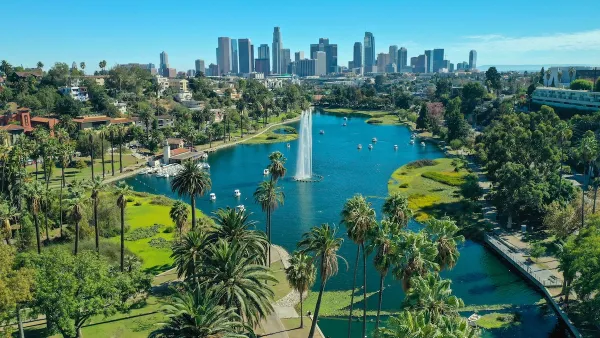
A Historic Investment in LA County’s Parks and Open Spaces
Los Angeles County has launched its largest-ever competitive grant program, investing $58 million to expand park access, enhance climate resilience, and support community-driven projects in the areas that need them most.
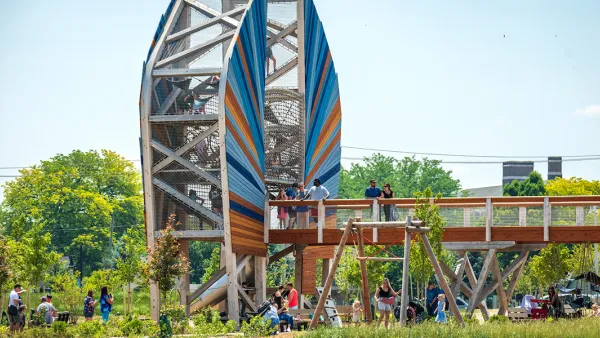
Innovative Park Agencies Receive National Recognition
The National Recreation and Park Association (NRPA) recently announced the recipients of this year’s awards for innovation in health and wellness, equity, conservation, and park design.
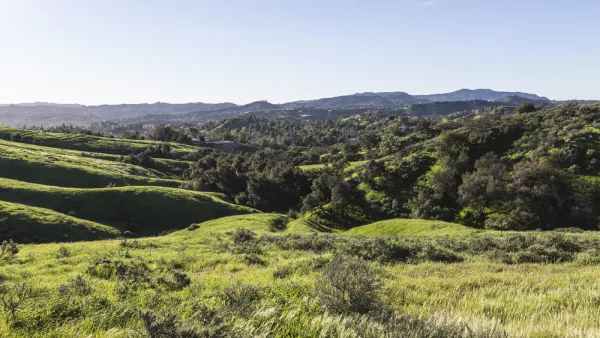
Regenerating and Healing Land Through Parks
Through thoughtful planning and restoration efforts, parks can help heal degraded land, meeting multiple community needs, improving soil quality, restoring native vegetation, and creating habitats for wildlife.

Planetizen Federal Action Tracker
A weekly monitor of how Trump’s orders and actions are impacting planners and planning in America.

Amtrak, CN end decades-long dispute with eight-year agreement
The new operating agreement establishes an updated framework for the companies to work together, including processes to resolve disputes.

Judges permit Denver to divert 77,000 acre feet from the Colorado River for reservoir expansion
Overuse and climate change have caused the Colorado River’s water levels to plummet.

NYC DOT wants faster, more permanent street upgrades
The city is examining ways to build more concrete infrastructure without getting entangled in 'decades-long' projects.

'Something we’ve never seen before:' rising utility rates could strain city finances nationwide
Data centers, climate change and other factors have caused utility rates in the United States to increase by 38% since 2020.

Trump to overrule local leaders, lease millions of acres of America’s Pacific Island territories’ seafloors to mining companies
International law says that the Indigenous people of America’s territories have a right to prior and informed consent regarding projects that impact their countries.

FREE Course: Walkable City 1: Why Walkability?
After describing his path towards focusing on walkability as the essence of good planning, Jeff Speck marches through his five principal reasons for making more walkable places.
Reinventing Malls: Planning Alchemy—Turning Gray Fields Into Gold
The course focuses on the opportunities and imperatives that shape reinvention of mall sites.

Harvard University Graduate School of Design
KFH Group Inc.
Greater Baltimore Committee
The Architects Foundation
University of Cincinnati Online
The Pocatello Development Authority
The Urban Renewal Agency of the City of Pocatello