The massive and controversial Tideflats methanol plant proposal will no longer trouble environmentalists in the Pacific Northwest.


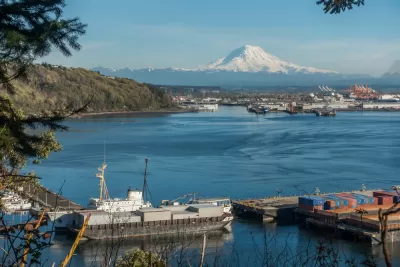
[Updated 4/25/2016] "A proposal to build the world’s largest methanol plant at the Port of Tacoma is dead," reports Kate Martin.
Amid widespread public criticism of the project and several port commissioners’ signals it had lost their support, the China-backed company behind the $3.6 billion project on the former Kaiser smelter site said Tuesday it had canceled the proposal, just days ahead of a key port vote on its lease.
Martin's coverage of the news includes quotes from the president of Northwest Innovation Works, the company behind the failed proposal, as well as local and state politicians that debated the project. Opposition to the proposal originated from the environmental community. One interesting result of the project is an ongoing political movement by the Save Tacoma Water environmental organization "to have voters create requirements on new high-demand uses of water remains in progress…"
[The headline of this post was corrected.]
Read the full story: Tacoma methanol project canceled

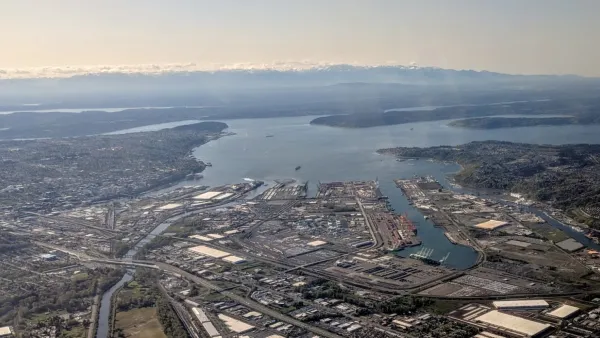
Tacoma Setting Land Use Barriers for Fossil Fuel
Even with a year-long halt on new projects, the city is grappling with plans for industrial land use.
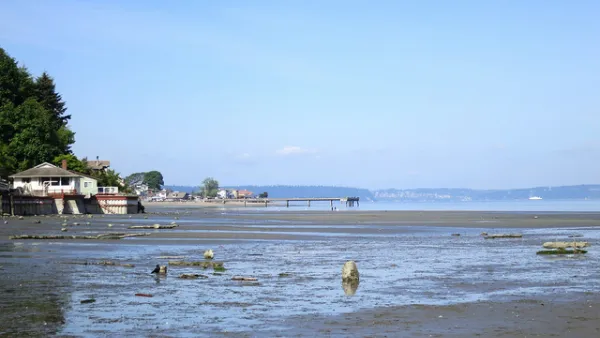
A Concerning Lack of Tribal Participation in Tacoma Tidelands Planning
The editors of the Tacoma Weekly speculate that someday governments might uphold their agreements. They don't expect the Tacoma Tideland sub area plan to be one of those times.
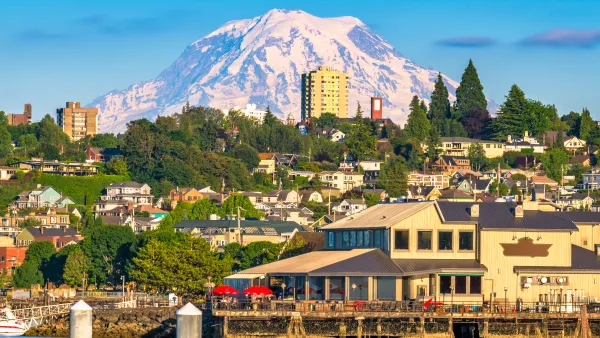
Tacoma sees 62% spike in units permitted after drastic 'Home in Tacoma' rezone
The new zoning allows for backyard buildings, courtyard housing, multiplexes, "houseplexes" and rowhouses, with a minimum of four units allowed on any lot.

Planetizen Federal Action Tracker
A weekly monitor of how Trump’s orders and actions are impacting planners and planning in America.

‘Going backwards:’ Baltimore mayor, students rally against state's transit funding plan
Maryland's proposed six-year plan provides no funding for Baltimore’s BMORE bus program and reduces its road maintenance funding.

Detroit to transform waterfront with $2.2 billion investment
Developers will convert about 18 acres of unused parking lot space into civic spaces.

A 3D concrete printer may solve Virginia’s housing crisis
The printer is able to build concrete walls much faster than humans, and can do so directly at job sites.

Newsom vetoes high-speed rail supervision bill after agency receives condemnatory audit
The audit found the CHSRA approved almost $600,000 in unallowable travel expenses.

Nation sees first electric plane-boat hybrid take off in public demo
The Viceroy Seaglider can fly at speeds of 180mph for up to 180 miles.

FREE Course: Walkable City 1: Why Walkability?
After describing his path towards focusing on walkability as the essence of good planning, Jeff Speck marches through his five principal reasons for making more walkable places.
Reinventing Malls: Planning Alchemy—Turning Gray Fields Into Gold
The course focuses on the opportunities and imperatives that shape reinvention of mall sites.

City of Thousand Oaks
City of Wisconsin Rapids
Harvard University Graduate School of Design
The Architects Foundation
University of Cincinnati Online
Northern Illinois Transit Authority (NITA)
The Pocatello Development Authority
The Urban Renewal Agency of the City of Pocatello