The recent thaw in U.S. relations with Cuba, as well as President Obama's visit last month, have spurred conversations about Havana's future. Its public spaces are worn, but they're busy and well-designed.


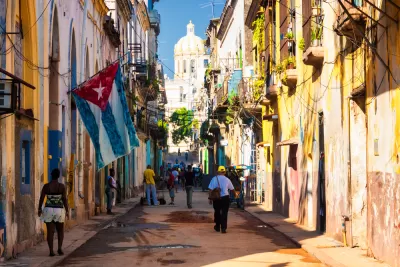
In 2006, Ethan Kent visited Havana, Cuba to investigate the city's unique public spaces and how residents use them. This image-filled article by Project for Public Spaces collects some of his observations. They include:
- Children and youth play in the streets freely, without fearing death by classic Ford or Chevrolet.
- "[Public] markets play an especially important role here creating jobs and supporting a major portion of the food system that is otherwise somewhat fragile. But beyond the very common markets and food stands, there is not a strong retail economy."
- "A system of small parks and squares, while not always beautiful and polished, are points of pride, sociability, and comfort."
- Wide, well-used boulevards rival those of Europe.
- "[The] waterfront is clearly one of the city's greatest assets and already an identifying icon, but the public spaces along the waterfront need the most improvement."
Havana has the "bones" of a great pedestrian city, but will foreign investment build on those assets, or destroy them?
Read the full story: Havana's Public Spaces

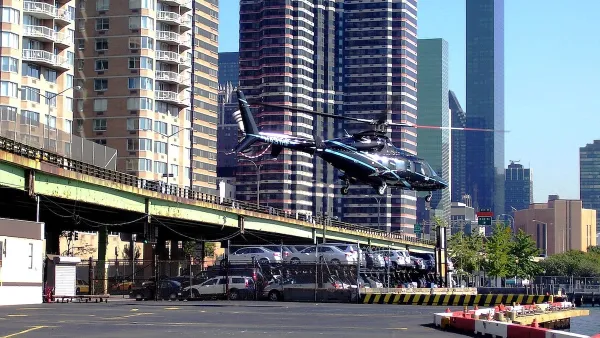
Manhattan Waterfront Parking Lot to Become Public Park
A lot that has served as parking for decades will add a much-needed public amenity to the East River waterfront.
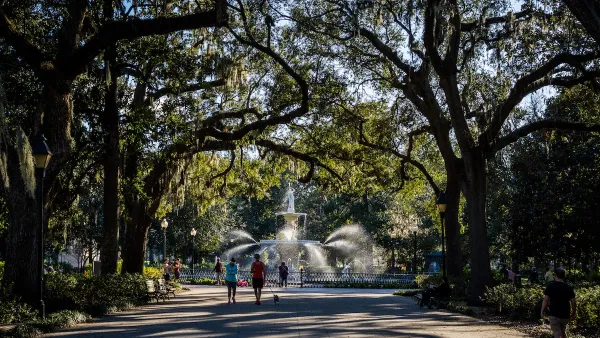
Survey: US Public Spaces Not Meeting Community Needs
A lack of funding prevents many U.S. parks and public spaces from playing a more significant role in helping residents meet daily needs.
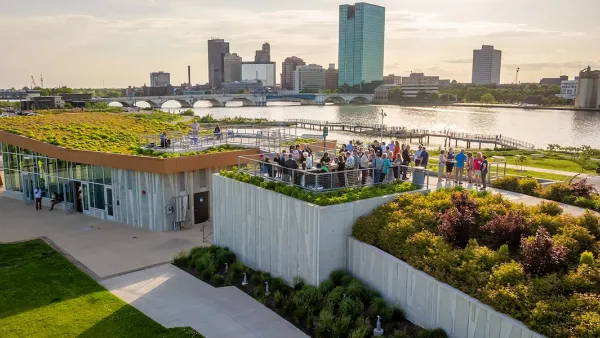
The Glass City’s Riverfront Sparkles with Promise
How Toledo is transforming its waterfront into a beloved community space.

Planetizen Federal Action Tracker
A weekly monitor of how Trump’s orders and actions are impacting planners and planning in America.

Amtrak, CN end decades-long dispute with eight-year agreement
The new operating agreement establishes an updated framework for the companies to work together, including processes to resolve disputes.

Judges permit Denver to divert 77,000 acre feet from the Colorado River for reservoir expansion
Overuse and climate change have caused the Colorado River’s water levels to plummet.

NYC DOT wants faster, more permanent street upgrades
The city is examining ways to build more concrete infrastructure without getting entangled in 'decades-long' projects.

'Something we’ve never seen before:' rising utility rates could strain city finances nationwide
Data centers, climate change and other factors have caused utility rates in the United States to increase by 38% since 2020.

Trump to overrule local leaders, lease millions of acres of America’s Pacific Island territories’ seafloors to mining companies
International law says that the Indigenous people of America’s territories have a right to prior and informed consent regarding projects that impact their countries.

FREE Course: Walkable City 1: Why Walkability?
After describing his path towards focusing on walkability as the essence of good planning, Jeff Speck marches through his five principal reasons for making more walkable places.
Reinventing Malls: Planning Alchemy—Turning Gray Fields Into Gold
The course focuses on the opportunities and imperatives that shape reinvention of mall sites.

Harvard University Graduate School of Design
KFH Group Inc.
Greater Baltimore Committee
The Architects Foundation
University of Cincinnati Online
The Pocatello Development Authority
The Urban Renewal Agency of the City of Pocatello