Madrid, already famous for deciding to impose stringent limitations on driving, has a plan to blanket the city in green to increase its resilience to the effects of climate change.


"In Madrid, pretty much every unused space will soon be covered in plants," according to an article by Adele Peters.
The details of a wide-ranging and ambitious plan:
The city is spending millions to expand existing parks, and as many roofs and walls will be covered with greenery as possible. Twenty-two vacant lots will be turned into urban gardens. Paved squares will become parks that can suck up rainfall. Near the river that runs through the middle of the city—where a major highway was torn down in 2003—the city is spending over $4.3 million to finish filling in the banks with trees.
Cars will also no longer be welcome on some of the center city's streets, allowing planned space for linear parks as well.
The plan addresses one of the key buzzword surrounding planning and cities in recent years: resilience. Already, Madrid has felt the heat of increasing temperatures and decreasing rainfall. Peters explains in more detail how each of these landscaping projects can improve quality of life as the city faces the new threats brought about by climate change.
Read the full story: Madrid Is Covering Itself In Plants To Help Fight Rising Temperatures


In a Warmer, Wetter and More Disaster-prone World: “Nature is the Greatest Designer”
A conversation with the American Society of Landscape Architects’ CEO Torey Carter-Conneen and board president Kona Gray.
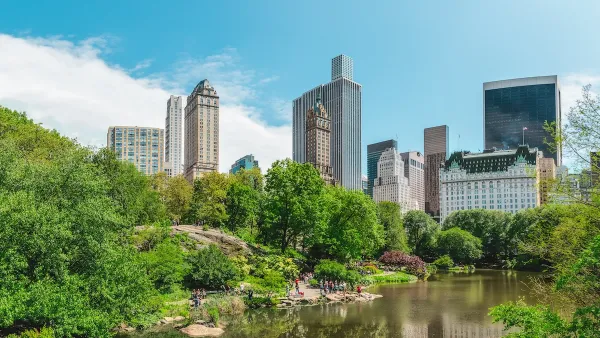
Public Parks as Climate Resilience Tools
Designed with green infrastructure, parks can mitigate flooding, reduce urban heat, and enhance climate resilience, offering cost-effective solutions to environmental challenges while benefiting communities.
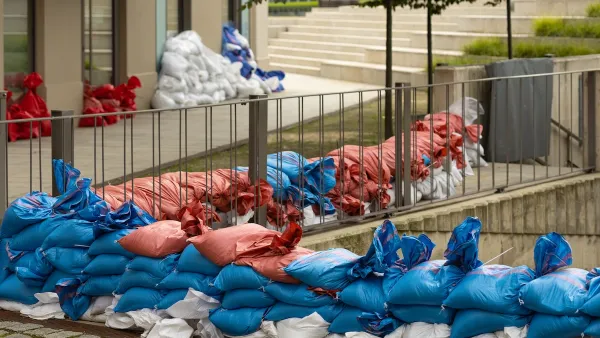
How US Communities Are Building Resilience Against Flooding
Flooding causes over $400 billion in damage in the United States every year.

Planetizen Federal Action Tracker
A weekly monitor of how Trump’s orders and actions are impacting planners and planning in America.
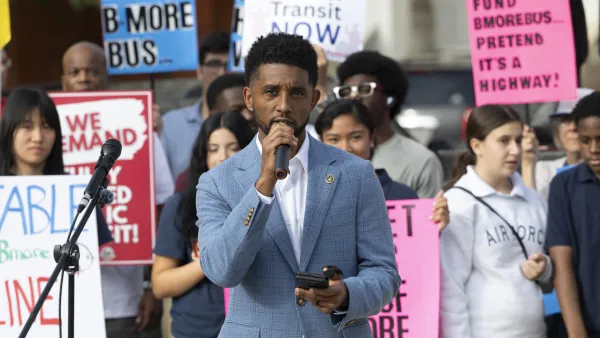
‘Going backwards:’ Baltimore mayor, students rally against state's transit funding plan
Maryland's proposed six-year plan provides no funding for Baltimore’s BMORE bus program and reduces its road maintenance funding.
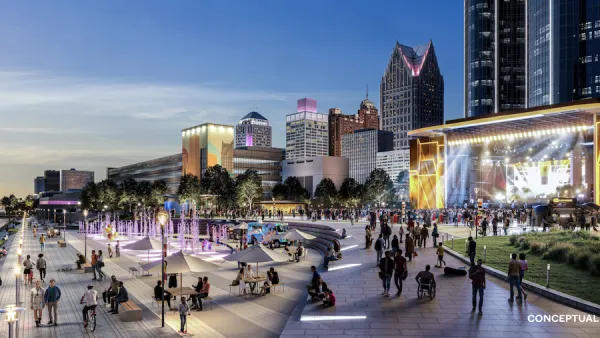
Detroit to transform waterfront with $2.2 billion investment
Developers will convert about 18 acres of unused parking lot space into civic spaces.

Data center developers are using lawsuits, cash offers to ‘overwhelm’ rural America
Newsrooms in five states worked together to uncover the tactics big tech developers use to buy land from reluctant communities.

U.S.-Iran war may have ‘devastating’ impact on cost to warm homes
Vermont and Maine residents may see a 76% increase in the cost of warming their homes this winter.

Senate bill would ‘overhaul’ environmental permitting laws
Under the proposed act, government agencies would also not be able to suspend or rescind permits after granting them.

FREE Course: Walkable City 1: Why Walkability?
After describing his path towards focusing on walkability as the essence of good planning, Jeff Speck marches through his five principal reasons for making more walkable places.
Reinventing Malls: Planning Alchemy—Turning Gray Fields Into Gold
The course focuses on the opportunities and imperatives that shape reinvention of mall sites.

One Hundred Miles
County of Mendocino
planning NEXT
The Architects Foundation
University of Cincinnati Online
Montrose County
Northern Illinois Transit Authority (NITA)
The Pocatello Development Authority