The D.C. Zoning Commission last week approved a new zoning code for the nation's capital. The new code will go into effect in September.


"Last week, the D.C. Zoning Commission quietly approved an overhaul of the existing zoning code," according to an article by Martin Austermuhle, "bringing to an end proceedings that began in 2007, spanning three mayoral administrations and involving hundreds of residents and stakeholders in dozens upon dozens of public meetings."
After setting the context for the process to create the new zoning code (the city's old code was created in 1958, though changes made since then made the code confusing, according to some observers), the article digs into the significant changes included in the new zoning code. Austermuhle notes the following provisions in the new code: more permissive use of accessory dwelling units, lower parking requirements, more corner stores in residential neighborhoods, and multiple other use designation changes around the city.
The article concludes by digging into the causes behind the zoning code updates long, laborious process.
Read the full story: D.C. Has A New Zoning Code. Here's How It Could Change The City's Look And Feel
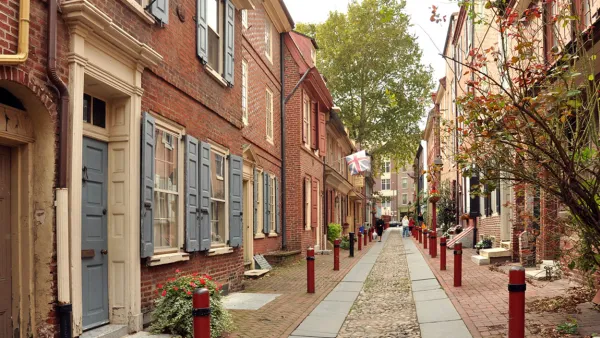
Philadelphia Planning Commission Approves ADU Bill
The commission recommended a trio of bills focused on historic preservation, including one that would permit accessory dwelling units on historic properties.
Washington D.C.'s Zoning Code Update Finally Progressing
Washington D.C.'s long deliberated and closely watched zoning code update is moving forward, and supporters of progressive land use regulations have reason to be encouraged.
Six Years Later—More Revisions for Washington D.C.'s Zoning Code Update
None of the original team that began working on Washington D.C.'s zoning code update are still working on the project. Much has changed in the six years that have expired.

Planetizen Federal Action Tracker
A weekly monitor of how Trump’s orders and actions are impacting planners and planning in America.

Eastern Nebraska is running out of electricity
Data centers and electrification are straining eastern Nebraska’s grid, throttling economic development.

Study reveals best places in the U.S. for cycling, walking
New research from Streetlight Data examines bicycle and pedestrian miles per capita in the 100 largest U.S. cities by population.

Federal government nominates new FTA administrator
Mark Aesch is currently the founder and CEO of a transportation management consulting firm.

Developers reveal $10 billion stadium plan as ‘Hail Mary’ to keep Bears in Chicago
The plan would also boast a public park, high- and mid-rise buildings and a youth sports complex.

As Texas embraces carbon storage, a Black community questions the risks
Texas now issues permits for companies to store carbon dioxide underground. East Texas residents fear safety risks, and skeptics doubt the climate benefits.

FREE Course: Walkable City 1: Why Walkability?
After describing his path towards focusing on walkability as the essence of good planning, Jeff Speck marches through his five principal reasons for making more walkable places.
Reinventing Malls: Planning Alchemy—Turning Gray Fields Into Gold
The course focuses on the opportunities and imperatives that shape reinvention of mall sites.

City of Charlotte
City of Rosemead
Rutgers University, Edward J. Bloustein School of Planning and Public Policy
University of Michigan School for Environment and Sustainability (SEAS)
Hunter College, City University of New York (CUNY)
The Architects Foundation
City of Cambridge
The Pocatello Development Authority
The Urban Renewal Agency of the City of Pocatello