Residents of Staten Island suffer from very long commutes, and many rely on cars. The New York City Council has proposed a study to determine how additional transit could be implemented in the borough.


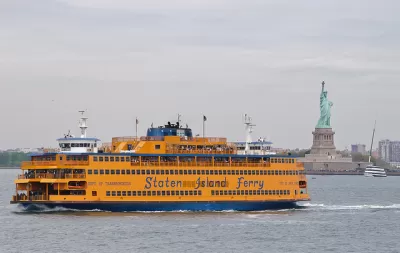
The comprehensive study, to be conducted by the Department of Transportation, would examine neighborhoods like Mariners Harbor. These 'transportation deserts' are "marked by a dearth of transit options and lower median incomes compared to other parts of the city."
Increasing access to transit on Staten Island is one segment of Mayor Bill de Blasio's OneNYC plan. "The city aims to ensure 90 percent of residents can reach at least 200,000 jobs by transit within 45 minutes by 2040. Mariners Harbor is the only Staten Island neighborhood considered a 'priority area' where lack of public transit affects economic status."
Light rail and bus rapid transit are both on the table. From the article: "Another measure would require the agency to determine the feasibility of building a light rail system in the five boroughs [...] But the city thinks both these reviews should be incorporated into an upcoming study on bus rapid transit mandated by the Council in April."
Read the full story: City pitches study on 'transportation deserts'
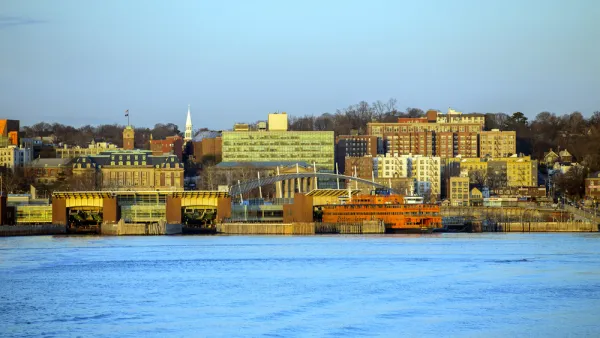
New York City's First Outlet Mall Still a 'Ghost Town'
Perched on the northeastern tip of Staten Island next to the ferry terminal, Empire Outlets has only filled 26 of its 75 storefronts since a grand opening in May.
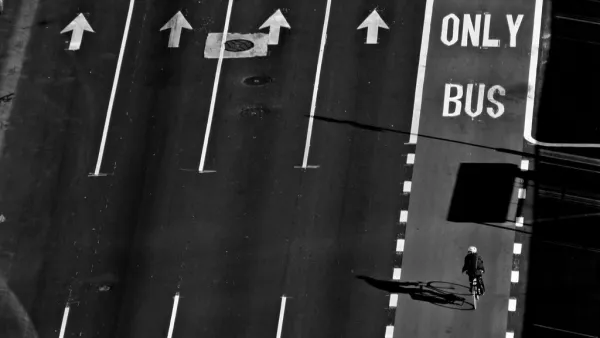
More Bus Lane Cameras Coming to N.Y.C.
New state legislation will allow the city to expand the network of cameras and step up enforcement.
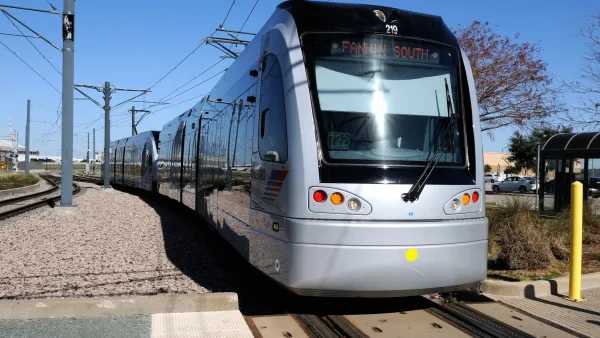
What Makes a Transit System Great in the U.S.
Transit should make people's lives better, with density a key component of successful systems.

Planetizen Federal Action Tracker
A weekly monitor of how Trump’s orders and actions are impacting planners and planning in America.

Washington state to charge fee to drivers with fuel-efficient cars
Revenue from the fee will go towards supporting the state’s highways.

Illinois considers spending $1 billion in taxpayer money on data center
A quantum computing campus and data center are currently under construction in Chicago.

Senate passes bill overhauling permitting
The bill still needs to pass the House.

Did data centers change how voters cast their ballots?
Texas, Ohio, and Georgia all flipped party control. But in rural counties, the effect of local data centers was mixed.

Amtrak invests in eight new Airo trainsets
The new trainsets will begin serving passengers in 2031.

FREE Course: Walkable City 1: Why Walkability?
After describing his path towards focusing on walkability as the essence of good planning, Jeff Speck marches through his five principal reasons for making more walkable places.
Reinventing Malls: Planning Alchemy—Turning Gray Fields Into Gold
The course focuses on the opportunities and imperatives that shape reinvention of mall sites.

City of Charlotte
City of Rosemead
Rutgers University, Edward J. Bloustein School of Planning and Public Policy
University of Michigan School for Environment and Sustainability (SEAS)
Hunter College, City University of New York (CUNY)
The Architects Foundation
University District Partnership