Perched on the northeastern tip of Staten Island next to the ferry terminal, Empire Outlets has only filled 26 of its 75 storefronts since a grand opening in May.


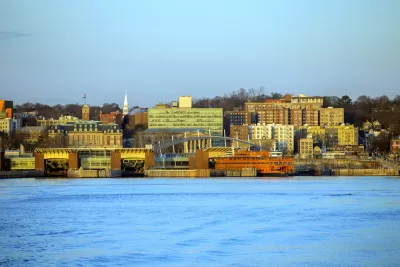
Empire Outlets has been in the works for seven years and costed $350 million, Clifford Michel reports. Staten Island officials touted the project as part of a "North shore renaissance." But despite opening in May, parts of New York City's first outlet mall remain "like a ghost town," according to one Canadian visitor.
"Empire was initially supposed to be anchored by Lighthouse Point — a $200 million mixed-use development — and a giant Ferris wheel, but that nearly $1 billion project fell apart in 2018 due to cost overruns," Michel writes.
The project's backers remain optimistic. Staten Island business owners say few residents or tourists paid the neighborhood much attention before Empire Outlets. The 340,000-square-foot mall was built to change that, featuring expansive views of Manhattan, Brooklyn, and New Jersey.
According to a spokesperson for Empire Outlets, most of the shops are under lease. The timeline for their opening remains unclear. In the meantime, elected officials want to give the mall time, trusting the investment will pay off over the longer haul.
FULL STORY: Three Months In, City's First Outlet Mall Is Barely One-Third Full

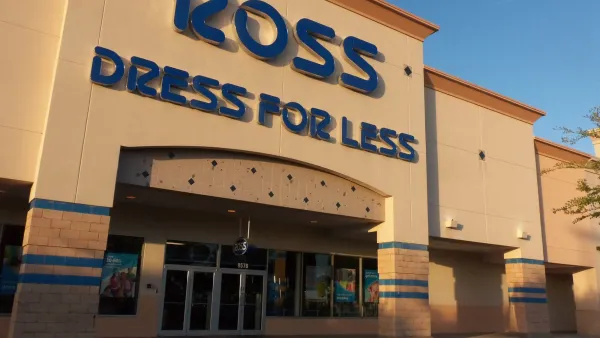
Ross May Be Immune from the Amazon Effect
Ross Stores continues its expansion in the face of a much-foretold retail apocalypse. The shopping experience it provides may be one reason it can stand up to Amazon.
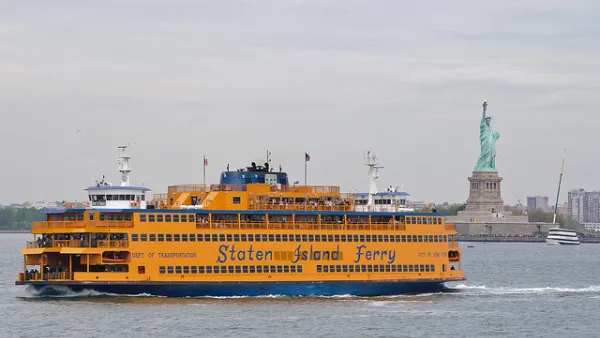
Study to Address Staten Island Transportation Deserts
Residents of Staten Island suffer from very long commutes, and many rely on cars. The New York City Council has proposed a study to determine how additional transit could be implemented in the borough.
Nation's Most Expensive Bridge Crossing Turns 50
Perhaps known more for high tolls than beauty, the Verrazano Narrows bridge turned 50 on November 21. Staten Islanders expected the high tolls to end when the bridge was paid for.

The state-sanctioned urbicide of Austin
People don’t kill cities. Freeways do.

US to reduce Colorado River water deliveries to Mexico
A new Colorado Treaty amendment reduces Mexico’s Colorado River water allocation by 250,000 acre feet.

New Jersey’s second-largest city bans standalone data centers
Jersey City will continue to allow co-location facilities, such as those meant for research institutions that store their own data.

Amtrak not solely to blame for New Jersey commuter rail's unreliability, report finds
A new study from the Garden State Initiative found that NJ Transit’s budget grew 20% across a 4 year period, but reliability declined significantly over the same period.

EPA erases limits on planet-warming pollution from power plants
Under Monday’s plan, power plants would still have some limits on how much mercury, arsenic and other contaminants they can emit.

Phoenix announces new on-demand transit service, more frequent RAPID buses
Both new services will launch in October, and are part of Phoenix's Project Effective Access Solutions for Easing Congestion.

FREE Course: Walkable City 1: Why Walkability?
After describing his path towards focusing on walkability as the essence of good planning, Jeff Speck marches through his five principal reasons for making more walkable places.
Reinventing Malls: Planning Alchemy—Turning Gray Fields Into Gold
The course focuses on the opportunities and imperatives that shape reinvention of mall sites.

Eagle County Government
Harvard University Graduate School of Design
Nashville Planning Department
The Architects Foundation
University of Cincinnati Online
The Pocatello Development Authority
The Urban Renewal Agency of the City of Pocatello
Journal of the American Planning Association