Mansionization, that conspicuous manifestation of the demand for larger homes, is alive and well in Seattle.


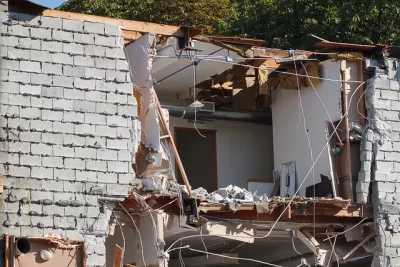
Gene Balk reports on the rate at which Seattle landowners are tearing down homes and replacing them with newer, much larger models.
According to data from the King County assessor " from 2012 through 2014, more than 1,500 houses were torn down and replaced with something larger — typically at least twice the size." Moreover, 450 of those homes were replaced with a new home at three times the size of the original home.
Balk credits the wave of mansionization to a lack of "unaffordable" housing in the city. That is, "[i]n our increasingly affluent region, there’s growing demand for spacious, amenity-laden new houses, particularly in prime locations on the Eastside and in parts of Seattle. But the existing housing stock in these established neighborhoods is often characteristic of a more modest era — small prewar cottages and midcentury ramblers."
The article includes some heat maps to show where the teardowns are occurring most frequently around town as well as a samples of comparison photos to show how the houses, and blocks, looked before and after renovations.
Read the full story: Teardown town: 1,500 small houses replaced by giants since 2012
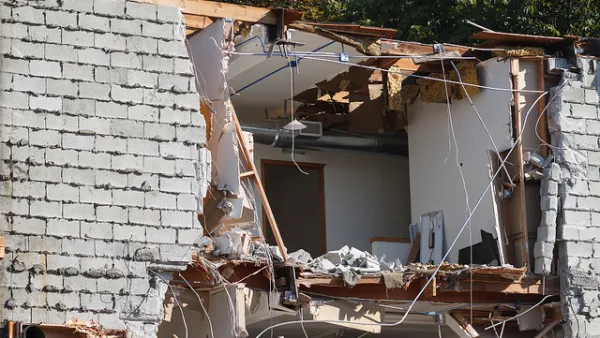
Heady Market in Chicago's North Side Drives Teardowns
Lakeview, located north of Lincoln Park and adjacent to Lake Michigan, leads the city by a wide margin in residential teardowns over the past five years. Local developers are selling new homes for four times the original price paid.

Luxury Condos, Not Luxury Single-Family Homes, Take the Blame in the Affordability Debate
An article in The Urbanist suggests the ire over new developments is misplaced.
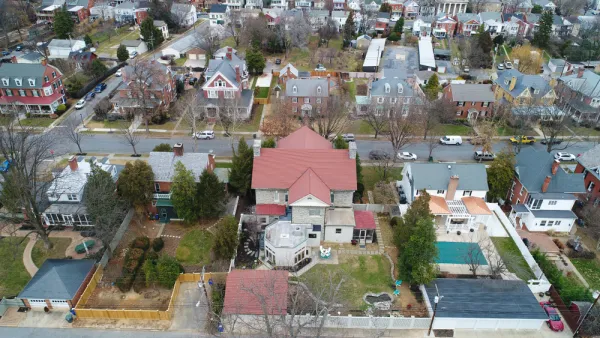
McMimpact Fee Proposed
Should there be an extra fee for property owners who tear down an existing single-family home and replace it with a much larger, more expensive single-family home?

Planetizen Federal Action Tracker
A weekly monitor of how Trump’s orders and actions are impacting planners and planning in America.

California plans to bury El Niño’s downpour
If the state plays its cards right, it may be able to store a billion acre-feet of El Niño’s water in aquifers.

Desperate measures: Advocates weigh draining Lake Powell to fill Colorado River
Draining the reservoir could reduce evaporation losses by a couple hundred thousand acre-feet.

Chicago voters approve permanent festival grounds, penalty for vacant property owners
Currently, major summer and fall festivals take over public parks for weeks at a time, drawing criticism from nearby residents

NYC votes to cut outdoor dining red tape, speed up permitting
New York City also voted to allow the Department of Transportation to begin work on urgent projects before notifying elected officials.

California appears to reject Prop. 45
The proposition would have expanded the projects that qualify for a streamlined environmental review, effectively paring down the California Environmental Quality Act.

FREE Course: Walkable City 1: Why Walkability?
After describing his path towards focusing on walkability as the essence of good planning, Jeff Speck marches through his five principal reasons for making more walkable places.
Reinventing Malls: Planning Alchemy—Turning Gray Fields Into Gold
The course focuses on the opportunities and imperatives that shape reinvention of mall sites.

City of Rosemead
Rutgers University, Edward J. Bloustein School of Planning and Public Policy
One Hundred Miles
Hunter College, City University of New York (CUNY)
The Architects Foundation
University of Cincinnati Online
City of Cambridge
Montrose County
The Pocatello Development Authority