The neighborhood of Homewood in Pittsburgh, PA is poised is poised for new investment but is still far from a gentrification tipping point. A proposed "cluster plan" walks a fine line for the neighborhood's future.


Diana Nelson Jones reports on the cluster planning effort currently underway in the neighborhood of Pittsburgh. The cluster plan is so called because of the neighborhood's large size, comprised of ten segments defined by city residents.
Operation Better Block, based in Homewood, launched an outreach process in January 2014 to generate ideas about each of the segments. According to Nelson Jones, "OBB released its plan in November intending for it to be Homewood’s direction to developers, the city and the Urban Redevelopment Authority."
Nelson Jones invests substantial word count in describing the intentions and mechanisms of the proposed cluster plan, while also digging into a few of the guiding principles enunciated in the plan. For instance, Nelson Jones notes a specific item among the plan's "Community Development Principles": "People who live in Homewood get to stay here." A simple statement, of course, but the cluster plan must wrestle with the challenges of attracting the right kind of investment—when some kinds of investment, or lack thereof, can easily send a neighborhood astray from that goal.
Read the full story: Diana Nelson Jones' Walkabout: Developing Homewood, and keeping it Homewood

Pittsburgh Revitalization Plans Stuck on Blight
The Pittsburgh Post-Gazette recently published an investigation of the city's efforts to buy and rehabilitate vacant properties in the troubled neighborhood of Homewood.
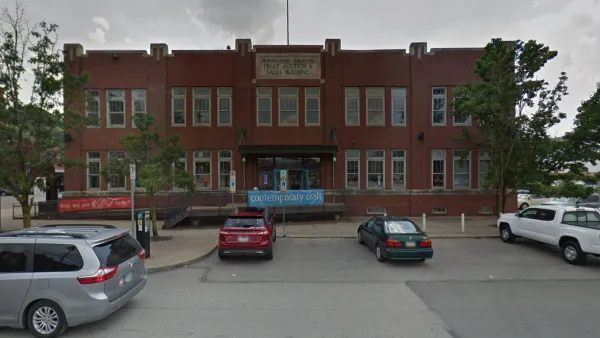
Tax Increment Financing a Possibility for Big Pittsburgh Redevelopment Project
A $125 million adaptive reuse project is looking for help with infrastructure improvements. Pittsburgh's Urban Redevelopment Authority is considering tax increment financing to fund street improvements.
Pittsburgh Project Could Include Corridor for Driverless Vehicles
A massive redevelopment project moving forward in Pittsburgh would provide in-demand office and tech space near local universities. An innovative transportation infrastructure project could be a part of the deal.

Desperate measures: Advocates weigh draining Lake Powell to fill Colorado River
Draining the reservoir could reduce evaporation losses by a couple hundred thousand acre-feet.

Eastern Nebraska is running out of electricity
Data centers and electrification are straining eastern Nebraska’s grid, throttling economic development.

Malls are becoming the midtowns of the future
Mall and office park redevelopments are a generational opportunity to create new nodes of urbanity.

Officials claim feds 'rushed' Amtrak environmental review
Amtrak plans to move their Chicago maintenance facility from an industrial area to a residential one.

NYC breaks ground on anti-flooding infrastructure project
New York City's new system will reduce stormwater flows to local sewers by 90%.

One Kentucky town’s secret to affordable housing
The Smoketown Community Land Trust has already built seven affordable homes for community members.

FREE Course: Walkable City 1: Why Walkability?
After describing his path towards focusing on walkability as the essence of good planning, Jeff Speck marches through his five principal reasons for making more walkable places.
Reinventing Malls: Planning Alchemy—Turning Gray Fields Into Gold
The course focuses on the opportunities and imperatives that shape reinvention of mall sites.

City of Rosemead
Rutgers University, Edward J. Bloustein School of Planning and Public Policy
One Hundred Miles
University of Michigan School for Environment and Sustainability (SEAS)
Hunter College, City University of New York (CUNY)
The Architects Foundation
City of Cambridge
Montrose County
The Pocatello Development Authority