The Emerald City's affordable housing difficulties mirror those of New York, Chicago, Los Angeles, San Francisco, and others: too much demand and too few resources.


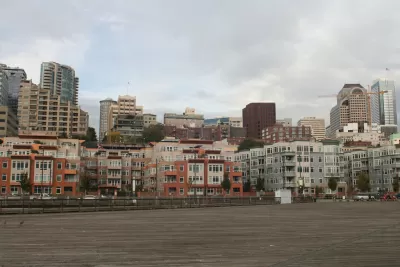
David Kroman weighs in on why affordable housing is difficult to come by in Seattle, where rents have risen out of range for lower earners. While steps have been taken to address the shortage, steadily rising prices and bureaucratic snags have exacerbated the problem.
Recently, "Mayor Ed Murray's Housing Affordability and Livability Agenda (HALA) taskforce has set out to add 20,000 affordable units over the next ten years, a two-thirds increase from Seattle's current stock." This goal is an admitted "stretch," even though it probably falls short of the city's need.
Kroman describes how affordable development plans in Seattle face opposition from NIMBYs, difficult approval processes, and a general lack of enthusiasm from profit-minded developers. Seattle's situation—vast need and limited resources—mirrors the situation of high-rent cities across the nation.
Read the full story: Why it’s so hard to build truly affordable housing in Seattle

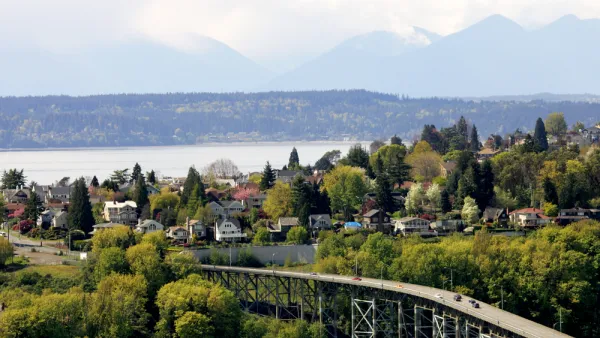
Survey: Seattle-Area Residents Support Upzoning
To fight the growing housing crisis, most King County residents support an end to single-family zoning and accelerated housing development, according to a new poll.

Tax on High Earners Proposed to Fund Homeless Services in Seattle's King County
The Washington State Legislature is proposing a type of tax that the city of Seattle tried, and failed, to implement a few years go.
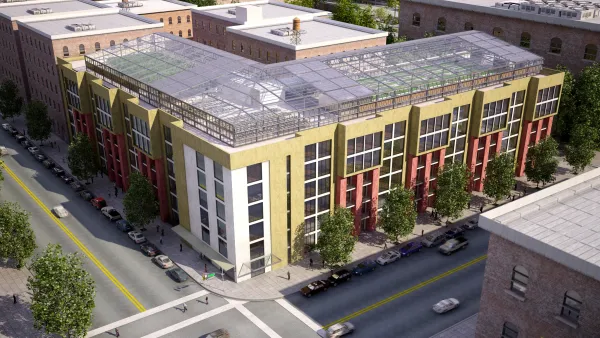
Seattle to Use Surplus Public Land for Affordable Housing
New municipal and state laws have made it possible for Seattle to sell excess land to affordable housing developers at below-market rates, or even to give it away.

Planetizen Federal Action Tracker
A weekly monitor of how Trump’s orders and actions are impacting planners and planning in America.

Amtrak, CN end decades-long dispute with eight-year agreement
The new operating agreement establishes an updated framework for the companies to work together, including processes to resolve disputes.

Judges permit Denver to divert 77,000 acre feet from the Colorado River for reservoir expansion
Overuse and climate change have caused the Colorado River’s water levels to plummet.

NYC DOT wants faster, more permanent street upgrades
The city is examining ways to build more concrete infrastructure without getting entangled in 'decades-long' projects.

'Something we’ve never seen before:' rising utility rates could strain city finances nationwide
Data centers, climate change and other factors have caused utility rates in the United States to increase by 38% since 2020.

Trump to overrule local leaders, lease millions of acres of America’s Pacific Island territories’ seafloors to mining companies
International law says that the Indigenous people of America’s territories have a right to prior and informed consent regarding projects that impact their countries.

FREE Course: Walkable City 1: Why Walkability?
After describing his path towards focusing on walkability as the essence of good planning, Jeff Speck marches through his five principal reasons for making more walkable places.
Reinventing Malls: Planning Alchemy—Turning Gray Fields Into Gold
The course focuses on the opportunities and imperatives that shape reinvention of mall sites.

Harvard University Graduate School of Design
KFH Group Inc.
Greater Baltimore Committee
The Architects Foundation
University of Cincinnati Online
The Pocatello Development Authority
The Urban Renewal Agency of the City of Pocatello