Washington City Paper creates a record of the many murals that have been lost to new construction and shifting demographics in neighborhoods around Washington, D.C.


"Murals that depict the history and fabric of life in the District are being literally erased, and as public works of art like the one on the Ontario Theatre disappear, so are important expressions of neighborhood identities," according to an article by Justin Lynch.
An inventory of losses: "Since 2010, seven murals in the U Street NW area have been taken down or blocked from view by new construction. Two were blocked from view by apartments or buildings next door, two were removed when the building was torn down, and three have been removed at building owner(s) requests."
The article includes specific information about the backstory of some of the murals that have been lost—many of which have backstories about police brutality or the systematic marginalization of minority populations that could have informed an understanding of contemporary experiences, had they survived. Added to the indignity of a mural depicting jazz great Duke Ellington, since 2011 "a faded advertisement has taken its place," asking passersby to "Drink Coca-Cola."
Read the full story: D.C.’s Historic Murals Are Disappearing

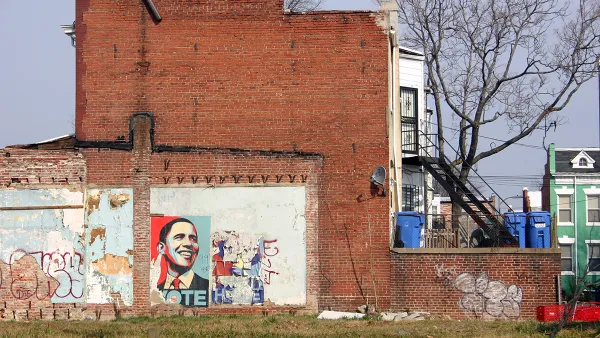
Street Artist Shepard Fairey Tackles Detroit
After billionaire landlord Dan Gilbert commissioned a mural, less-legal works in Fairey's style began showing up around the city. Detroit's case against the artist brings gentrification's ironies into focus.
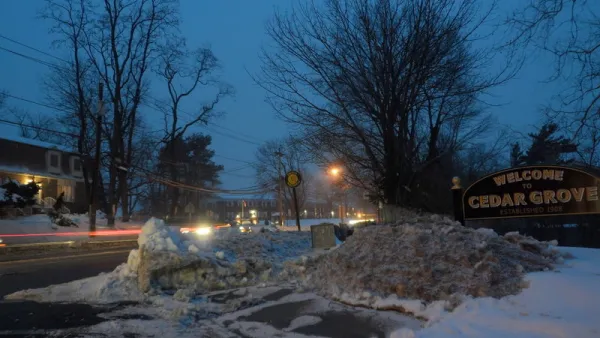
Should Murals Fall Under Sign Ordinances?
A local controversy in New Jersey has residents debating whether a city should interfere with artistic expression on private property.
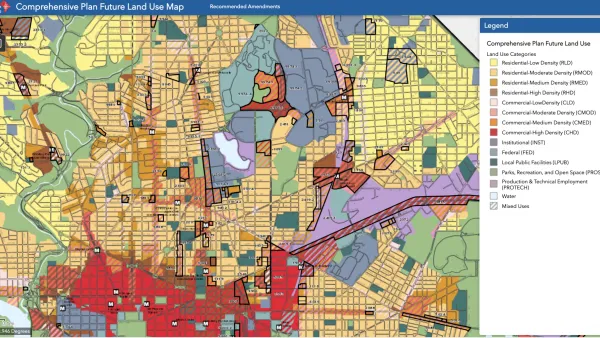
D.C. Comprehensive Plan Update Needs Equity Improvements, Report Says
The new D.C. Office of Equity has produced an evaluation of proposed changes to the D.C. Comprehensive Plan.

Planetizen Federal Action Tracker
A weekly monitor of how Trump’s orders and actions are impacting planners and planning in America.

Amtrak, CN end decades-long dispute with eight-year agreement
The new operating agreement establishes an updated framework for the companies to work together, including processes to resolve disputes.

Northwest rail fans eager for Sept. 30 debut of Amtrak’s Airo fleet
Get ready for that new train smell and more seats. But they won’t go faster or run more frequently on the Cascades route in Washington and Oregon.

Trump administration unlawfully slashed $7 billion in clean energy grants, judge rules
The Environmental Protection Agency ended the Solar For All program, which provided the grants, after President Donald Trump’s inauguration.

Record-breaking wildlife overpass in Colorado brings 91% reduction in animal collisions
Prior to the overpass, vehicles were hitting one deer per day on Colorado’s Interstate 25.

California lawmakers approve just 5% of much-needed LA28 transportation funding
State legislators appear just as unwilling as Trump to pay for Olympics-related transportation projects.

FREE Course: Walkable City 1: Why Walkability?
After describing his path towards focusing on walkability as the essence of good planning, Jeff Speck marches through his five principal reasons for making more walkable places.
Reinventing Malls: Planning Alchemy—Turning Gray Fields Into Gold
The course focuses on the opportunities and imperatives that shape reinvention of mall sites.

City of Thousand Oaks
City of Wisconsin Rapids
Harvard University Graduate School of Design
The Architects Foundation
University of Cincinnati Online
The Pocatello Development Authority
The Urban Renewal Agency of the City of Pocatello