Alana Semuels describes the structural forces that had led Cincinnati's Lincoln Heights neighborhood to the brink of extinction.



Are some cities really doomed to fail? According to Alana Semuels, "The people of Lincoln Heights might have had their own suburb, but the world made sure they had little else. From the beginning, historians say, the town was doomed to fail."
This historically black suburb in Cincinnati, Ohio is on the verge of extinction. One of the first self-governing black communities north of the Mason Dixon line, Lincoln Heights has high unemployment, poor schools, and failing infrastructure. Carl Westmoreland, professor of planning of the University of Buffalo contends that this suburb, like many others, failed because of structural inequalities that allowed other suburbs, primarily those inhabited by white residents, to prosper. The financial instability of the neighborhood has led to a decline in the sense of community once held by residents. Children are moving away for opportunities and not returning to Lincoln Heights. This gradual abandonment of the neighborhood has led to a significant decline in property values and the closure of at least one neighborhood school. In an effort to keep the neighborhood from disappearing, local civic leaders have called for consolidation and revenue sharing. It is still too soon to tell whether this proposal will take hold. It is clear, however, that vision and ingenuity will be necessary to save this neighborhood from extinction.
Read the full story: The Destruction of a Black Suburb

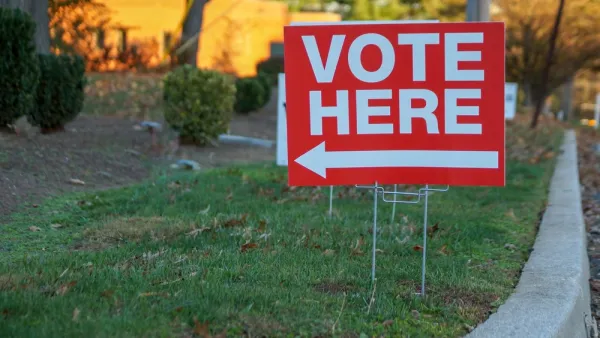
The Crucial Role of Suburban Voters in the Midterms
Suburban voters were instrumental in preventing a 'red wave' on Election Day and on December 6 in the Georgia U.S. Senate runoff election, enabling the Democrats to win a 51st Senate seat.
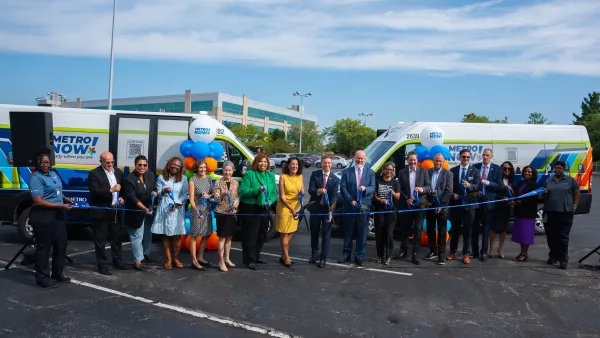
Three agencies expanding on-demand transit
Multiple states across America increasing access to flexible public transportation.

Cincinnati upzoning plan paves way for revitalized waterfront district
The city hopes to kickstart new development on five vacant lots in the riverfront entertainment district.

Planetizen Federal Action Tracker
A weekly monitor of how Trump’s orders and actions are impacting planners and planning in America.

Amtrak, CN end decades-long dispute with eight-year agreement
The new operating agreement establishes an updated framework for the companies to work together, including processes to resolve disputes.

Judges permit Denver to divert 77,000 acre feet from the Colorado River for reservoir expansion
Overuse and climate change have caused the Colorado River’s water levels to plummet.

'Something we’ve never seen before:' rising utility rates could strain city finances nationwide
Data centers, climate change and other factors have caused utility rates in the United States to increase by 38% since 2020.

Trump to overrule local leaders, lease millions of acres of America’s Pacific Island territories’ seafloors to mining companies
International law says that the Indigenous people of America’s territories have a right to prior and informed consent regarding projects that impact their countries.

A ‘shady’ deal: Chicagoans rally against planned Amtrak maintenance facility
The $900 million facility would allow Amtrak to maintain entire trains in one building, which the company says will reduce delays.

FREE Course: Walkable City 1: Why Walkability?
After describing his path towards focusing on walkability as the essence of good planning, Jeff Speck marches through his five principal reasons for making more walkable places.
Reinventing Malls: Planning Alchemy—Turning Gray Fields Into Gold
The course focuses on the opportunities and imperatives that shape reinvention of mall sites.

KFH Group Inc.
Greater Baltimore Committee
Eagle County Government
The Architects Foundation
University of Cincinnati Online
The Pocatello Development Authority
The Urban Renewal Agency of the City of Pocatello