Concerns about out-of-character construction, much of it oversized, has led the Los Angeles City Council to prohibit construction of additional 'McMansions.' In some areas, all new development will be held up for two years.


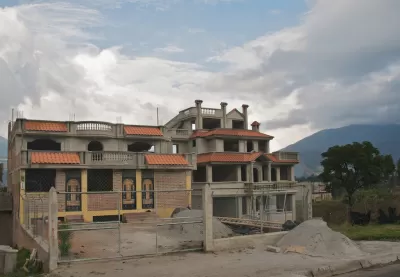
Last month, the Los Angeles City Council moved to restrict one kind of development loathed by urbanists and preservationists alike: McMansions. The Neighborhood Conservation Interim Control Ordinance, in effect for the next two years, sets limits on the size of new single-family homes in 15 neighborhoods. Five additional districts will endure a temporary ban on all building and demolition permits.
This isn't the first time Los Angeles rebuked the McMansion: "In 2008, the City Council passed the so-called 'mansionization ordinance,' which was intended to control the size of new homes in Los Angeles. But loopholes in the ordinance allowed larger homes to rise, prompting passage of Wednesday’s temporary law."
The ordinance will stem new McMansion construction—to the displeasure of some—at least until city planners release a new set of zoning codes in about 18 months.
Read the full story: No more 'McMansions’ in Los Angeles for two years, says council

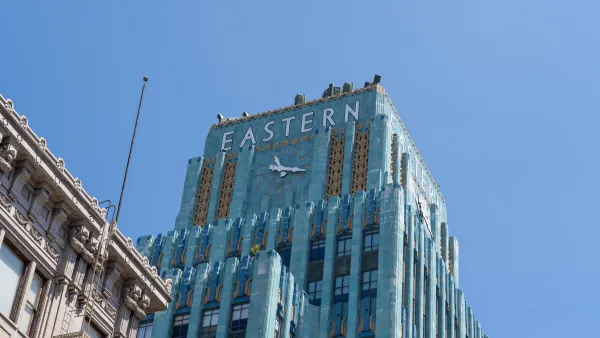
Los Angeles Reveals New Citywide Adaptive Reuse Proposal
An adaptive reuse ordinance limited to the city’s downtown core helped create roughly 12,000 units of new housing.

L.A.'s Historic CBS Campus Will Undergo Billion-Dollar Expansion
The Television City revamp will more than double the currently available space and include a multi-modal mobility hub, pedestrian improvements, and a "robust" transportation demand management program.
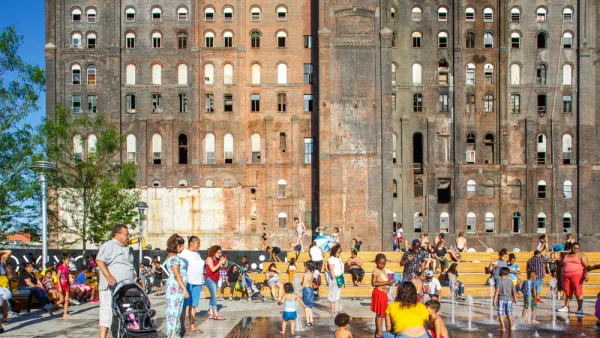
Adaptive Reuse More Popular Than Ever, Study Says
The past decade saw more old commercial buildings transformed into residential buildings than any decade previous.

Planetizen Federal Action Tracker
A weekly monitor of how Trump’s orders and actions are impacting planners and planning in America.

Amtrak, CN end decades-long dispute with eight-year agreement
The new operating agreement establishes an updated framework for the companies to work together, including processes to resolve disputes.

Judges permit Denver to divert 77,000 acre feet from the Colorado River for reservoir expansion
Overuse and climate change have caused the Colorado River’s water levels to plummet.

'Something we’ve never seen before:' rising utility rates could strain city finances nationwide
Data centers, climate change and other factors have caused utility rates in the United States to increase by 38% since 2020.

Trump to overrule local leaders, lease millions of acres of America’s Pacific Island territories’ seafloors to mining companies
International law says that the Indigenous people of America’s territories have a right to prior and informed consent regarding projects that impact their countries.

A ‘shady’ deal: Chicagoans rally against planned Amtrak maintenance facility
The $900 million facility would allow Amtrak to maintain entire trains in one building, which the company says will reduce delays.

FREE Course: Walkable City 1: Why Walkability?
After describing his path towards focusing on walkability as the essence of good planning, Jeff Speck marches through his five principal reasons for making more walkable places.
Reinventing Malls: Planning Alchemy—Turning Gray Fields Into Gold
The course focuses on the opportunities and imperatives that shape reinvention of mall sites.

KFH Group Inc.
Greater Baltimore Committee
Eagle County Government
The Architects Foundation
University of Cincinnati Online
The Pocatello Development Authority
The Urban Renewal Agency of the City of Pocatello