A report from the London School of Economics focuses on the growth of cities around the world between 2012 and 2030, proposing a "3C model" for growth to ensure economic prosperity and to limit emissions.


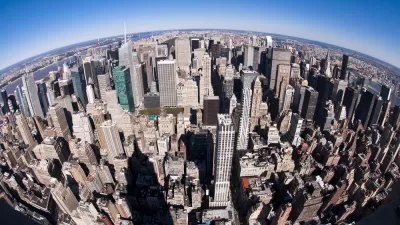
A report by LSE Cities, Cities and the New Climate Economy: The Transformative Role of Global Urbanism [pdf], identifies the economic potential of cities, "resulting from the concentration of people and economic activities in cities that leads to a vibrant market and fertile environment for innovation in ideas, technologies and processes."
The paper focuses on three types of cities—emerging cities, global cities, and mature cities. In total, 468 such cities will account for 60 percent of global GDP growth and over half of energy-related emissions growth between 2012 and 2030, according to the report.
To lock-in growth and minimize costs, the report argues proposes a model of urban development it calls the "3C model": compact, connected and coordinated.
Read the full story: Cities and the New Climate Economy: The Transformative Role of Global Urbanism

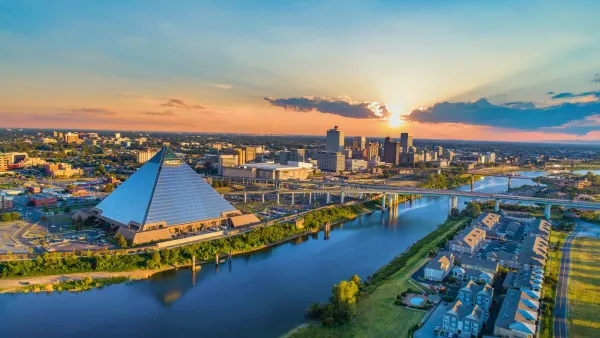
15 US cities and their global namesakes
Hundreds of cities around the United States are named after other places. We tour a few of them.
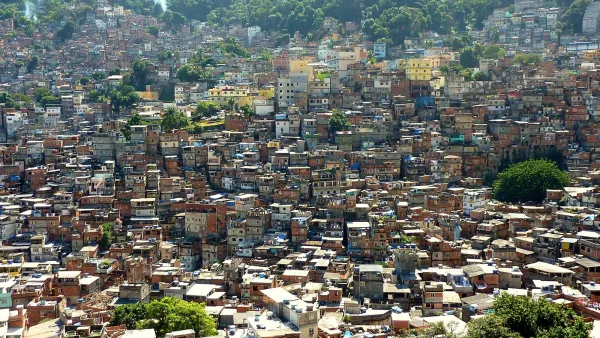
How Many People Live in Cities? The Answer Isn't Obvious
The measures of urbanization vary widely, and the differences pose a challenge in developing policies and plans for cities.
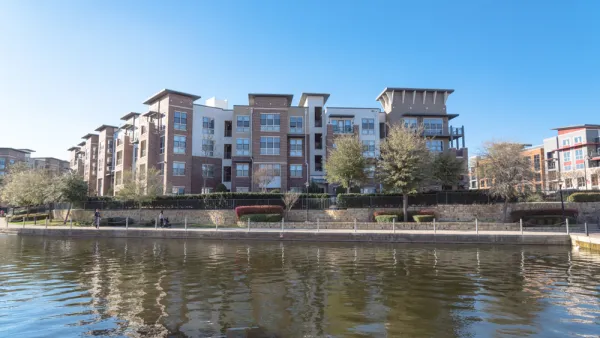
Is the Urban-Suburban Divide Destined to Disappear?
In a new book, Hans Westlund and Tigran Haas argue that the global knowledge economy is radically reshaping urban development. Eventually, they say, it'll render meaningless our present notions of "urban," "suburban," and "rural."

Planetizen Federal Action Tracker
A weekly monitor of how Trump’s orders and actions are impacting planners and planning in America.

Amtrak, CN end decades-long dispute with eight-year agreement
The new operating agreement establishes an updated framework for the companies to work together, including processes to resolve disputes.

Judges permit Denver to divert 77,000 acre feet from the Colorado River for reservoir expansion
Overuse and climate change have caused the Colorado River’s water levels to plummet.

Idaho may see an 18% drop in federal surface transit funding — the largest estimated cut in the US
Transit systems in rural communities are much more reliant on federal funding to provide their services.

How ‘post-disaster gentrification’ alters neighborhoods after natural calamities
After hurricanes, fires or other calamities, the original residents of a community are often replaced by younger, wealthier residents.

Maryland local governments examine if they should have more power to raise property taxes
Maryland’s housing market is out of reach for the majority of moderate-income residents.

FREE Course: Walkable City 1: Why Walkability?
After describing his path towards focusing on walkability as the essence of good planning, Jeff Speck marches through his five principal reasons for making more walkable places.
Reinventing Malls: Planning Alchemy—Turning Gray Fields Into Gold
The course focuses on the opportunities and imperatives that shape reinvention of mall sites.

Harvard University Graduate School of Design
KFH Group Inc.
Greater Baltimore Committee
The Architects Foundation
University of Cincinnati Online
The Pocatello Development Authority
The Urban Renewal Agency of the City of Pocatello