Esri offers a new product called Tapestry Segmentation, which overlays geography with U.S. Census and marketing data.


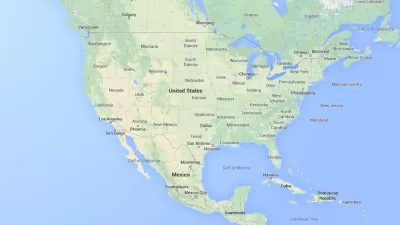
As part of the Tapestry Segmentation project, Esri combined geographic information with demographic data from the Census and marketing data from GfK Mediamark Research & Intelligence. The resulting map is a complex picture of the socioeconomics and demographics, alongside consumer characteristics and attitudes of residents within any given zip code in the United States.
As posted in a The Wall Street Journal article by Rani Molla, from this information, "Esri compiled 67 profiles of American market segments, which include far-ranging attributes, so that companies or governmental organizations can potentially figure out if your neighborhood is more into lattes or latkes."
These profiles range from "Trendsetters" to "International Marketplace" to "American Dreamers"—just to name a few.
Read the full story: What Your Home Address Says About What You’ll Buy

The future of GIS, explored
The pros and cons of ArcGIS Urban, CityEngine, AI assistants and more notes from the 2026 Esri User Conference.

Washington DC Launches Open Data Chatbot
City data is now available literally at the public’s fingertips, no data analytics skills required.

California's Population Might Be Peaking
Heretofore, the question was never if, but when, the nation's most populous state would reach 40 million.

Planetizen Federal Action Tracker
A weekly monitor of how Trump’s orders and actions are impacting planners and planning in America.

California plans to bury El Niño’s downpour
If the state plays its cards right, it may be able to store a billion acre-feet of El Niño’s water in aquifers.

Desperate measures: Advocates weigh draining Lake Powell to fill Colorado River
Draining the reservoir could reduce evaporation losses by a couple hundred thousand acre-feet.

Los Angeles just elected an urban planner as its mayor
Transportation analysts are optimistic that Raman will be more aggressive in addressing transit issues than Bass.

Mamdani’s pied-à-terre tax survives legal challenge
A panel of judges found that the plaintiffs failed to demonstrate injury as a result of New York City's implementation of the tax.

Eastern Nebraska is running out of electricity
Data centers and electrification are straining eastern Nebraska’s grid, throttling economic development.

FREE Course: Walkable City 1: Why Walkability?
After describing his path towards focusing on walkability as the essence of good planning, Jeff Speck marches through his five principal reasons for making more walkable places.
Reinventing Malls: Planning Alchemy—Turning Gray Fields Into Gold
The course focuses on the opportunities and imperatives that shape reinvention of mall sites.

City of Rosemead
Rutgers University, Edward J. Bloustein School of Planning and Public Policy
One Hundred Miles
University of Michigan School for Environment and Sustainability (SEAS)
Hunter College, City University of New York (CUNY)
The Architects Foundation
City of Cambridge
Montrose County
The Pocatello Development Authority