A research study finds evidence of the positive psychological effects of walking and biking to work, joining a quickly growing body of academic research supporting multi-modal lifestyle choices.


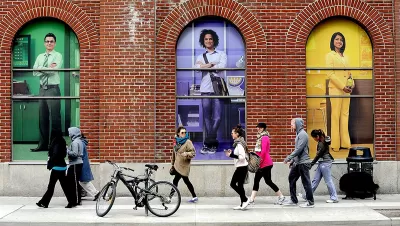
"A new study makes an additional case for at least considering a change in your means of getting to your 9-to-5," according to an article by Abby Phillip.
"The study, published in the journal Preventive Medicine, found that people who went from another mode of transportation to walking or cycling reported improvements in their well-being — specifically, they felt that they were able to concentrate more at work and were under less strain that when they traveled by car."
Read the full story: The case for walking or cycling (or taking the train) to work

Study: Uber and Lyft Clog Roads, Steal Transit Riders
The findings of a recent study reveals the effects of transportation network companies to be the enemy of all forms of alternative transportation—far from the urban savior some hope they'll be.
Study: Transit Not a Panacea for Walkability After All
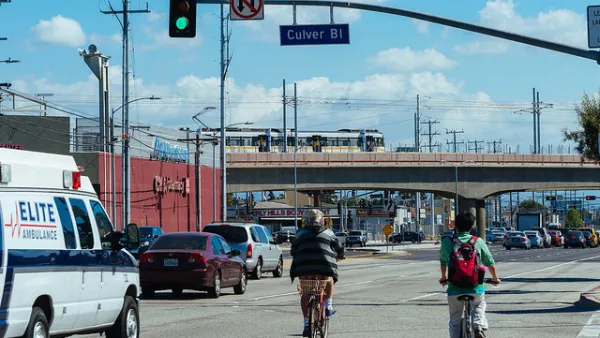
One of the key assumptions of a new partnership between the planning and public health professions is that transit encourages more active mobility than possible with a car-centric lifestyle. But new research casts doubt on those assumptions.
Study: Motivations for Active Transportation Vary by Income Levels
The motivations to walk or bike vary greatly by income levels, according to a new study from researchers at the University of Washington. The wealthy, as it turns out, are the outliers.

Planetizen Federal Action Tracker
A weekly monitor of how Trump’s orders and actions are impacting planners and planning in America.

Eastern Nebraska is running out of electricity
Data centers and electrification are straining eastern Nebraska’s grid, throttling economic development.

Washington state to charge fee to drivers with fuel-efficient cars
Revenue from the fee will go towards supporting the state’s highways.

Instead of building new housing, LA developers are turning mansions into mega-mansions
In the richest areas, the number of houses valued at $30 million with demolition permits has skyrocketed since 2018.

Illinois considers spending $1 billion in taxpayer money on data center
A quantum computing campus and data center are currently under construction in Chicago.

As development costs rise, Boston moves to lessen affordable housing requirements
The Boston Zoning Commission and the City Council still need to approve Boston Mayor Michelle Wu’s proposed changes

FREE Course: Walkable City 1: Why Walkability?
After describing his path towards focusing on walkability as the essence of good planning, Jeff Speck marches through his five principal reasons for making more walkable places.
Reinventing Malls: Planning Alchemy—Turning Gray Fields Into Gold
The course focuses on the opportunities and imperatives that shape reinvention of mall sites.

City of Charlotte
City of Rosemead
Rutgers University, Edward J. Bloustein School of Planning and Public Policy
University of Michigan School for Environment and Sustainability (SEAS)
Hunter College, City University of New York (CUNY)
The Architects Foundation
University District Partnership
City of Cambridge
The Pocatello Development Authority