An article on PlannersWeb details the considerations relevant to the needs of people over 65, who are growing more multi-modal and car-independent every year.


“As people get older driving patterns change either by choice or necessity. With the age boom upon us, the number of older non-drivers (65+) increased by more than 1.1 million between 2001 and 2009. There are now 8 million older non-drivers in the U.S., comprising 21 percent of the population aged 65 and older,” reports Jennifer Wallace-Brodeur.
Wallace-Brodeur goes on to describe a number of the unique considerations of walkability, linking land use and transportation, and complete streets—as they apply to the populations of older residents who might not have given up their cars by choice and for who engagement is a matter of health and well-being.
Following Wallace-Brodeur’s analysis, Stuart Anderson provides a response differentiating the needs of aging citizens with the needs of young adults.
Read the full story: Transportation That Works for All Walks of Life
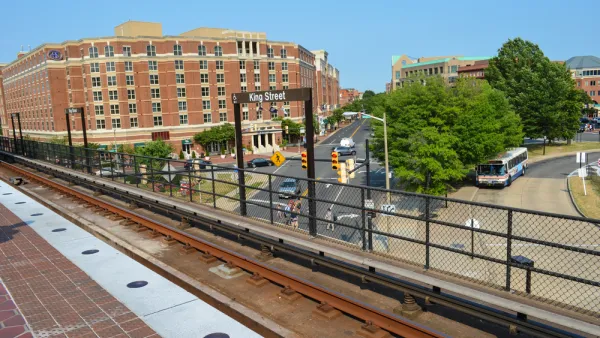
Bus Rapid Transit, Bike Lanes Under Consideration in Alexandria, Virginia
A complete streets makeover is taking shape for Duke Street in Alexandria.
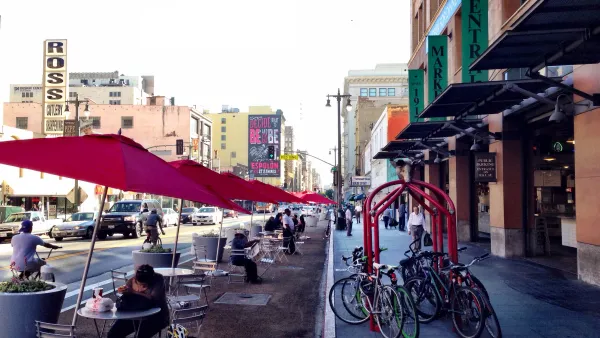
Auto-Centric City Dichotomy: More Mobility Options and More Risk
As cities strive to improve mobility for all users, the existing auto paradigm is slow to change
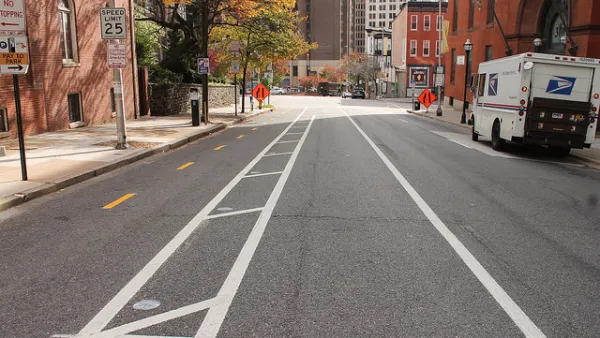
Baltimore Approves Complete Streets Ordinance
Complete streets supporters see multiple benefits from prioritizing non-automobile users of the public right of way.

Planetizen Federal Action Tracker
A weekly monitor of how Trump’s orders and actions are impacting planners and planning in America.

California plans to bury El Niño’s downpour
If the state plays its cards right, it may be able to store a billion acre-feet of El Niño’s water in aquifers.

Desperate measures: Advocates weigh draining Lake Powell to fill Colorado River
Draining the reservoir could reduce evaporation losses by a couple hundred thousand acre-feet.

US buildings threatened, destroyed by fires set to triple by 2060
Researchers found a high fire risk for socioeconomically vulnerable neighborhoods in the American West.

LA residents may be allowed to paint their own crosswalks
Councilwoman Katy Yaroslavsky put out a motion instructing the Los Angeles Department of Public Transportation to study the feasibility of allowing volunteers to paint crosswalks.

Dallas moves to overhaul its zoning code
The city's zoning reform will allow more multi-family and mixed-use developments.

FREE Course: Walkable City 1: Why Walkability?
After describing his path towards focusing on walkability as the essence of good planning, Jeff Speck marches through his five principal reasons for making more walkable places.
Reinventing Malls: Planning Alchemy—Turning Gray Fields Into Gold
The course focuses on the opportunities and imperatives that shape reinvention of mall sites.

City of Rosemead
Rutgers University, Edward J. Bloustein School of Planning and Public Policy
One Hundred Miles
Hunter College, City University of New York (CUNY)
The Architects Foundation
University of Cincinnati Online
City of Cambridge
Montrose County
The Pocatello Development Authority