To forge a coalition for urban places, let’s start by trumpeting an important fact: The value of cities and towns transcends simple arithmetic.


Cities and towns have always been more than the sum of their parts. Cities, when they’re functioning properly, produce great culture, boost innovation, and generate economic activity.
At their best, cities and towns can be inspirational. As Enrique Penalosa, the dynamic former mayor of Bogota, Columbia, says, “Great public space is a kind of magical good. It never ceases to yield happiness. It is almost happiness itself.”
Communities thrive because they attract people of talent, who in turn inspire others. When settlements are assembled in meaningful ways, they can thrive for centuries — millennia, even.
The synergy of people coming together accounts for much of that outcome, and the built environment can either strengthen that synergy or stop it cold.
Our ancestors across North America were good at building places of synergy. Even ordinary communities were built to bring people together. At best, builders and architects advanced civic art to a high level — creating those places that Penalosa described.
Read the full story: New Urban Math

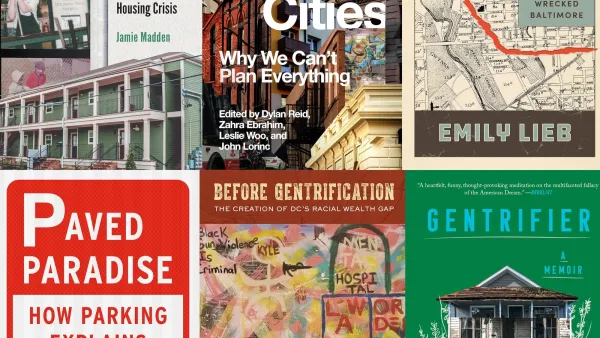
10 great urban planning summer reads
Wherever you're going (or staying) this summer, here are some suggestions for books to bring along.
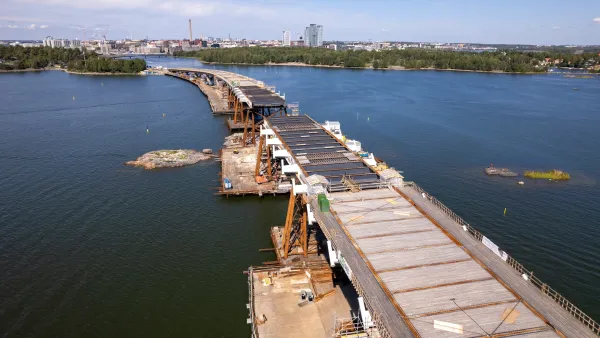
April must-reads: Top 10 articles from last month
The world's longest car-free bridge opens in Finland, Amtrak's new Mardi Gras line shatters ridership predictions, and Bay Area commuters could lose a third of Caltrain stations.
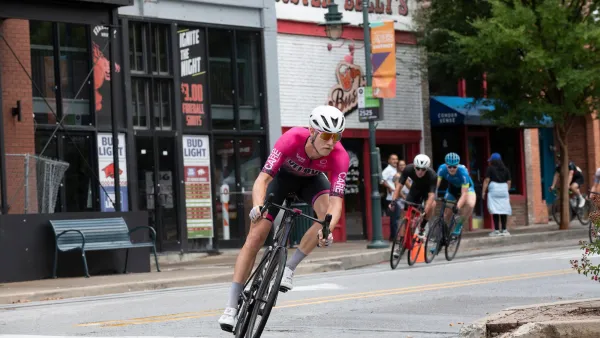
Northwest Arkansas grapples with growth as it prepares to host New Urbanism gathering
A compelling story of a fast-growing, polycentric region grappling with identity and affordability, Susan Henderson reframes CNU 34 as a hands-on workshop, inviting planners to explore Northwest Arkansas as it decides what it will become.

Planetizen Federal Action Tracker
A weekly monitor of how Trump’s orders and actions are impacting planners and planning in America.
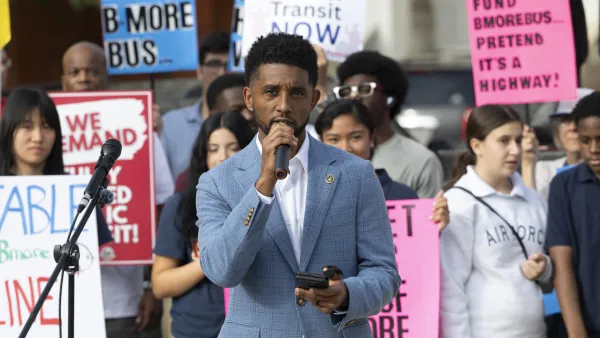
‘Going backwards:’ Baltimore mayor, students rally against state's transit funding plan
Maryland's proposed six-year plan provides no funding for Baltimore’s BMORE bus program and reduces its road maintenance funding.
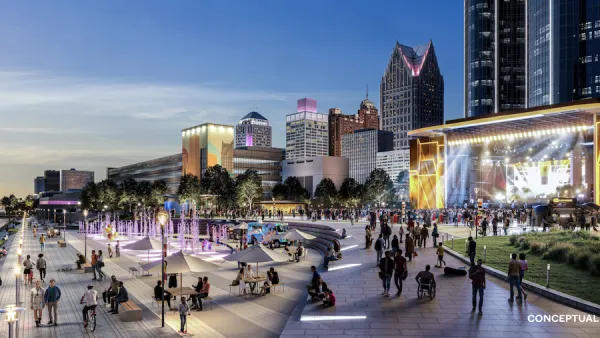
Detroit to transform waterfront with $2.2 billion investment
Developers will convert about 18 acres of unused parking lot space into civic spaces.

U.S.-Iran war may have ‘devastating’ impact on cost to warm homes
Vermont and Maine residents may see a 76% increase in the cost of warming their homes this winter.

Senate bill would ‘overhaul’ environmental permitting laws
Under the proposed act, government agencies would also not be able to suspend or rescind permits after granting them.

Exemption applications for NYC’s pied-à-terre tax see 55% success rate
The city sent nearly 40% of its initial pied-à-terre tax warnings erroneously.

FREE Course: Walkable City 1: Why Walkability?
After describing his path towards focusing on walkability as the essence of good planning, Jeff Speck marches through his five principal reasons for making more walkable places.
Reinventing Malls: Planning Alchemy—Turning Gray Fields Into Gold
The course focuses on the opportunities and imperatives that shape reinvention of mall sites.

One Hundred Miles
County of Mendocino
planning NEXT
The Architects Foundation
University of Cincinnati Online
Montrose County
Northern Illinois Transit Authority (NITA)
The Pocatello Development Authority