Five years after it opened, it looks like China's bet on high-speed rail is paying off. The system has increased mobility and worker productivity and stimulated development in areas near stations. The country will continue to expand the system.


The ascent of China's 5,900-mile high-speed rail network is breathtaking. "Just five years after China’s high-speed rail system opened, it is carrying nearly twice as many passengers each month as the country’s domestic airline industry," writes Keith Bradsher. "With traffic growing 28 percent a year for the last several years, China’s high-speed rail network will handle more passengers by early next year than the 54 million people a month who board domestic flights in the United States."
"Economists and transportation experts cite it as one reason for China’s continued economic growth when other emerging economies are faltering," he adds. "But it has not been without costs — high debt, many people relocated and a deadly accident."
"The high-speed rail lines have, without a doubt, transformed China, often in unexpected ways."
Read the full story: Speedy Trains Transform China

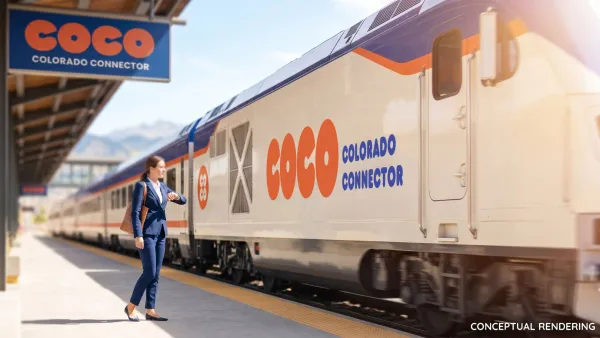
Colorado unveils fox mascot, branding for 'CoCo' high-speed rail
The new Denver-to-Fort Collins train is expected to begin service in 2029.
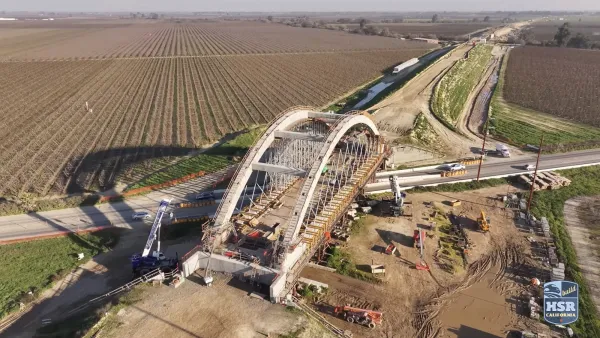
California High-Speed Rail wants to leverage data center revenue to fund trains
By positioning the rail line as a tech and renewable energy corridor, the agency hopes to increase revenue opportunities.

March Must-Reads: Top 10 Articles From Last Month
Seattle may roll back a development fee as housing permits plummet, an ambitious Google-led project in the heart of San Jose goes sideways, and a list of sci-fi books to feed your futurist dreams.

Planetizen Federal Action Tracker
A weekly monitor of how Trump’s orders and actions are impacting planners and planning in America.

Amtrak, CN end decades-long dispute with eight-year agreement
The new operating agreement establishes an updated framework for the companies to work together, including processes to resolve disputes.

Northwest rail fans eager for Sept. 30 debut of Amtrak’s Airo fleet
Get ready for that new train smell and more seats. But they won’t go faster or run more frequently on the Cascades route in Washington and Oregon.

St. Louis Metro to test if single-car trains can reduce operating costs, maintain rider satisfaction
The pilot program will run from October to spring 2027, and begin with one single-car train operating on Metrolink’s Red and Blue lines.

Pennsylvania is building data centers in abandoned mines
Housing data centers in mines provides an alternative to destroying local forests and may spare residents from data centers’ noise and air pollution.

If Corpus Christi can’t revive desalination plant project, it may owe Texas $235 million
Earlier this month, city officials declined to pursue developing the plant for the second time in a year.

FREE Course: Walkable City 1: Why Walkability?
After describing his path towards focusing on walkability as the essence of good planning, Jeff Speck marches through his five principal reasons for making more walkable places.
Reinventing Malls: Planning Alchemy—Turning Gray Fields Into Gold
The course focuses on the opportunities and imperatives that shape reinvention of mall sites.

City of Thousand Oaks
City of Wisconsin Rapids
Harvard University Graduate School of Design
The Architects Foundation
University of Cincinnati Online
The Pocatello Development Authority
The Urban Renewal Agency of the City of Pocatello