A new study from the Pew Research Center looks at the way digital technology is changing civic engagement. Nick Judd digs into the results and pulls out four intriguing trends.


"The Pew Internet and American Life Project today released the results of a broad survey about civic life and the Internet. There are some obvious findings: People who are better educated and make more money are more likely to be politically active, for instance, and, as we've known for a while, people who find out about a political topic online can be motivated to seek out more information."
"But buried beneath the survey's top-line results are some surprising, and still statistically significant, results — things that tell us about the role of the Internet in politics that we did not already know," says Judd, who details four intruiging trends:
- Younger people are more engaged than senior citizens.
- Slacktivists are a minority.
- Lines of color, education and class in civic life extend online.
- The "Occupy" target market is still active.
Read the full story: Four Surprising Things About Civics and Politics in America
5 Innovative Tech Solutions for Civic Disengagement
Communities have a growing number of technological resources available to face the challenges posed by a growing population and a resource constrained world.
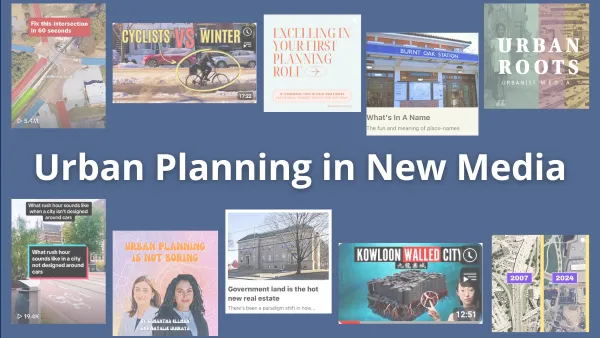
Urban Planning Creators You Should Know in 2024
Whether you’re a TikTok enthusiast or a Substack reader, you can find plenty of valuable and engaging urban planning content in the new media landscape.

Leveraging Social Media for Citizen Engagement in Urban Planning
Discover how urban planners can use social media to enhance citizen engagement, featuring strategies for interactive communication and community involvement in urban development projects.

Planetizen Federal Action Tracker
A weekly monitor of how Trump’s orders and actions are impacting planners and planning in America.

California plans to bury El Niño’s downpour
If the state plays its cards right, it may be able to store a billion acre-feet of El Niño’s water in aquifers.

Desperate measures: Advocates weigh draining Lake Powell to fill Colorado River
Draining the reservoir could reduce evaporation losses by a couple hundred thousand acre-feet.

Chicago voters approve permanent festival grounds, penalty for vacant property owners
Currently, major summer and fall festivals take over public parks for weeks at a time, drawing criticism from nearby residents

NYC votes to cut outdoor dining red tape, speed up permitting
New York City also voted to allow the Department of Transportation to begin work on urgent projects before notifying elected officials.

California appears to reject Prop. 45
The proposition would have expanded the projects that qualify for a streamlined environmental review, effectively paring down the California Environmental Quality Act.

FREE Course: Walkable City 1: Why Walkability?
After describing his path towards focusing on walkability as the essence of good planning, Jeff Speck marches through his five principal reasons for making more walkable places.
Reinventing Malls: Planning Alchemy—Turning Gray Fields Into Gold
The course focuses on the opportunities and imperatives that shape reinvention of mall sites.

City of Rosemead
Rutgers University, Edward J. Bloustein School of Planning and Public Policy
One Hundred Miles
Hunter College, City University of New York (CUNY)
The Architects Foundation
University of Cincinnati Online
City of Cambridge
Montrose County
The Pocatello Development Authority