Can urban form help address the loneliness that so often accompanies aging? In a new blog post, Hazel Borys examines some remedies for severed connections.


"On my last trip to see my aging parents, I was struck again by the loneliness that comes from diminished connections. They are both inspiring people, and in their younger years were notably adept at making connections with and for others. And at helping people see the good in each other, in themselves, and in the communities they call home."
"However, over time those connections are slowly dissolving. While there’s little to be done at this stage, this experience reaffirms the expediency of staying connected as long as we can to all the networks – internal and external – that make for wellness."
Hazel Borys goes on to talk about some urban design and land use law modifications that reattach some of these severed connections, including enabling cottage courts, pocket neighborhoods, and general walkability that can combat social isolation. Once places recognize the need for some of these fixes, a number of pitfalls often stand in the way of getting local laws to implement healthy places. Borys discusses 10 of the most common.
Read the full story: Connections, Community, and the Science of Loneliness
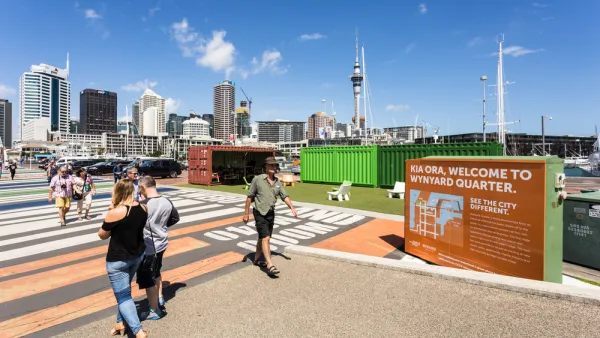
Code Score: A New Aid for Aligning Policy and Vision With Outcomes
A compendium of benefits of walkable urban places, put together by Hazel Borys and Kaid Benfield.
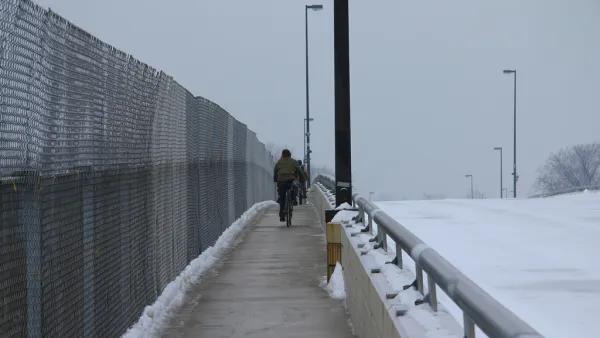
Walkable Winter Cities: Feasibility While Freezing
"It's too cold to walk here" is often the response to the subject of livability in northern climes. Hazel Borys hails from the third coldest city of its size on earth and talks walkable winter cities.

3 Good Reasons SimCity Should Adopt a Form-Based Code
And an update from Codes Study about the 600 places that really are upping their game with form-based codes.

Planetizen Federal Action Tracker
A weekly monitor of how Trump’s orders and actions are impacting planners and planning in America.

Eastern Nebraska is running out of electricity
Data centers and electrification are straining eastern Nebraska’s grid, throttling economic development.

Move over, LA: St. Louis gears up for Olympics, invests millions in downtown redevelopment
The Missouri city will host the 2028 Olympic soccer group stage and knockout matches.

Dallas releases zoning code overhaul to officials
The drafted overhaul is over 400 pages long.

NYC renovations for dangerous, ‘mercilessly crammed’ street delayed until 2027
Construction was supposed to begin this fall.

San Diego’s Midway Rising project gets greenlight from city council
The project looks to become the largest affordable housing development in California's history.

FREE Course: Walkable City 1: Why Walkability?
After describing his path towards focusing on walkability as the essence of good planning, Jeff Speck marches through his five principal reasons for making more walkable places.
Reinventing Malls: Planning Alchemy—Turning Gray Fields Into Gold
The course focuses on the opportunities and imperatives that shape reinvention of mall sites.

City of Rosemead
Rutgers University, Edward J. Bloustein School of Planning and Public Policy
One Hundred Miles
University of Michigan School for Environment and Sustainability (SEAS)
Hunter College, City University of New York (CUNY)
The Architects Foundation
City of Cambridge
The Pocatello Development Authority
The Urban Renewal Agency of the City of Pocatello