Across the country, even in metro areas more accustomed to single-family sprawl, multi-family housing is driving the residential construction recovery, report Shaila Dewan and Nelson D. Schwartz.


"As residential building recovers from a near standstill after the housing crisis, much of the momentum is coming not from subdivisions with green lawns and two-car garages but from rental apartments," say Dewan and Schwartz. "Multifamily construction nationwide is two-thirds of the way back to its prerecession peak, while single-family home construction is still only about a third of the way back to its peak, said David Crowe, the chief economist of the National Association of Home Builders."
Led by cities across the South and West such as Houston, Denver, Oakland, Seattle, Miami and Charlotte, builders are responding to pent up demand by young people moving out of their parents' homes, unleashed by an improving job market.
“The demand for building is all over the country, really,” said Ric Campo, Camden Property’s chairman and chief executive. “We’re seeing higher rents, faster lease-ups, lower construction costs — everything you want to see. Part of it is there’s just a pent-up demand for new product because we didn’t build anything during the downturn.”
While some fear the current surge could lead to overbuilding, "Andy McCulloch, the head of residential research at Green Street Advisors, a real estate analysis firm, said it was a misconception that growing momentum in the single-family housing market would hurt the rental market."
“If I was an apartment landlord, the only thing that would really freak me out from the buying side is the return of easy credit,” he said. “But that doesn’t seem to be coming back anytime soon.”
Read the full story: Soaring Rents Drive a Boom in Apartments
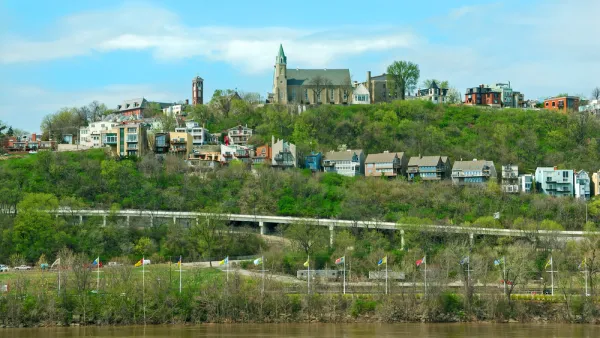
Cincinnati Beats Wall Street Investors on the Sale of 195 Homes
The Port of Greater Cincinnati Development Authority is making sure that large, institutional investors won't continue to corner the rental housing market in Hamilton County.
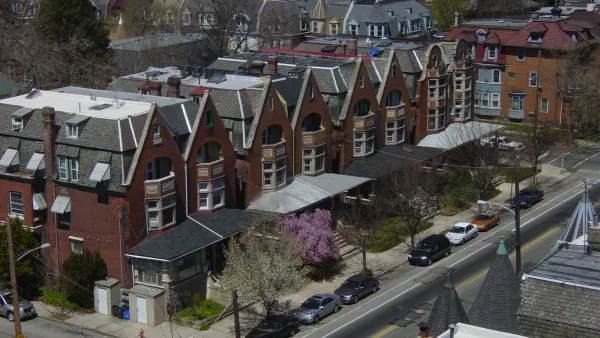
Philadelphia on Track to Build Record Number of Apartments in 2022
A researcher from the Lindy Institute for Urban Innovation at Drexel University tells a tale of two housing markets—rental and for-sale—in the City of Brotherly Love.
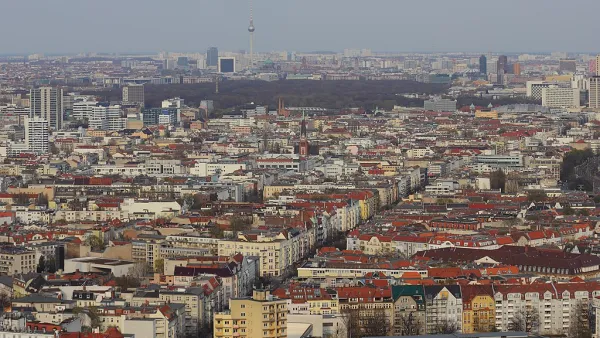
Berlin Voters Want to Expropriate 240,000 Apartments
A potentially watershed vote in the German capital.

Planetizen Federal Action Tracker
A weekly monitor of how Trump’s orders and actions are impacting planners and planning in America.

Eastern Nebraska is running out of electricity
Data centers and electrification are straining eastern Nebraska’s grid, throttling economic development.

Move over, LA: St. Louis gears up for Olympics, invests millions in downtown redevelopment
The Missouri city will host the 2028 Olympic soccer group stage and knockout matches.

Dallas releases zoning code overhaul to officials
The drafted overhaul is over 400 pages long.

NYC renovations for dangerous, ‘mercilessly crammed’ street delayed until 2027
Construction was supposed to begin this fall.

San Diego’s Midway Rising project gets greenlight from city council
The project looks to become the largest affordable housing development in California's history.

FREE Course: Walkable City 1: Why Walkability?
After describing his path towards focusing on walkability as the essence of good planning, Jeff Speck marches through his five principal reasons for making more walkable places.
Reinventing Malls: Planning Alchemy—Turning Gray Fields Into Gold
The course focuses on the opportunities and imperatives that shape reinvention of mall sites.

City of Rosemead
Rutgers University, Edward J. Bloustein School of Planning and Public Policy
One Hundred Miles
University of Michigan School for Environment and Sustainability (SEAS)
Hunter College, City University of New York (CUNY)
The Architects Foundation
City of Cambridge
The Pocatello Development Authority
The Urban Renewal Agency of the City of Pocatello