Zak Stone spotlights a new app being tested in Germany that can predict and prevent traffic jams, and promises to reduce CO2 emissions in the process.


The new app for Windows Phones, called Greenway,
works by plugging "its users' locations,
destinations, and speeds into an algorithm to figure out where and when
traffic jams are likely to occur. Then, it provides a route to steer
cars away from those roads. The route is called, appopriately [sic], the
"Greenway," and it's optimized for traffic, time, and the amount of gas
used based on data about where other drivers are headed at the same
time."
According to Stone, "One of the more interesting parts of the app is the business model. The
app is free to use, but users who select the Greenway route will pay a
small fee for the insider information: five percent of the cost of fuel
they'll save by taking the Greenway, but never more than 30 cents per
route. If it takes users longer than it should to get to their
desintation [sic], the information is on the house."
There is one catch, however: "The founders estimate that for the app to truly be effective, they'd
need to get at least 10 percent of a city's drivers on board."
Read the full story: An App that Sees and Prevents Future Traffic Jams


New Trail Project Enhances Safety and Access to Rocky Flats National Wildlife Refuge
Jefferson County is improving safe access to Rocky Flats National Wildlife Refuge with new trails, a bridge, and signage, as part of the Rocky Mountain Greenway project, ensuring environmental safety and educating visitors about the site’s history.
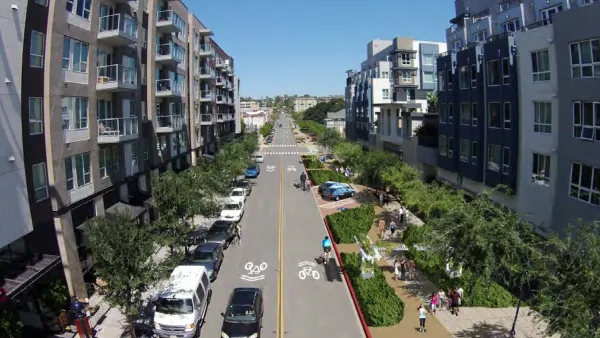
San Diego Swaps Parking Lane for Kid-Friendly Mini Park
The block-long greenway will feature interactive play equipment and landscaping.
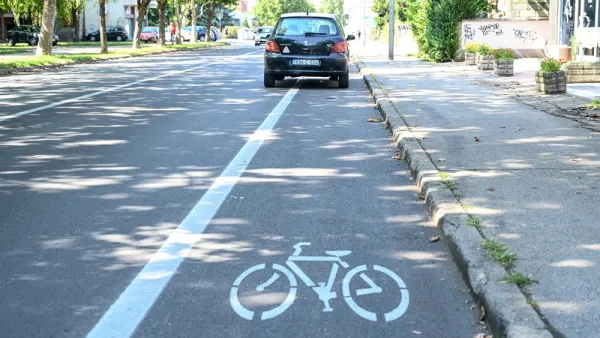
New App Pays Users to Report Illegally Parked Cars
A Swedish company is leveraging the power of crowdsourcing and the gig economy to enforce parking laws.

Planetizen Federal Action Tracker
A weekly monitor of how Trump’s orders and actions are impacting planners and planning in America.

Amtrak, CN end decades-long dispute with eight-year agreement
The new operating agreement establishes an updated framework for the companies to work together, including processes to resolve disputes.

Northwest rail fans eager for Sept. 30 debut of Amtrak’s Airo fleet
Get ready for that new train smell and more seats. But they won’t go faster or run more frequently on the Cascades route in Washington and Oregon.

St. Louis Metro to test if single-car trains can reduce operating costs, maintain rider satisfaction
The pilot program will run from October to spring 2027, and begin with one single-car train operating on Metrolink’s Red and Blue lines.

Pennsylvania is building data centers in abandoned mines
Housing data centers in mines provides an alternative to destroying local forests and may spare residents from data centers’ noise and air pollution.

If Corpus Christi can’t revive desalination plant project, it may owe Texas $235 million
Earlier this month, city officials declined to pursue developing the plant for the second time in a year.

FREE Course: Walkable City 1: Why Walkability?
After describing his path towards focusing on walkability as the essence of good planning, Jeff Speck marches through his five principal reasons for making more walkable places.
Reinventing Malls: Planning Alchemy—Turning Gray Fields Into Gold
The course focuses on the opportunities and imperatives that shape reinvention of mall sites.

City of Thousand Oaks
City of Wisconsin Rapids
Harvard University Graduate School of Design
The Architects Foundation
University of Cincinnati Online
The Pocatello Development Authority
The Urban Renewal Agency of the City of Pocatello