With mockumentary-style coverage, NPR's John Burnett imagines the trials of a state's secession.


Texas governor and former presidential candidate, Rick Perry, has been known to suggest that independence from the United States might be a favorable option. NPR correspondent, John Burnett, recruits scholars, diplomats and journalists to play along with a thought experiment.
"Texas: Now it is a whole other country - and it's open for business ... C'mon over. Be part of our vibrant free-market nation," a radio ad by the Texas Association of Business might tout. Low taxes, free trade and minimal regulations would be promoted to entice business to world's 15th largest economy.
Political scientist, Cal Jillson, describes foreign-owned plants populating the Texas job market. Immigration reform might allow immigrant workers to travel freely between countries for jobs. Burnett points out that "Texas might see itself as culturally akin to its former fatherland, but as time goes on, the nation's destiny would be determined by its genetic ties to the south."
Within a single generation Texas could easily shift to a predominantly Hispanic demographic, resembling a new Latin American nation more than a rogue frontier cowboy state.
Thanks to Jessica Brent
Read the full story: Lone Star State of Mind


How ‘Opportunity Hoarding’ Harms Communities
Wealthy communities are incorporating their own cities, draining tax revenue and resources away from surrounding neighborhoods.
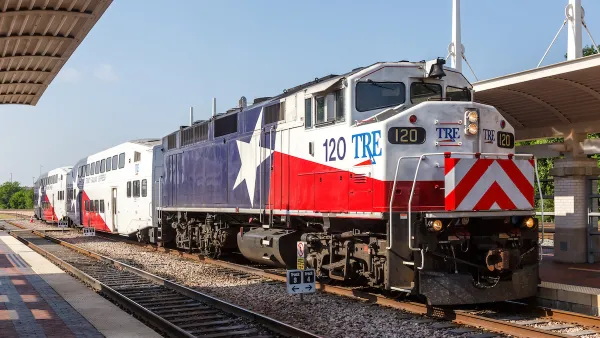
Revitalizing Texas: Sustainable Rail Solutions
An argument for why investing in trains is the key to sustainable growth and economic success in the Lone Star State.

The Nation's Most Advanced Secessionist Movement
Legislation supporting the Greater Idaho Movement, which would annex over half of neighboring Oregon, has advanced in the Idaho legislature.

Planetizen Federal Action Tracker
A weekly monitor of how Trump’s orders and actions are impacting planners and planning in America.

The state-sanctioned urbicide of Austin
People don’t kill cities. Freeways do.

Colorado’s Largest Data Center Could Rise Next to Homes — Without a Public Hearing
The proposed campus would consume 11 times the power of Denver International Airport; as it has across the country, opposition mounts.
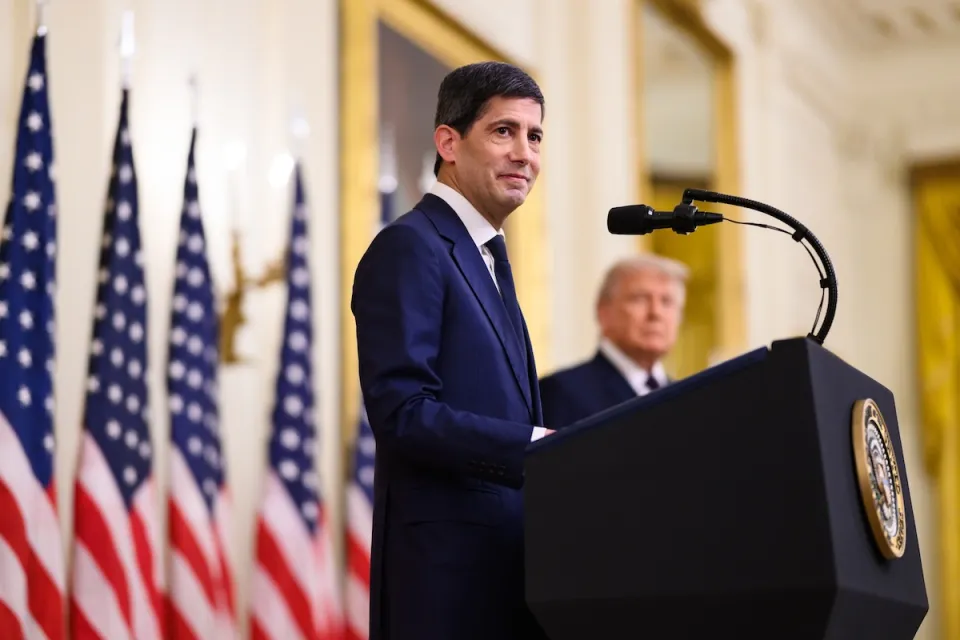
Raised interest rates may kill financially vulnerable construction projects
The chief economist at ConstructConnect warns that if construction project owners are negatively impacted by the raised rates, it could result in delayed payments to contractors.
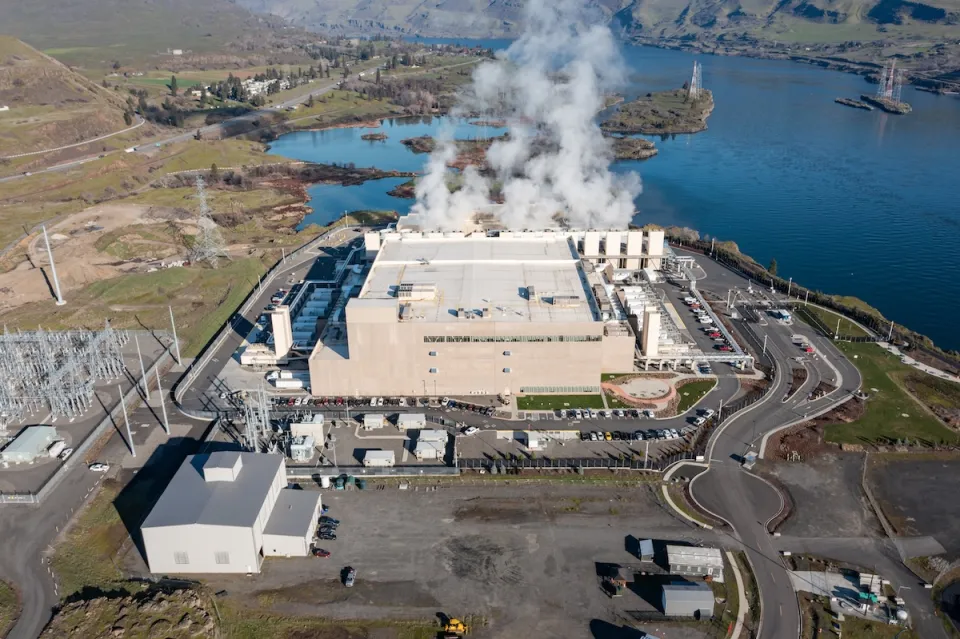
Data centers are consuming nearly 25% of Oregon’s power
The state has 111 data centers, with 32 more either planned or under construction.

A third of Texas cities must update their zoning codes to comply with new housing law
Texas municipalities are now required to allow manufactured housing in at least one residential zoning district.

FREE Course: Walkable City 1: Why Walkability?
After describing his path towards focusing on walkability as the essence of good planning, Jeff Speck marches through his five principal reasons for making more walkable places.
Reinventing Malls: Planning Alchemy—Turning Gray Fields Into Gold
The course focuses on the opportunities and imperatives that shape reinvention of mall sites.

Greater Baltimore Committee
Eagle County Government
Harvard University Graduate School of Design
The Architects Foundation
University of Cincinnati Online
The Pocatello Development Authority
The Urban Renewal Agency of the City of Pocatello
Journal of the American Planning Association